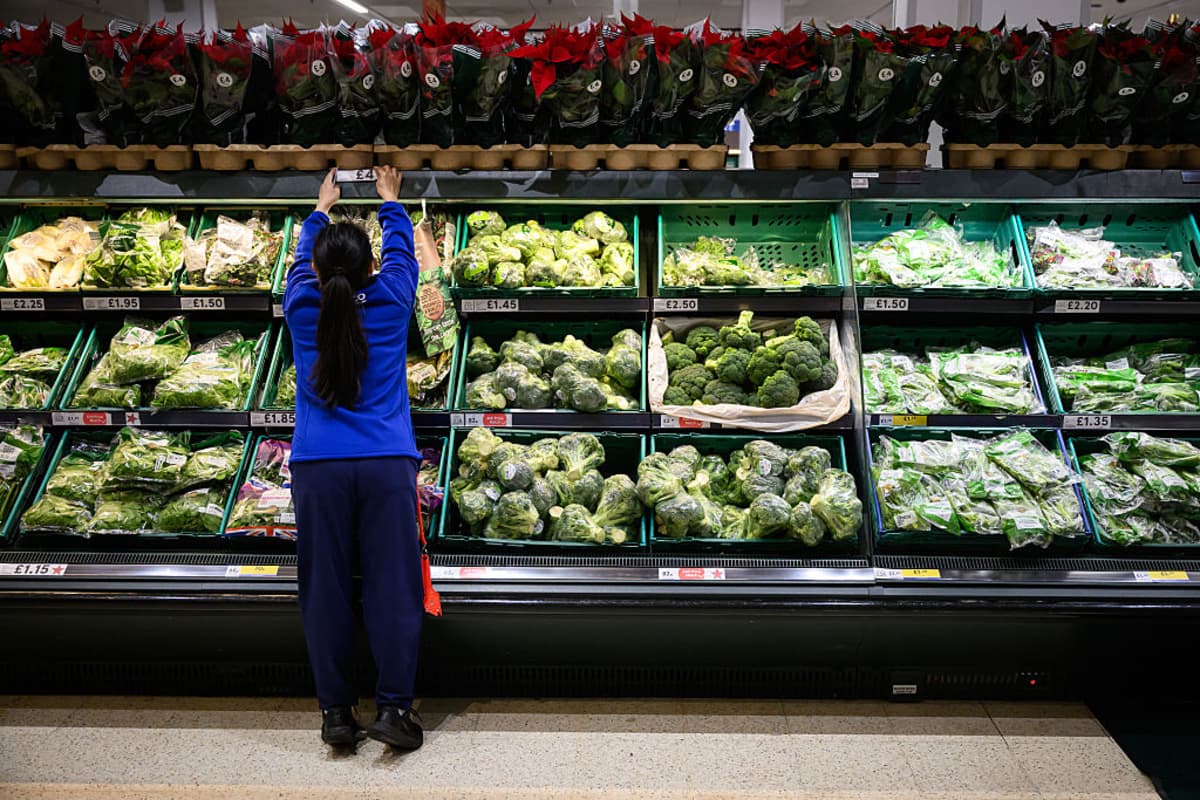
Supermarket Inflation: Falling Oil Prices Help Keep Costs Down at the Till

Why It Matters
The near‑flat shop‑price inflation signals short‑term consumer relief but masks volatility that could erupt if input‑cost pressures rise, affecting retailer margins and household budgets.
Key Takeaways
- •Rapeseed oil fell 14% between April and May
- •Tomatoes and broccoli prices rose over 12%
- •Sainsbury’s changed prices on only eight items
- •Waitrose adjusted nearly 40 items, half up half down
- •Overall basket price change stayed around zero
Pulse Analysis
The latest City AM price audit provides a granular snapshot of UK grocery pricing dynamics as the market digests lower global oil costs. While crude oil prices have surged due to geopolitical tensions, the cheaper rapeseed oil – a key cooking staple – has slipped 14 % year‑on‑year, directly trimming household food bills. This decline, however, is uneven; fresh produce such as tomatoes and tenderstem broccoli posted double‑digit increases, reflecting seasonal supply constraints and higher freight costs. Retailers’ pricing strategies diverge, with Sainsbury’s adopting a cautious approach, tweaking only eight SKUs, whereas Waitrose engaged in aggressive price‑matching, adjusting nearly 40 items in a single month.
Understanding these micro‑level movements is crucial for analysts forecasting broader inflation trends. The Bank of England’s consumer price index (CPI) relies on a basket of goods that may not capture the rapid, category‑specific shifts seen in supermarkets. If cooking oil and other low‑margin staples continue to fall, they could mask underlying price pressures in higher‑margin categories like premium meats and alcoholic beverages, potentially delaying policy responses. Moreover, retailers with tighter margins may absorb cost spikes, risking profit compression unless they can pass on expenses without alienating price‑sensitive shoppers.
Looking ahead, the calm at the checkout could be temporary. Global commodity markets remain volatile, and any rebound in input costs – from fertilizer to transport fuel – could quickly translate into higher shelf prices. Consumers, especially those with tighter budgets, will watch for sustained price hikes in essential items. For investors, the mixed price signals suggest monitoring retailer earnings reports for margin trends and keeping an eye on inflation‑linked monetary policy decisions that could reshape consumer spending power.
Supermarket inflation: Falling oil prices help keep costs down at the till
Comments
Want to join the conversation?
Loading comments...