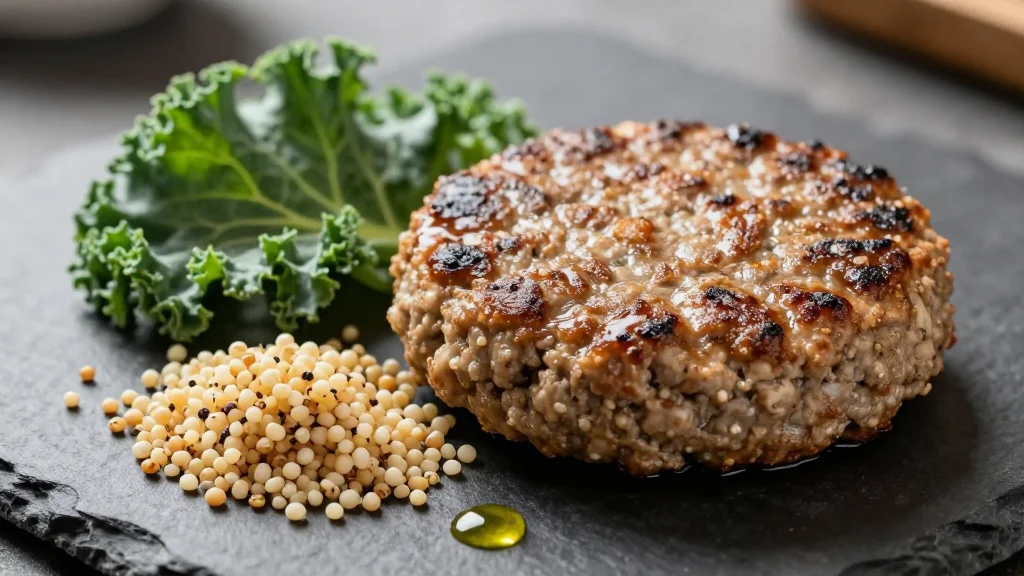
Swapping Processed Meat with Plant-Based Alternatives Boosts Health, Show Two Studies
Why It Matters
The findings demonstrate a viable nutritional pathway to lower chronic‑disease risk while supporting a transition to more sustainable food systems, but affordability and consistent fortification are critical for widespread adoption.
Key Takeaways
- •Swapping meat for plant‑based analogues raises fibre 4‑6% and cuts saturated fat
- •UK studies show plant‑based meats meet “healthy” profile despite ultra‑processing
- •Fortification gaps persist; only ~75% of Dutch alternatives are micronutrient‑enriched
- •Price parity improving, yet plant‑based meat remains generally pricier than animal meat
- •Experts urge policy to ensure affordable, fortified plant‑based meat replaces processed meat
Pulse Analysis
The health debate around ultra‑processed foods has often cast plant‑based meat in a negative light, despite its lower saturated‑fat and cholesterol content compared with traditional processed meats. The new UK research cuts through the noise by quantifying the dietary shift: a modest swap can lift fibre intake by up to six percent and trim saturated fat by a similar margin. In a country where 81% of adults exceed recommended saturated‑fat levels and 96% fall short on fibre, such changes could translate into measurable reductions in heart disease, type‑2 diabetes, and certain cancers.
Beyond macro‑nutrients, the studies underscore the importance of micronutrient fortification. While plant‑based analogues already outperform many ultra‑processed snacks on salt and sugar, they vary widely in added vitamins and minerals such as iodine, calcium, iron, and B12. The Dutch voluntary standards, which have driven more than three‑quarters of local alternatives to become fortified, offer a blueprint for broader regulatory action. Consistent fortification would not only close the nutritional gap with animal products but also reinforce plant‑based foods as reliable protein sources in public‑health guidelines.
Market dynamics are beginning to catch up with the science. Price parity is improving, with several vegan meat products now matching or undercutting conventional meat prices, yet the average cost remains higher, limiting mass‑market penetration. Industry leaders and policymakers are urged to incentivize affordable, fortified plant‑based options, positioning them as a transitional bridge toward net‑zero food systems. As GLP‑1 therapies rise and consumers seek fibre‑rich diets, the convergence of health, sustainability, and economics could accelerate the mainstream adoption of plant‑based meat alternatives.
Swapping Processed Meat with Plant-Based Alternatives Boosts Health, Show Two Studies
Comments
Want to join the conversation?
Loading comments...