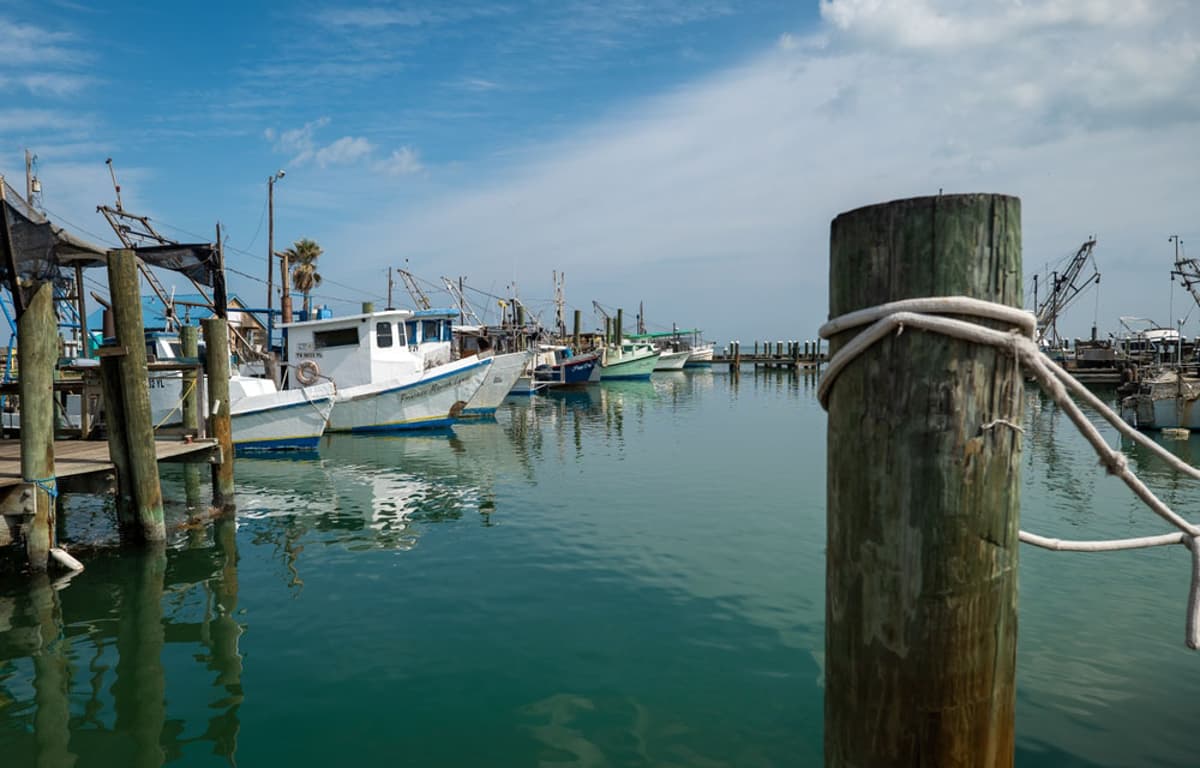
Texas Shrimpers Ask Trump Administration for More H-2B Visas Amid Labor Shortage
Why It Matters
The shrimp fleet’s labor crunch threatens Gulf coastal economies and national seafood supply, highlighting the limits of current temporary‑worker visa allocations.
Key Takeaways
- •Texas shrimpers face labor shortage despite H‑2B visa lottery
- •Implicit daily wage $215 deemed too low for seasonal crew
- •Congress authorized doubling H‑2B visas; 64,716 added for 2026
- •Applications exceed supply; shrimpers request exemption from cap
- •Reduced H‑2B access threatens Gulf coastal economies
Pulse Analysis
The Gulf shrimp fleet has long relied on temporary foreign labor to staff its vessels, but the industry now confronts a perfect storm of challenges. NOAA’s latest snapshot shows an implicit daily wage of $215 (about €185), a figure that falls short of the risk‑adjusted compensation fishermen expect for weeks‑long voyages. Coupled with rising fuel costs and a slump in shrimp prices, owners struggle to attract domestic crews, prompting many to turn to experienced Mexican workers on H‑2B visas. As the commercial season looms on July 15, the shortage threatens to curtail catches and revenue.
Recognizing the urgency, Rep. Vicente Gonzalez wrote to the Trump administration on May 13, urging an exemption for Texas shrimpers from the statutory H‑2B cap. While Congress has already authorized a near‑doubling of the annual allotment to roughly 130,000 visas, the Department of Homeland Security released an additional 64,716 for 2026, yet demand still outstrips supply. The program’s lottery mechanism leaves many applicants empty‑handed, and some seafood firms have begun abandoning H‑2B hires altogether. Gonzalez’s request seeks to prioritize vessels with approved labor certifications, ensuring they receive the visas they need.
The outcome of this lobbying effort could reshape the labor dynamics of the Gulf’s seafood sector. If the administration grants a sector‑specific waiver, Texas shrimpers may stabilize operations, preserving jobs and supporting coastal towns that depend on the industry’s multiplier effect. Conversely, continued caps could accelerate the decline of a historically vital fishery, pushing more vessels out of business and increasing reliance on imported shrimp. Stakeholders are watching closely, as any policy shift will signal the federal government’s stance on seasonal agricultural and non‑agricultural labor programs amid broader immigration debates.
Texas shrimpers ask Trump administration for more H-2B visas amid labor shortage
Comments
Want to join the conversation?
Loading comments...