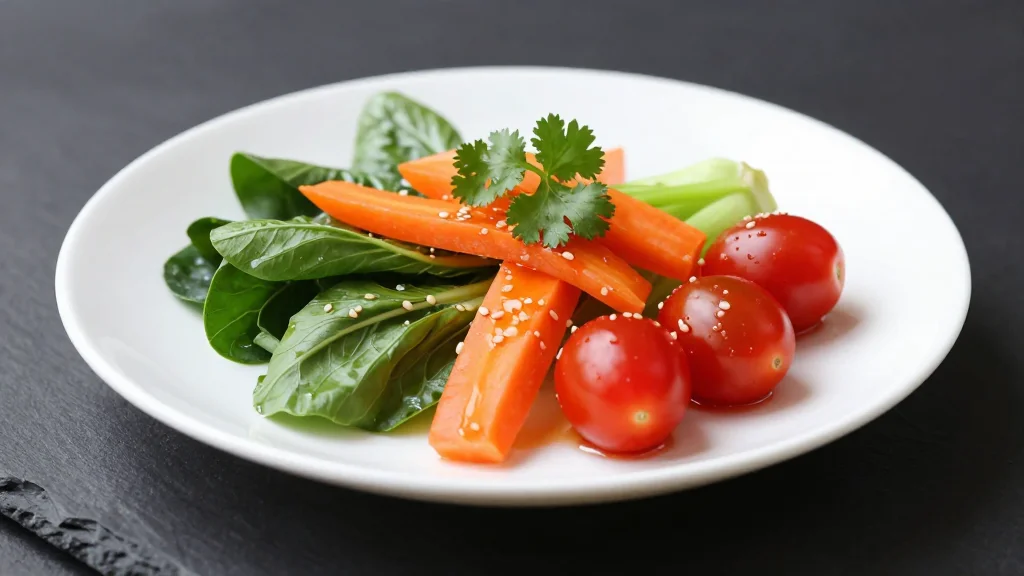
The Californication of Middle-Class Chinese Diets
Companies Mentioned
Why It Matters
The trend reshapes China’s food ecosystem, creating premium market opportunities and pressuring domestic producers to adopt sustainable practices. It also opens a gateway for international brands to tap a rapidly growing, health‑conscious consumer base.
Key Takeaways
- •Chinese middle class seeks cleaner, foreign‑inspired food
- •Organic farms receive premium prices above market rates
- •Michelin‑starred venues drive demand for high‑quality ingredients
- •Health‑focused dining reshapes Zhejiang’s supply chains
- •Generational shift links wealth to food sophistication
Pulse Analysis
China’s burgeoning middle class is redefining its palate, moving away from traditional comfort foods toward a diet that prizes cleanliness, nutrition, and a touch of Western flair. Rising disposable incomes, heightened health awareness, and government campaigns promoting "clean food" have converged to create a powerful demand engine. Urban consumers, especially in tier‑one cities, are willing to pay a premium for produce free from pesticides and chemical fertilizers, a sentiment echoed in live‑streaming marketplaces where influencers showcase exotic berries and organic greens.
This consumer pivot is forcing a wholesale overhaul of China’s agricultural supply chain. Farmers in Zhejiang province, for example, are now entering contracts that guarantee above‑market prices in exchange for sustainable farming practices. Restaurateurs like Dai Jianjun have become early adopters, leveraging these premium ingredients to earn accolades such as Michelin stars, which in turn amplify the prestige of organic sourcing. E‑commerce platforms and live‑streaming sales channels accelerate this feedback loop, allowing producers to reach affluent diners directly and scale niche markets that were previously confined to elite restaurants.
The ripple effects extend beyond domestic borders. International food brands see a lucrative entry point, as Chinese shoppers increasingly seek imported superfoods, specialty cheeses, and artisanal breads that align with their health aspirations. However, scaling organic production to meet this appetite poses challenges, including land constraints, certification complexities, and the need for consistent quality standards. Policymakers are responding with subsidies and stricter food‑safety regulations, aiming to balance consumer demand with sustainable growth. For investors and businesses, the Californization of Chinese diets signals a multi‑billion‑dollar opportunity that will shape the next decade of food innovation in Asia.
The Californication of middle-class Chinese diets
Comments
Want to join the conversation?
Loading comments...