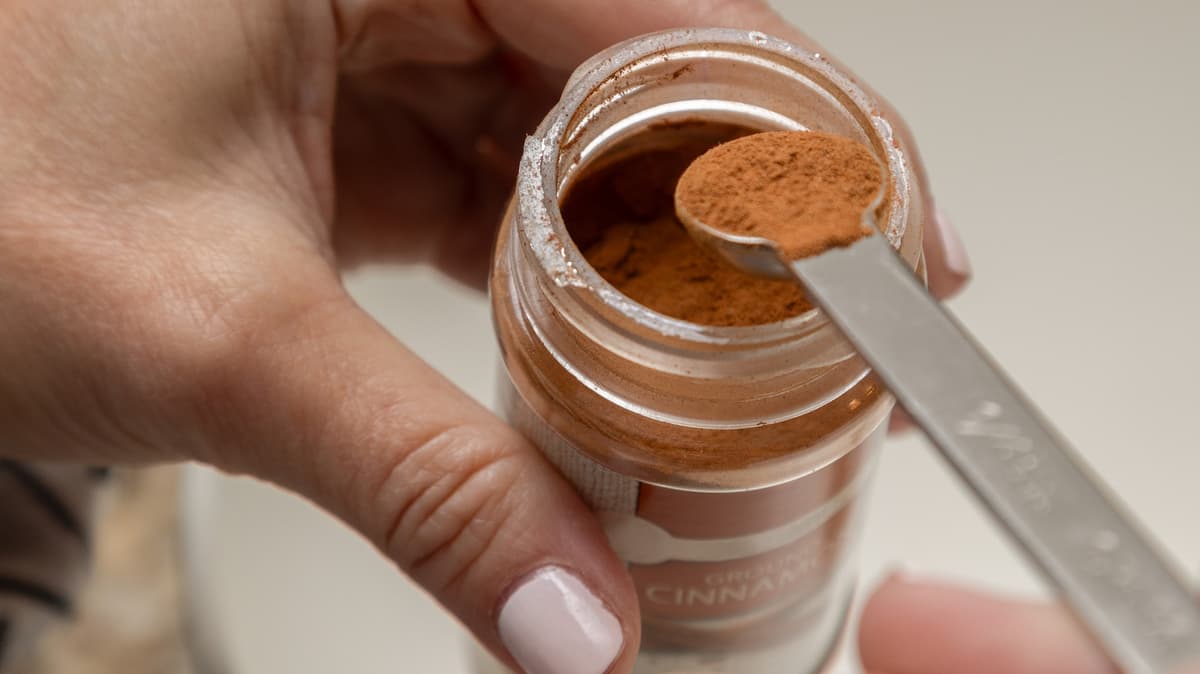
The Cinnamon With The Lowest Lead Content Comes From This Popular Grocery Store
Companies Mentioned
Why It Matters
The disparity in lead levels directly affects consumer health, especially for children, and pressures retailers to adopt stricter sourcing standards. Without federal limits, independent testing becomes the primary safeguard for pantry safety.
Key Takeaways
- •Whole Foods 365 brand cinnamon has 0.02 ppm lead, the lowest tested
- •Paras cinnamon recorded 3.52 ppm lead, leading to its removal from shelves
- •Walmart Great Value cinnamon measured 0.79 ppm, classified as okay to use
- •No FDA limits for lead in spices; testing relies on independent labs
- •Consuming up to 16 teaspoons of Whole Foods organic cinnamon stays safe
Pulse Analysis
Lead is a ubiquitous element in the earth’s crust, and over time it can leach into agricultural soils and water sources. When crops such as cassia bark—the source of most ground cinnamon—are harvested from contaminated fields, trace amounts of lead can survive processing and appear in the final spice. The 2023 lead‑poisoning outbreak linked to cinnamon‑laden applesauce highlighted how even low‑level exposure can accumulate in children, prompting a wave of independent testing to gauge the safety of everyday pantry staples.
Unlike heavy metals such as mercury, the U.S. Food and Drug Administration has not established a permissible lead limit for spices, leaving manufacturers free to disclose—or withhold—contamination data. Consumer Reports stepped into the gap, sampling 36 cinnamon brands and publishing a tiered “Best to Use,” “Okay to Use,” and “Do Not Use” list. Whole Foods’ 365 Everyday Value line emerged as the cleanest option at 0.02 ppm, while Paras’ 3.52 ppm reading triggered a voluntary product pull, illustrating how third‑party testing can reshape shelf space and brand reputation.
For shoppers, the practical takeaway is simple: check the label and favor brands that have been independently verified as low‑lead, such as Whole Foods’ organic cinnamon. The risk calculus remains modest—a teaspoon of a 0.02 ppm product adds virtually no lead, whereas the same amount of a 3.5 ppm spice could approach the CDC’s reference dose for children after repeated use. As consumer demand for transparency grows, retailers may adopt routine heavy‑metal screening, and legislators could consider formalizing spice safety standards, turning today’s niche testing into an industry norm.
The Cinnamon With The Lowest Lead Content Comes From This Popular Grocery Store
Comments
Want to join the conversation?
Loading comments...