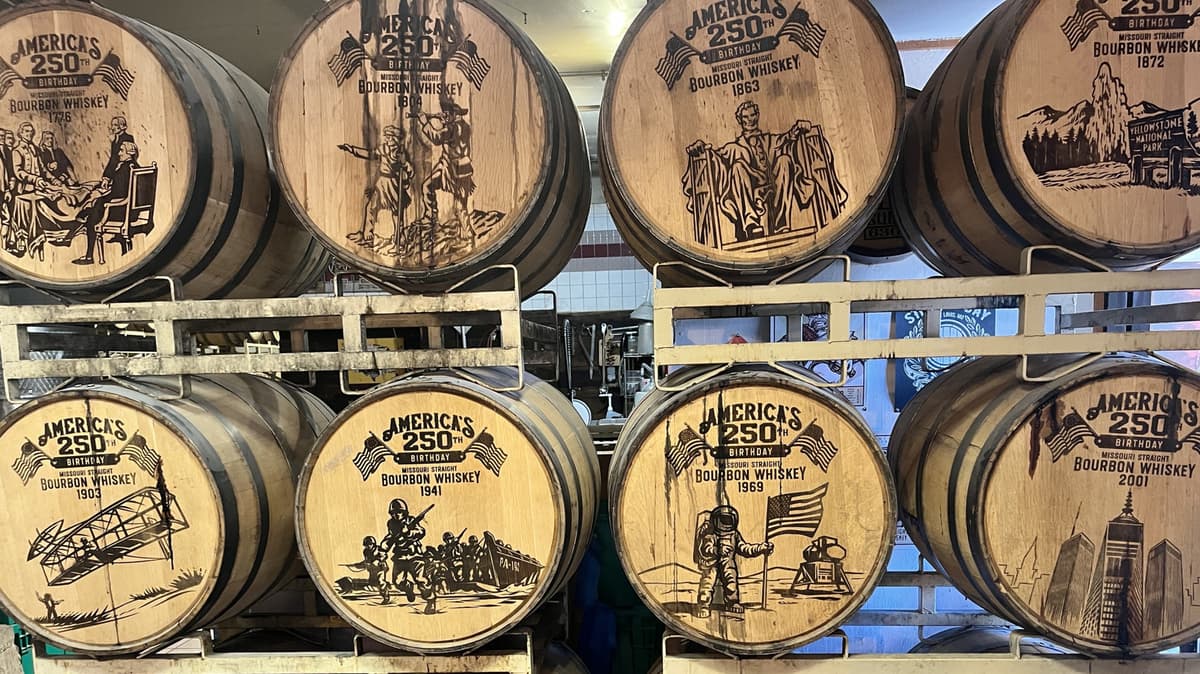
The Fascinating Tale Of How Missouri Got Its Own Version Of Bourbon Legalized
Why It Matters
The law creates a distinct market identity for Missouri’s craft spirits, driving economic growth for local farmers and distilleries while expanding the U.S. bourbon landscape.
Key Takeaways
- •Missouri bourbon must be produced entirely within state borders
- •Legislation signed Aug 28 2019 creates official Missouri bourbon designation
- •Requirement includes using locally grown corn and Missouri‑made barrels
- •Boosts local agriculture, tourism, and distiller brand credibility
- •Sets higher quality standards for Missouri craft spirits
Pulse Analysis
While bourbon is legally defined by federal criteria—minimum 51 % corn, new charred oak barrels, and at least two years of aging—its cultural identity has long been tied to Kentucky and, to a lesser extent, Tennessee. On August 28 2019, Missouri broke that monopoly by passing a state‑specific law that recognizes “Missouri bourbon” only when every step, from grain milling to bottling, occurs within state lines. The statute also mandates the use of Missouri‑grown corn and locally manufactured barrels, turning the Midwest’s agricultural assets into a distinct whiskey terroir.
The passage of the Missouri bourbon bill was the result of a concerted lobbying effort led by craft distillers such as David Weglarz of Still 630. By framing the legislation as a catalyst for farm income, job creation, and tourism, proponents persuaded a skeptical legislature that the measure would generate measurable economic spillovers. Early estimates suggest that each barrel aged in‑state could add roughly $1,200 in local revenue, while distillery tours attract visitors who spend on lodging and dining. Nevertheless, the initiative faced opposition from temperance groups, highlighting the delicate balance between regulation and market freedom.
With the legal framework in place, Missouri’s distillers now have a clear branding platform that differentiates them from Kentucky’s legacy. The state’s humid continental climate and the Ozarks’ mineral‑rich water provide a flavor profile that can appeal to consumers seeking regional authenticity. As the market matures, producers will need to maintain rigorous quality controls to meet heightened consumer expectations and avoid the “novelty” stigma. Successful navigation of these challenges could position Missouri as the next major player in the premium American whiskey segment, expanding export opportunities and reinforcing the Midwest’s craft beverage reputation.
The Fascinating Tale Of How Missouri Got Its Own Version Of Bourbon Legalized
Comments
Want to join the conversation?
Loading comments...