The ‘Hormuz Challenge’: UK Must Keep Calm and Carry On
Why It Matters
Geopolitical tensions could push input costs higher, feeding into food‑price inflation; targeted regulatory and fiscal actions can blunt that impact and protect consumers.
Key Takeaways
- •Fertiliser and CO₂ remain available; disruptions mainly raise costs, not shortages.
- •UK food firms adapted during COVID‑19 and Ukraine war, showing supply‑chain resilience.
- •Flexible labeling rules can ease ingredient swaps during external shocks.
- •Government fuel‑price relief helps keep transport costs and retail prices stable.
Pulse Analysis
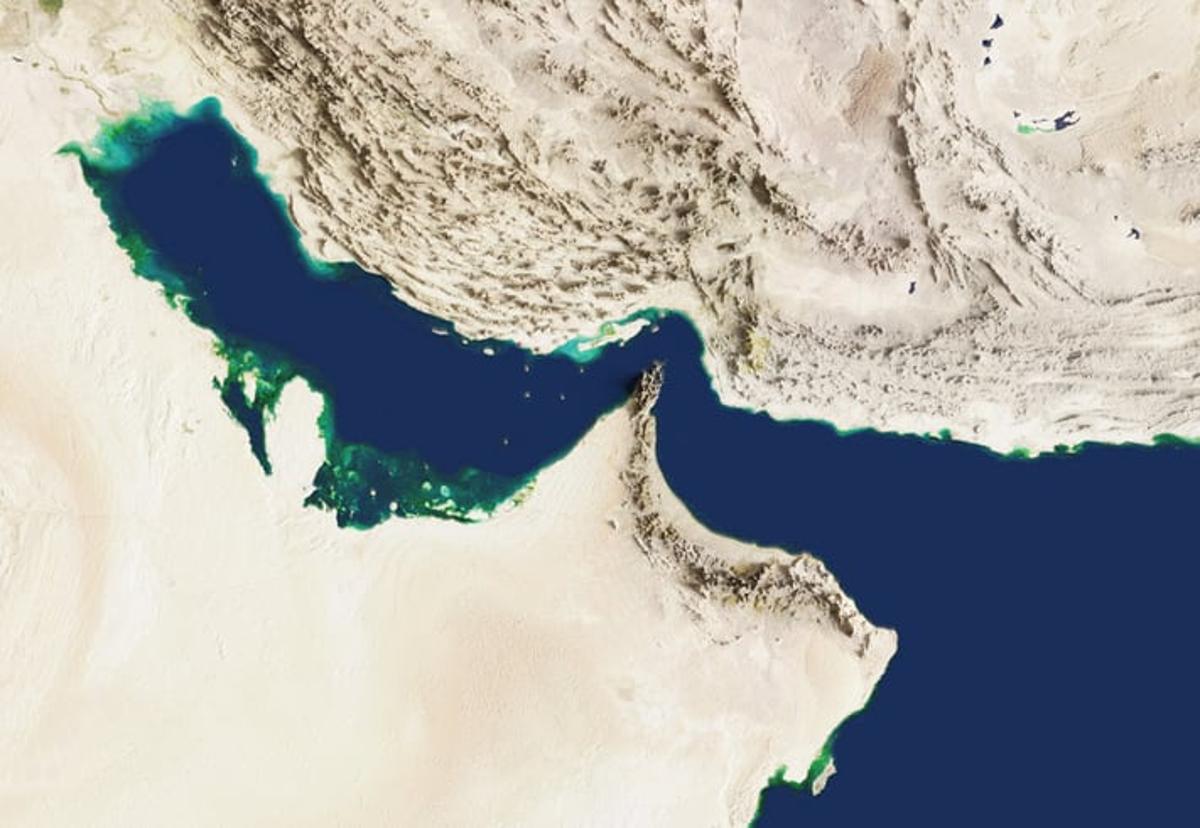
The Strait of Hormuz, a chokepoint for roughly 20% of global oil and a growing share of fertilizer shipments, has re‑emerged as a geopolitical flashpoint. While the UK imports a portion of its agricultural inputs via routes that skirt the strait, alternative maritime corridors and overland pipelines can offset outright shortages. The real risk lies in price volatility; any delay or rerouting adds freight premiums that quickly cascade to end‑consumer food prices, especially for commodities reliant on nitrogen‑based fertilizers.
History offers a reassuring template. During the COVID‑19 pandemic, UK food producers faced labor gaps, ingredient scarcities, and packaging bottlenecks yet pivoted to centralized depots, bulk ordering, and direct‑to‑consumer platforms. A similar agility surfaced when the Ukraine conflict disrupted sunflower oil supplies, prompting manufacturers to reformulate recipes with alternative oils. These adaptations not only preserved shelf‑stock but also unlocked efficiency gains, underscoring the sector’s capacity to absorb external shocks through digital tools and flexible supply‑chain design.
Policymakers can amplify that resilience. Temporarily relaxing pre‑printed label mandates for unavoidable ingredient swaps, while maintaining allergen safeguards, would reduce waste and avoid costly re‑printing. Moreover, targeted fuel‑price subsidies or tax relief for refrigerated transport can curb the logistical cost surge that threatens retail price stability. By aligning regulatory flexibility with strategic fiscal support, the government can help keep UK food markets stocked and affordable, even as distant geopolitical tensions ripple through global commodity flows.
The ‘Hormuz challenge’: UK must keep calm and carry on
Comments
Want to join the conversation?
Loading comments...