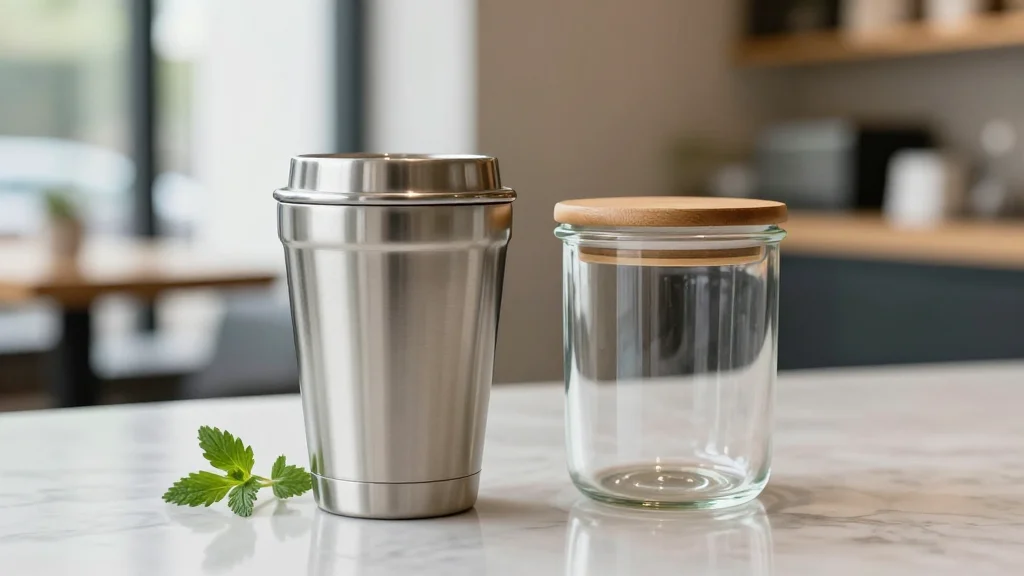
The Lunchbox Dilemma: Why Europe’s Packaging Push Risks Backfiring
Why It Matters
Unclear EU guidance forces HORECA operators into costly, uncertain compliance paths, threatening both food safety and the regulation’s environmental goals.
Key Takeaways
- •EU PPWR Articles 32/33 demand reusable or BYO packaging by 2026‑27
- •Lack of EU guidance leaves HORECA operators facing legal uncertainty
- •Reusable systems risk higher lifecycle emissions without high return rates
- •BYO containers raise food‑safety and liability concerns for restaurants
- •Serving Europe’s voluntary guidelines aim to standardize compliance across member states
Pulse Analysis
The European Union’s Packaging and Packaging Waste Regulation represents the bloc’s most ambitious attempt to curb single‑use waste in the food‑service sector. Articles 32 and 33 specifically target the HORECA industry, mandating that take‑away meals be offered in reusable containers or allow customers to bring their own. The regulation’s rollout dates—mid‑2026 for reusable packaging and early 2027 for BYO—create a tight window for operators to redesign menus, supply chains and point‑of‑sale processes. While the policy’s environmental intent is clear, the European Commission’s recent FAQ omitted any practical guidance, leaving businesses to interpret ambiguous terminology such as “refill” versus “BYO.”
Operationalizing these mandates uncovers a host of practical challenges. Reusable container systems require reverse‑logistics, cleaning facilities, and high return rates to achieve a net environmental benefit; the EU Joint Research Centre warns that low return rates can make such schemes more carbon‑intensive than recyclable paper. BYO options, meanwhile, introduce food‑safety risks: restaurants cannot guarantee the cleanliness of customer‑provided vessels, raising concerns over cross‑contamination, allergens and liability—even though the PPWR exempts operators from legal responsibility. These complexities mean that many establishments must invest in new equipment, staff training and compliance monitoring well before the deadlines, straining margins in a sector already pressured by inflation and labor shortages.
In response, the industry body Serving Europe released Voluntary Industry Guidelines that outline best‑practice procedures for both reusable and BYO models. Although the guidelines are not legally binding, they provide a common baseline that could harmonise practices across the EU’s fragmented regulatory landscape. Recognising these guidelines in official EU documents would give operators a clearer roadmap, reduce divergent national interpretations, and help preserve the regulation’s level‑playing‑field objective. Until such clarification arrives, HORECA firms must balance the urgency of compliance against the uncertainty of enforcement, a dilemma that could dilute the PPWR’s environmental impact and reshape competitive dynamics across Europe’s food‑service market.
The lunchbox dilemma: Why Europe’s packaging push risks backfiring
Comments
Want to join the conversation?
Loading comments...