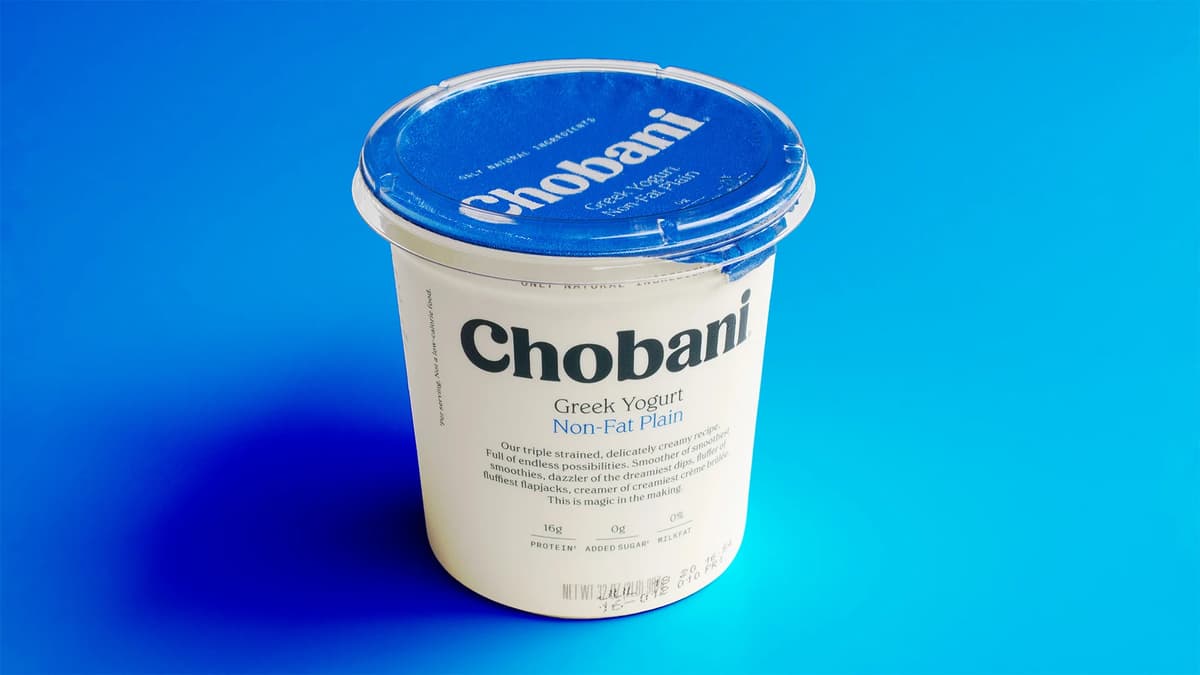
The Maker of Oikos Just Filed a Lawsuit Accusing Chobani of Inflating Its Protein Numbers
Companies Mentioned
Why It Matters
Accurate protein labeling directly influences purchasing decisions and brand credibility, making this lawsuit a bellwether for future regulatory enforcement in the dairy industry.
Key Takeaways
- •Danone sues Chobani over serving‑size claim for 20‑gram protein
- •Chobani lists 6.7‑oz serving; Danone argues FDA standard is 6 oz
- •Lawsuit highlights growing legal focus on protein labeling in dairy
- •Consumer trust hinges on transparent nutrition claims amid protein boom
Pulse Analysis
The high‑protein wave has reshaped dairy shelves, turning a simple gram count into a decisive sales driver. Brands like Chobani have leveraged the 20‑gram benchmark to position their products as fitness‑friendly, while rivals such as Danone defend market share by emphasizing precise nutrition data. This competitive dynamic fuels aggressive marketing, but also invites scrutiny from regulators and competitors alike, especially when serving‑size calculations can swing a product’s protein claim by a few grams.
Serving‑size regulations are governed by the FDA’s Nutrition Facts guidelines, which prescribe a standard reference amount for multi‑serve containers—typically six ounces for yogurt. Chobani’s use of a 6.7‑ounce serving exceeds that benchmark, allowing it to claim 20 grams of protein per serving, whereas Danone contends the actual protein falls below 18 grams under the official standard. The lawsuit spotlights a gray area where manufacturers balance legal compliance with marketing appeal, and it may prompt the FDA to issue clearer enforcement policies to prevent similar disputes.
Beyond the courtroom, the case signals a broader shift in consumer expectations. Shoppers increasingly rely on protein metrics to guide health and weight‑management choices, making label integrity a cornerstone of brand loyalty. As the industry watches the outcome, other dairy and plant‑based producers may pre‑emptively audit their labeling practices to avoid litigation. Ultimately, the resolution could set a precedent that tightens the definition of “high‑protein” claims, reshaping product development and advertising strategies across the food sector.
The Maker of Oikos Just Filed a Lawsuit Accusing Chobani of Inflating Its Protein Numbers
Comments
Want to join the conversation?
Loading comments...