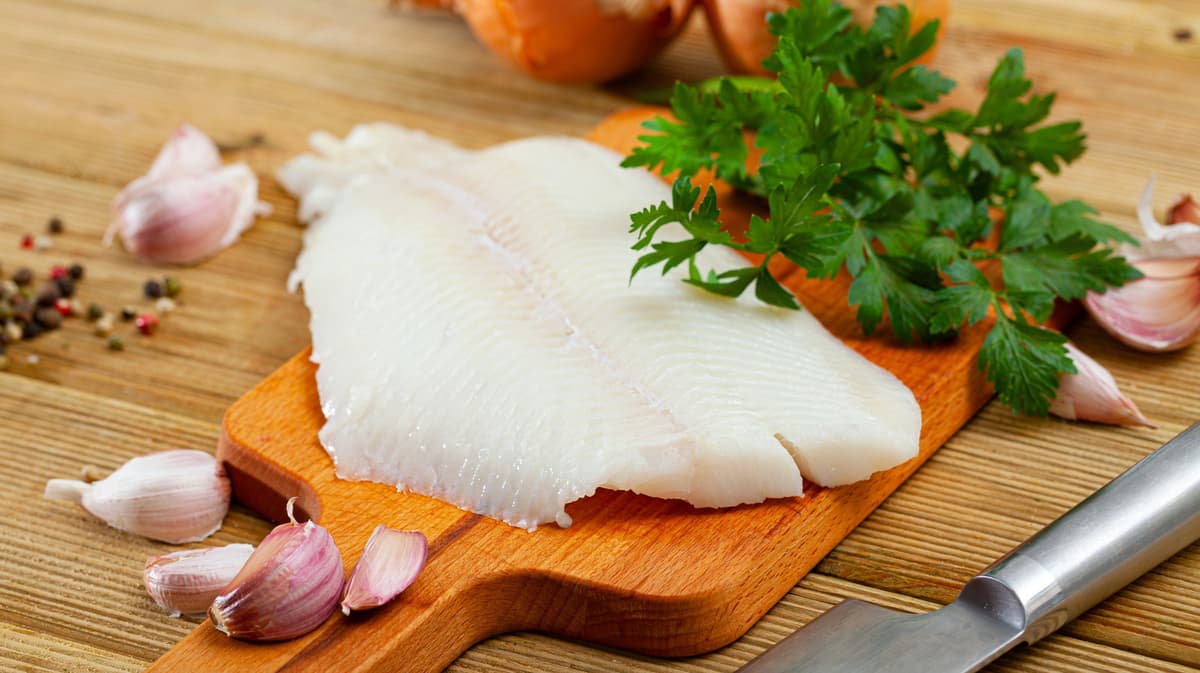
The Popular Fish You're Better Off Avoiding Due To Severe Overfishing
Why It Matters
The depletion of Atlantic halibut threatens marine ecosystem balance and jeopardizes coastal economies that depend on fisheries, highlighting the urgency for sustainable sourcing decisions.
Key Takeaways
- •NOAA lists wild Atlantic halibut as overfished
- •Population fell to 10% of 1960s levels
- •Female halibut need ten years to reach maturity
- •Farmed halibut provides a more sustainable seafood option
- •Pacific halibut, cod, and haddock are recommended substitutes
Pulse Analysis
The Atlantic halibut’s decline illustrates a classic case of overexploitation in modern fisheries. Once abundant along the eastern seaboard of the United States and Canada, the species suffered relentless commercial catches in the 20th century, driving its numbers to a historic low. Regulatory agencies such as NOAA now label the wild stock as overfished, and consumer guides like Seafood Watch advise avoidance. This status reflects not only reduced catch rates but also the biological vulnerability of halibut, whose females require a decade to reach reproductive maturity, making population recovery a slow process.
Beyond the species itself, the halibut’s collapse reverberates through the marine food web. As a top predator, its scarcity can trigger trophic cascades, altering the abundance of prey species and reshaping benthic habitats. The socioeconomic ripple is equally stark: fishing communities that once relied on halibut revenues face job losses and cultural erosion, echoing the cod crisis of the 1990s in Newfoundland. The broader lesson underscores how single‑species overfishing can destabilize entire ecosystems and local economies, reinforcing the need for ecosystem‑based management and precautionary harvest limits.
For consumers, the path forward lies in informed choices. Farm‑raised Atlantic halibut sidesteps pressure on wild stocks, but buyers should verify certification to ensure responsible aquaculture practices. More readily available alternatives—Pacific halibut, Atlantic cod, and haddock—offer comparable flavor profiles without the same overfishing concerns. Industry stakeholders are also exploring stock‑enhancement programs and stricter quotas to foster recovery. By aligning market demand with sustainable supply, the seafood sector can help restore balance to the oceans while preserving culinary traditions.
The Popular Fish You're Better Off Avoiding Due To Severe Overfishing
Comments
Want to join the conversation?
Loading comments...