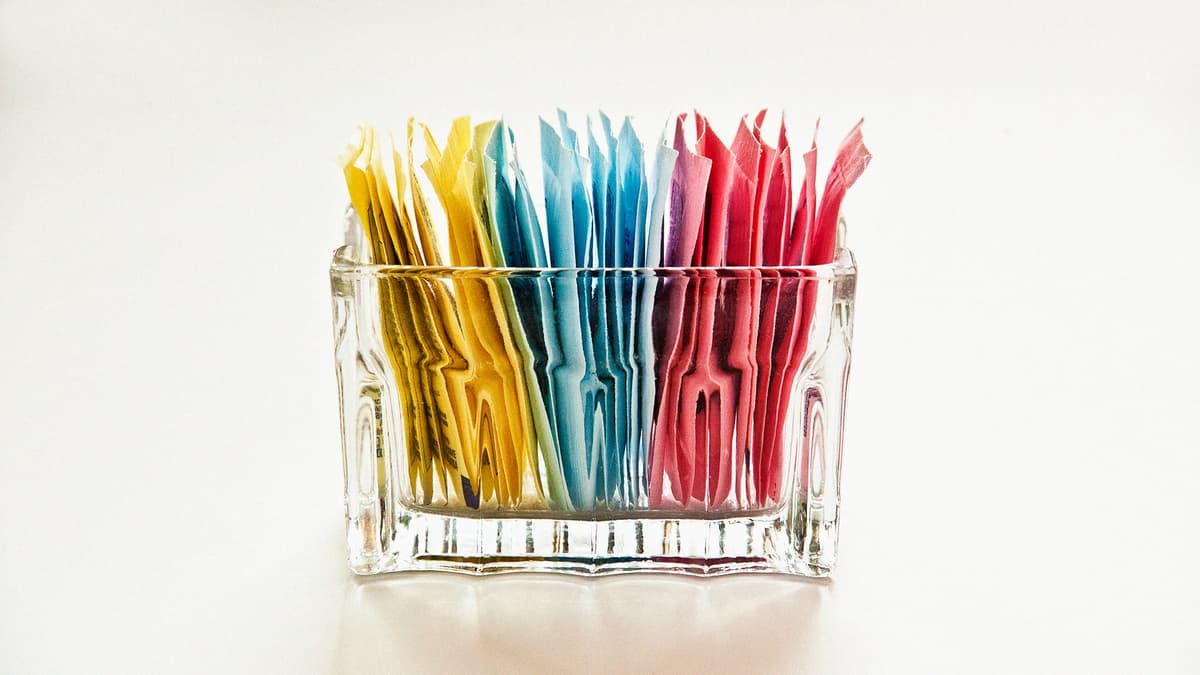
The Taste of Artificial Sweeteners Is All in Your Head, Study Finds
Why It Matters
The findings reveal that consumer perception of low‑calorie drinks is driven more by mindset than chemistry, influencing product positioning and public health messaging. Marketers and policymakers must account for expectation effects when promoting artificial sweeteners as sugar substitutes.
Key Takeaways
- •Expectation influences perceived sweetness of artificial sweeteners
- •Only 27% could reliably differentiate sugar from sweeteners
- •Dopaminergic midbrain activation varies with belief about calories
- •Study involved 99 adults across three European universities
- •Findings challenge claims that artificial sweeteners taste identical to sugar
Pulse Analysis
The study, published in The Journal of Neuroscience, used a clever blend of sensory testing and functional MRI to isolate the power of expectation. Participants sampled lemonade sweetened with either sugar or an artificial sweetener while receiving cues that suggested the type of sweetener they would receive. When told the drink contained sugar, they reported higher pleasure, and brain imaging showed heightened activity in the dopaminergic midbrain—a region linked to reward and calorie anticipation. By contrast, labeling a drink as artificially sweetened dampened both subjective enjoyment and neural response, even though the chemical composition was unchanged.
These results have immediate implications for the beverage industry and health advocates. Brands that market diet sodas as "taste‑identical" to their sugared counterparts may need to reconsider the role of branding and labeling, as consumer belief can create a self‑fulfilling taste experience. Public‑health campaigns promoting low‑calorie sweeteners as a healthier alternative should also address the psychological component, ensuring that messaging does not inadvertently diminish perceived satisfaction, which could lead to compensatory eating. Understanding that perception, not just formulation, drives preference opens new avenues for product development and consumer education.
The research also fits into a broader historical narrative of artificial sweeteners, from saccharin’s 19th‑century debut to the FDA‑approved surge of aspartame in the 1980s. While safety concerns have largely been resolved, the taste debate persists. This study suggests future work should explore how long‑term exposure and cultural conditioning shape sweetener acceptance, and whether similar expectation effects occur with emerging non‑nutritive sweeteners like stevia or monk fruit. Policymakers may consider labeling standards that balance transparency with the psychological impact on taste perception.
The Taste of Artificial Sweeteners Is All in Your Head, Study Finds
Comments
Want to join the conversation?
Loading comments...