The Trends Shaping Restaurants in 2026
Why It Matters
The combined pressure of macro‑economic headwinds, evolving consumer health preferences, and technology‑driven ordering will force operators to rethink menus, pricing and service models to sustain growth in a tightening market.
Key Takeaways
- •Traffic down 0.8% in 2025, flat in early 2026.
- •New USDA food pyramid emphasizes protein, pressures menu development.
- •Cannabis legal in 24 states, could erode bar alcohol sales.
- •GLP‑1 drugs drive smaller, high‑protein portions across menus.
- •Digital orders make up 75% of sales but lag satisfaction.
Pulse Analysis
The restaurant sector entered 2026 on a shaky footing. A modest traffic rebound in January and February was quickly tempered by the fallout from Iran’s Strait of Hormuz blockade, which pushed national gasoline prices above $4 per gallon and nudged U.S. inflation forecasts to 4.2% for the year. Higher fuel costs and inflation have already prompted operators to re‑evaluate price elasticity, with many already testing modest menu price hikes to protect margins. Meanwhile, lingering consumer confidence concerns mean that even small shifts in discretionary spending can ripple through the industry.
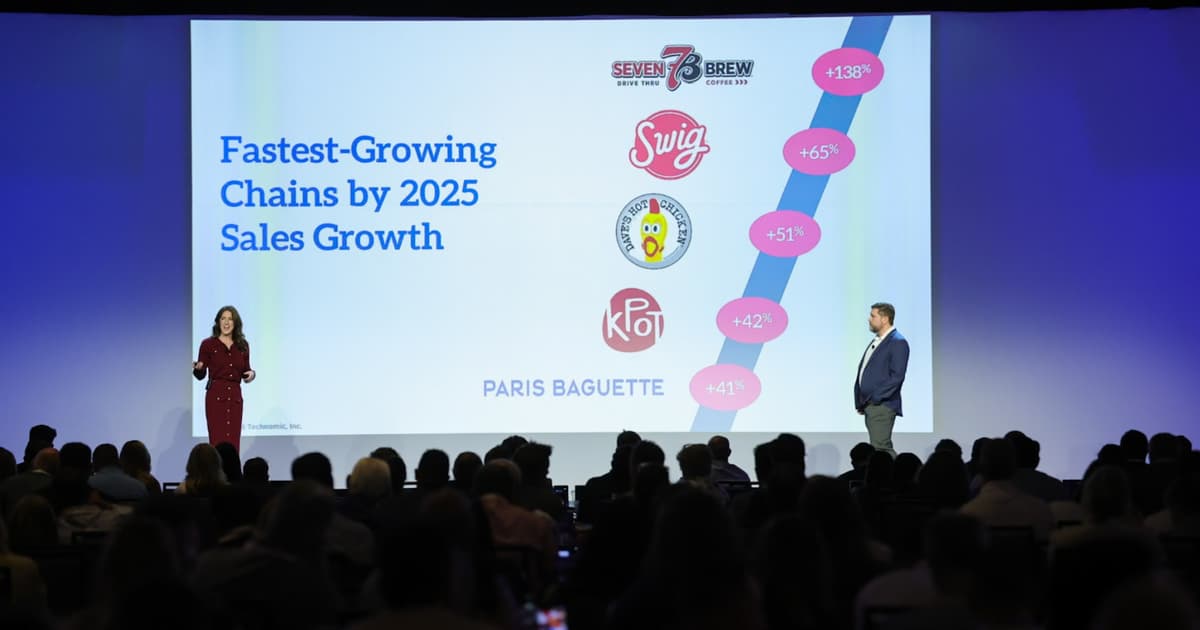
Technomic highlighted five forces reshaping the market. The USDA’s revamped food pyramid, championed by the Make America Healthy Again initiative, places protein and healthy fats at the forefront, prompting chains to redesign menus around meat, fish and plant‑based alternatives. Simultaneously, the spread of recreational cannabis to 24 states introduces a substitution effect: 57% of consumers report swapping alcohol for weed at least once a month, creating both a risk to bar revenue and an opening for THC‑free beverages. The rapid adoption of GLP‑1 weight‑loss drugs is another catalyst, as users gravitate toward lower‑calorie, high‑protein dishes, prompting concepts like Smoothie King to launch specialized GLP‑1 smoothies. Demographic headwinds—slowing population growth and an aging baby‑boomer cohort—further compress the traditional dining base, forcing brands to balance the preferences of younger diners with the home‑eating tendencies of older adults.
For operators, the takeaway is clear: success will hinge on agility across menu, pricing and service channels. Brands that embed protein‑forward items, experiment with portion control for GLP‑1 users, and invest in digital‑order experiences that retain a human touch are already outpacing peers—Wendy’s and Chili’s, for example, grew eight times faster than the industry average in 2025. Moreover, targeting the aging segment with convenient, health‑focused offerings and leveraging data‑driven insights to fine‑tune pricing can offset the drag from slower population growth. In a climate of rising costs and shifting consumer habits, the restaurants that blend culinary innovation with superior service delivery are best positioned to thrive.
The trends shaping restaurants in 2026
Comments
Want to join the conversation?
Loading comments...