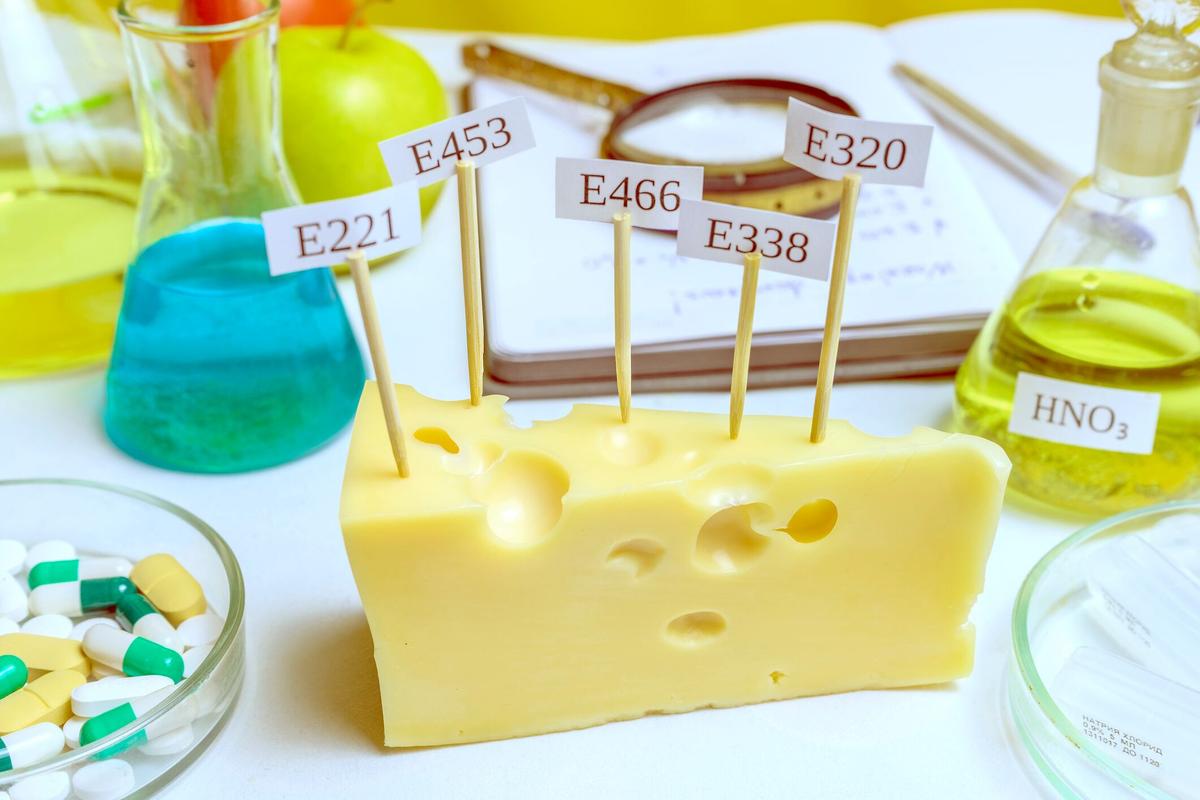
‘There Are No Bad Additives, only Bad Humans’: Experts Urge Fairer View of Processed Foods
Why It Matters
The debate shapes the future of China’s processed‑food market, influencing innovation, export potential, and consumer confidence across the global supply chain.
Key Takeaways
- •China permits >2,300 food additives, but regulations limit innovation
- •Consumer fear stems from past scandals, not additive safety
- •Experts urge science‑based evaluation and stricter manufacturer discipline
- •Restrictive rules hinder chocolate and infant formula market expansion
- •Natural‑additive demand rising, but all additives remain essential
Pulse Analysis
The clean‑label movement has taken hold in China, mirroring a worldwide demand for products marketed as additive‑free or 100% natural. While consumers equate “no additives” with safety, the reality is more nuanced: China’s food safety framework already governs over 2,300 approved substances, and past incidents such as the 2008 melamine milk scandal have left a lingering distrust. Food‑science scholars argue that the real danger lies in improper use, not the additives themselves, and that a science‑based narrative could restore confidence while preserving product quality.
Regulatory rigidity is now a bottleneck for Chinese manufacturers seeking to compete on taste and functionality. Chocolate producers, for example, lack the breadth of additive options available to European rivals, limiting flavor innovation and texture refinement. In the infant‑formula arena, divergent additive standards prevent high‑quality domestic brands from accessing lucrative overseas markets, despite meeting rigorous safety criteria. These constraints not only curb domestic product evolution but also hinder China’s ability to export premium processed foods, reinforcing a perception that Chinese products are less sophisticated than their global counterparts.
Looking ahead, demand for natural additives is set to rise, yet the broader category of additives will remain indispensable for processed foods such as beverages, ice cream, and ready‑meals. Experts stress that disciplined manufacturing practices and transparent, evidence‑driven regulation are the keys to balancing consumer expectations with industry needs. By shifting the conversation from blanket bans to responsible usage, China can unlock innovation, improve export competitiveness, and align its food‑additive landscape with global best practices.
‘There are no bad additives, only bad humans’: Experts urge fairer view of processed foods
Comments
Want to join the conversation?
Loading comments...