These Are The Foods To Eat (& Avoid) To Reduce Microplastic Exposure
Why It Matters
Diet quality directly impacts the amount of microplastics entering the body and the gut’s ability to neutralize their damage, shaping public‑health outcomes as plastic pollution rises.
Key Takeaways
- •Ultraprocessed foods and bottled water contain higher microplastic levels
- •Smaller micro‑ and nanoplastics can cross gut barrier, causing inflammation
- •Fiber binds microplastics, aiding elimination via bowel movements
- •Antioxidants and probiotics may protect gut from plastic‑induced oxidative stress
- •Glass or stainless containers reduce household plastic exposure
Pulse Analysis
Microplastics have infiltrated the food chain, showing up in everything from tap water to packaged snacks. Recent scientific scrutiny highlights that the smallest particles—micro‑ and nanoplastics—are especially worrisome because they can breach the intestinal lining, sparking inflammation and oxidative stress. While animal and cell studies dominate the evidence base, the emerging consensus points to a clear link between high‑plastic diets and gut‑related health risks, prompting regulators and consumers alike to demand clearer labeling and safer packaging.
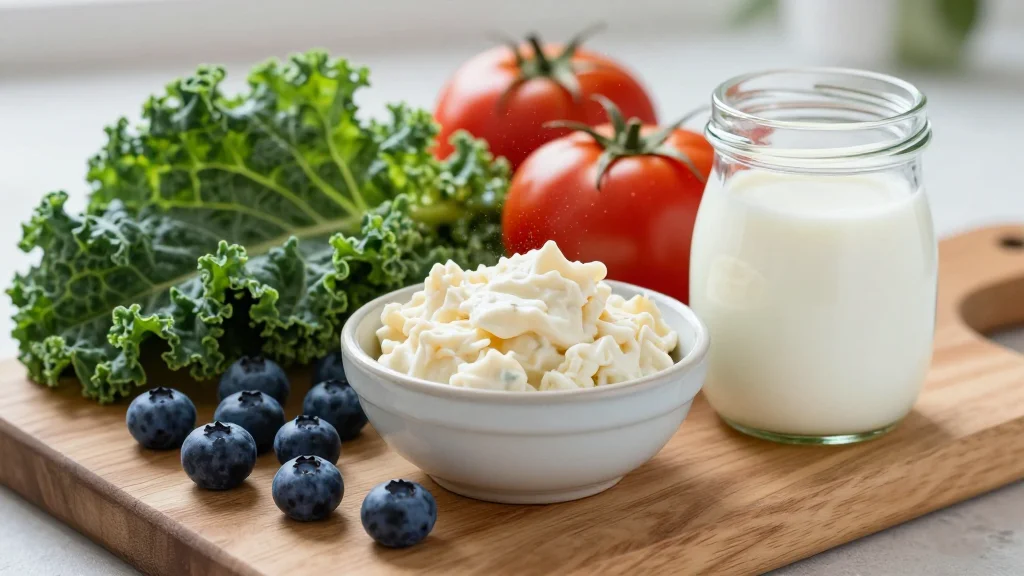
Nutrition science offers a pragmatic counterbalance. Dietary fiber acts like a sponge, binding plastic fragments and escorting them out of the body through regular bowel movements. Antioxidant‑rich foods such as berries and leafy greens can neutralize the free radicals generated by plastic‑induced oxidative stress, while probiotic‑laden fermented products reinforce the gut barrier, limiting particle translocation into the bloodstream. Together, these nutrients create a multi‑layered defense that not only supports overall gut health but also attenuates the specific threats posed by ingested plastics.
For the marketplace, the review translates into actionable consumer guidance. Swapping ultraprocessed meals for whole‑food options, choosing filtered tap water over bottled, and storing leftovers in glass or stainless steel can dramatically cut exposure. Food manufacturers are already exploring biodegradable packaging and plastic‑free processing lines to meet growing demand for cleaner products. As research evolves, these dietary strategies will likely become a cornerstone of public‑health recommendations, positioning health‑focused brands at the forefront of the anti‑microplastic movement.
These Are The Foods To Eat (& Avoid) To Reduce Microplastic Exposure
Comments
Want to join the conversation?
Loading comments...