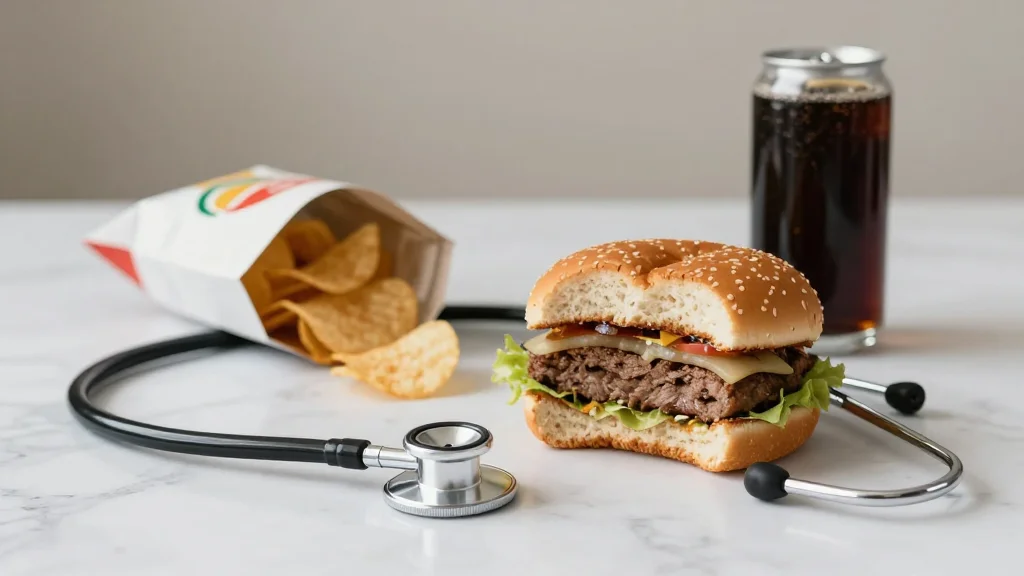
These “Healthy” Foods You Eat Daily Are Linked To 65% Higher Heart Risk
Why It Matters
Elevating UPFs to a clinical risk factor could reshape dietary guidelines and preventive cardiology, prompting both doctors and consumers to prioritize food processing over simple nutrient counts.
Key Takeaways
- •Ultra‑processed foods raise cardiovascular death risk by up to 65 %.
- •Highest UPF consumers also face 19 % higher heart disease risk.
- •European report urges doctors to treat UPF intake like smoking.
- •Swapping just one UPF daily can lower long‑term heart risk.
Pulse Analysis
The European Society of Cardiology’s latest consensus statement aggregates ten years of epidemiological data, confirming that ultra‑processed foods—items made from isolated ingredients, additives, and industrial processing—are now a leading dietary threat to heart health. Consumption of these products has surged across the continent, with more than half of daily calories in the UK and over 60 % in the Netherlands coming from UPFs. By consolidating findings from multiple large‑scale cohort studies, the report provides a robust, cross‑national signal that the risk is not confined to any single population, strengthening the case for policy makers to revisit nutrition guidelines that traditionally focus on nutrients rather than processing levels.
Mechanistically, UPFs drive cardiovascular risk through a cocktail of metabolic disturbances. The high glycemic load of added sugars, the presence of emulsifiers and artificial flavorings, and the formation of harmful compounds during high‑heat manufacturing collectively promote obesity, hypertension, dyslipidemia, and insulin resistance. Emerging research also links these ingredients to gut‑microbiome disruption and systemic inflammation, pathways that accelerate atherosclerosis and arrhythmias. Unlike whole foods, the body processes isolated proteins, maltodextrin, and synthetic additives differently, leading to hormonal imbalances that affect hunger cues and satiety, further entrenching unhealthy eating patterns.
For businesses and consumers, the report’s clinical framing creates both a challenge and an opportunity. Food manufacturers may face pressure to reformulate products, reducing additives and emphasizing minimally processed ingredients to retain market share. Meanwhile, consumers can mitigate risk by adopting simple swaps—choosing fresh fruit, nuts, or plain dairy over flavored, ingredient‑dense alternatives—and by learning to read labels for emulsifiers, stabilizers, and artificial flavors. As clinicians begin to prescribe “low‑UPF” diets alongside traditional risk‑reduction strategies, the market for transparent, whole‑food‑based options is likely to expand, reshaping the convenience food landscape for the better.
These “Healthy” Foods You Eat Daily Are Linked To 65% Higher Heart Risk
Comments
Want to join the conversation?
Loading comments...