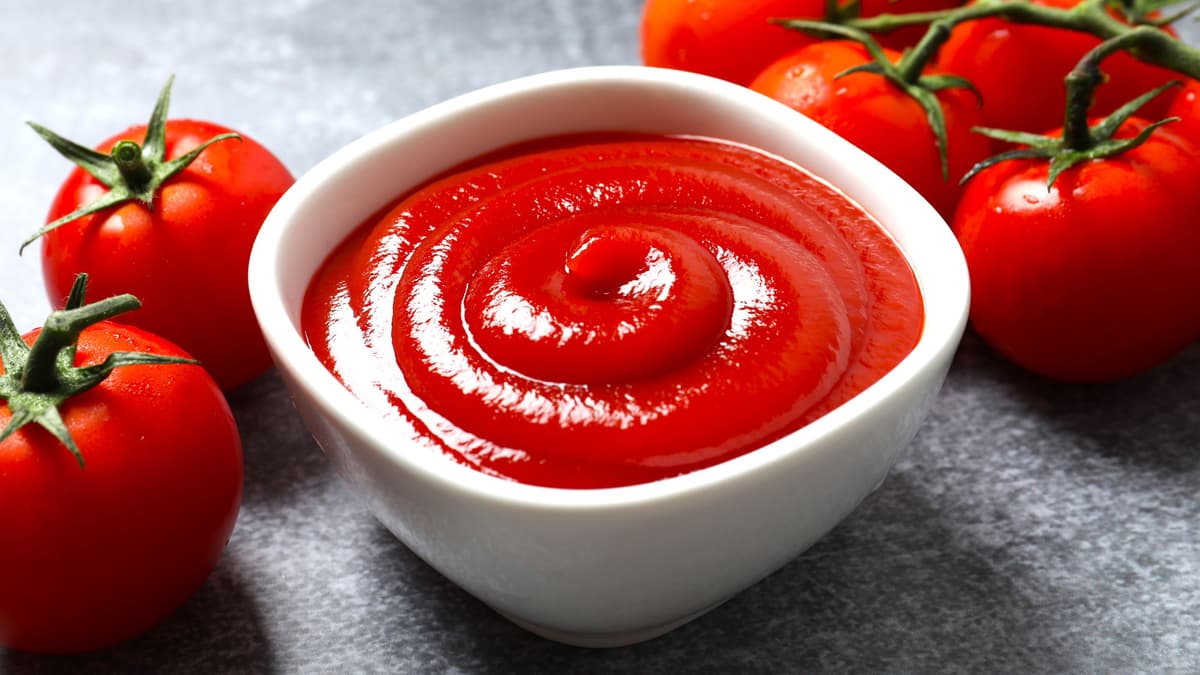
This Is Where Heinz Ketchup Sources Its Tomatoes
Companies Mentioned
Why It Matters
The diversified sourcing and seed operation secure a steady ketchup supply while climate‑resilient breeding protects future production, underscoring Heinz’s influence on the global tomato market.
Key Takeaways
- •Heinz sources tomatoes from four continents for U.S. ketchup
- •Main U.S. supply comes from M Three Ranches, California
- •Seed facility in Stockton provides seeds for 40% of U.S. tomato products
- •Heinz developing drought‑resistant tomato varieties to mitigate climate risk
- •Experimented with Mars‑like conditions, creating “Marz Edition” ketchup
Pulse Analysis
Heinz remains the world’s most recognizable ketchup brand, and its ability to fill 650 million bottles each year hinges on a truly global tomato supply chain. Harvests from California’s M Three Ranches, Brazil’s Nerópolis region, Spain’s Badajoz province, and Egyptian farms are blended to achieve the consistent flavor that consumers expect. By spreading production across North America, South America, Europe, and Africa, Heinz mitigates regional weather shocks and reduces transportation costs, a strategy that many food manufacturers are emulating as demand for processed tomato products climbs.
Beyond raw fruit, Heinz’s seed‑processing facility in Stockton, California, plays a pivotal role in the U.S. tomato ecosystem. The plant imports, tests, and distributes a variety of tomato seeds, and Heinz claims that two‑in‑five tomato‑based products in the United States originate from its seed stock. This vertical integration gives the company tighter control over crop quality, yields, and disease resistance, while also creating a revenue stream from seed sales to independent growers. The facility’s influence extends to soups, sauces, and fresh‑cut tomatoes, reinforcing Heinz’s footprint across the broader food‑processing sector.
Facing accelerating climate change, Heinz is investing heavily in agricultural research to future‑proof its supply. Scientists are breeding tomato strains that tolerate drought, heat, and disease, reducing reliance on water‑intensive farming practices. A high‑profile experiment in 2021 saw Heinz partner with the Aldrin Space Institute to grow tomatoes under simulated Martian conditions, producing a limited‑edition “Marz Edition” ketchup that, while never sold, demonstrated the brand’s commitment to innovation. These efforts signal to investors and competitors that Heinz is proactively addressing environmental risk, positioning itself to maintain market leadership as global food systems evolve.
This Is Where Heinz Ketchup Sources Its Tomatoes
Comments
Want to join the conversation?
Loading comments...