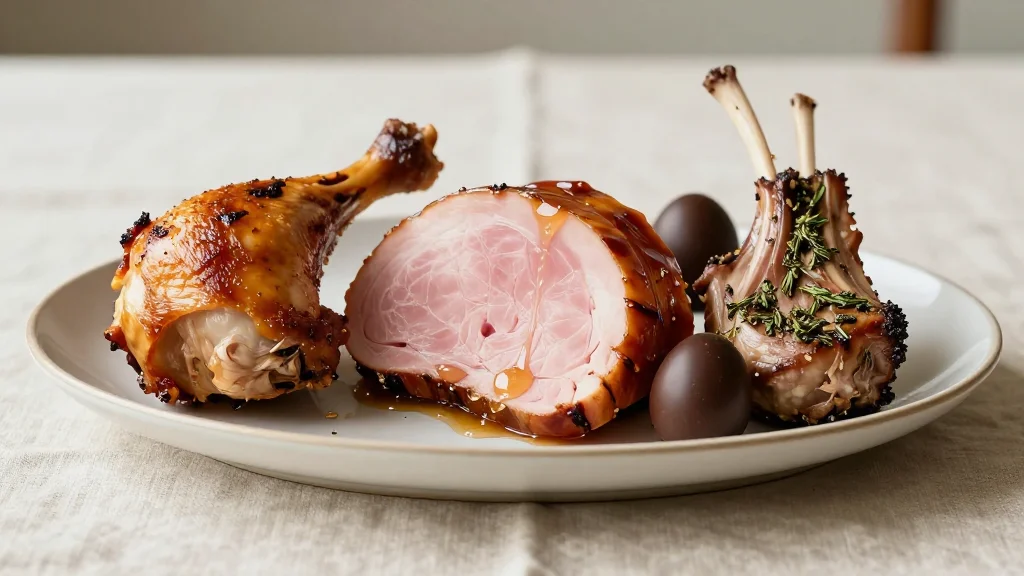
This Year, Easter Traditions Take a Back Seat to Value
Why It Matters
The shift shows that even culturally entrenched food traditions are vulnerable to inflation, highlighting broader consumer spending constraints in Canada’s grocery market.
Key Takeaways
- •Lamb prices hit $20 per pound, widening protein gap.
- •Turkey stays under $2/lb, used as loss leader.
- •Ham prices drop, positioned as affordable compromise.
- •Easter chocolate up 10‑25% due to cocoa inflation.
- •Consumers split: trade‑down or pay premium, creating K‑shape.
Pulse Analysis
The 2026 Easter price landscape reflects a confluence of macro‑economic forces. Persistent inflation, higher commodity costs for cocoa and livestock, and a weaker Canadian dollar have pushed lamb into premium territory while turkey and ham remain budget‑friendly. Lamb’s import reliance and rising production expenses mean retailers cannot subsidize it, forcing consumers who value tradition to absorb higher bills or abandon the protein altogether. This divergence underscores how global supply‑chain shocks translate directly into household dinner tables.
Retailers have responded by leaning on classic loss‑leader tactics. Turkey, priced under $2 per pound, dominates flyers and drives foot traffic, while ham is marketed as a cost‑effective compromise. These promotions encourage price‑sensitive shoppers to trade down, reinforcing a “K‑shaped” consumption pattern where a segment continues to purchase premium lamb despite higher costs. Simultaneously, Easter chocolate has seen 10‑25% price hikes as cocoa prices surge, but unlike proteins, chocolate is not discounted, passing the true cost to consumers.
The broader implication is a potential lasting re‑calibration of holiday spending. As affordability moves from background concern to a defining market force, retailers may need to diversify promotional mixes and explore value‑added alternatives, such as plant‑based proteins, to retain shoppers. For manufacturers, transparent pricing and supply‑chain resilience become critical to maintaining brand loyalty during cost spikes. Ultimately, the erosion of tradition‑driven menus signals a more strategic, price‑driven consumer mindset that could reshape Canadian food retail beyond Easter.
This year, Easter traditions take a back seat to value
Comments
Want to join the conversation?
Loading comments...