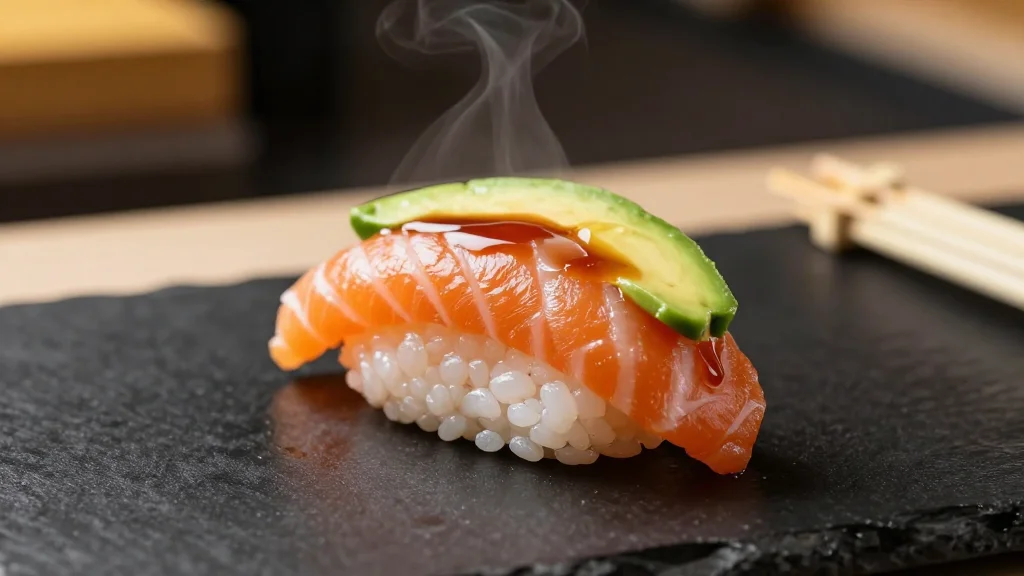
Top 2026 Sushi Trends Include Fusion Innovations, Sustainable Sourcing
Why It Matters
The rapid market expansion and rising sustainability expectations are reshaping supply chains, creating lucrative openings for plant‑based protein innovators and traceable seafood providers.
Key Takeaways
- •Sushi market to hit $13.5 billion by 2035, 7.9% CAGR
- •Plant‑based salmon and tuna alternatives gaining supermarket shelf space
- •MSC‑certified and regenerative‑aquaculture fish expected on premium menus
- •Korean‑Japanese and Southeast Asian fusion drives new flavor experiments
Pulse Analysis
The sushi sector is entering a period of robust expansion, with Business Research Insights forecasting a $13.5 billion valuation by 2035. This growth is underpinned by the convenience of ready‑to‑eat packs in supermarkets and a rising consumer appetite for quick, high‑quality meals. Companies like Snowfox Group and Genji, LLC are capitalizing on these dynamics, positioning themselves as key distributors in the U.S. market while leveraging brand credibility around clean, sustainable offerings.
Sustainability is no longer a niche concern; it has become a core purchasing driver. Plant‑based proteins derived from soy, konjac, and pea are now replicating the taste and texture of traditional tuna and salmon, allowing brands to serve vegans, flexitarians, and environmentally conscious diners alike. Simultaneously, traceability initiatives such as MSC certification and regenerative aquaculture are gaining traction, promising consumers verifiable origins and reduced overfishing impact. Packaging innovators like KimEcopak are reinforcing this narrative by emphasizing eco‑friendly materials and clear sourcing disclosures, further differentiating premium sushi lines.
Culinary creativity is also reshaping the market. Fusion concepts that blend Korean‑Japanese heat with Southeast Asian aromatics are expanding the flavor palette, while chefs experiment with time‑intensive techniques like fermentation and aging to deepen taste complexity. These innovations not only attract adventurous eaters but also open new revenue streams for restaurants and retailers seeking to stand out in a crowded aisle. As the industry embraces both sustainability and bold flavor pairings, businesses that can integrate traceable sourcing with inventive product development are poised to capture the next wave of sushi growth.
Top 2026 sushi trends include fusion innovations, sustainable sourcing
Comments
Want to join the conversation?
Loading comments...