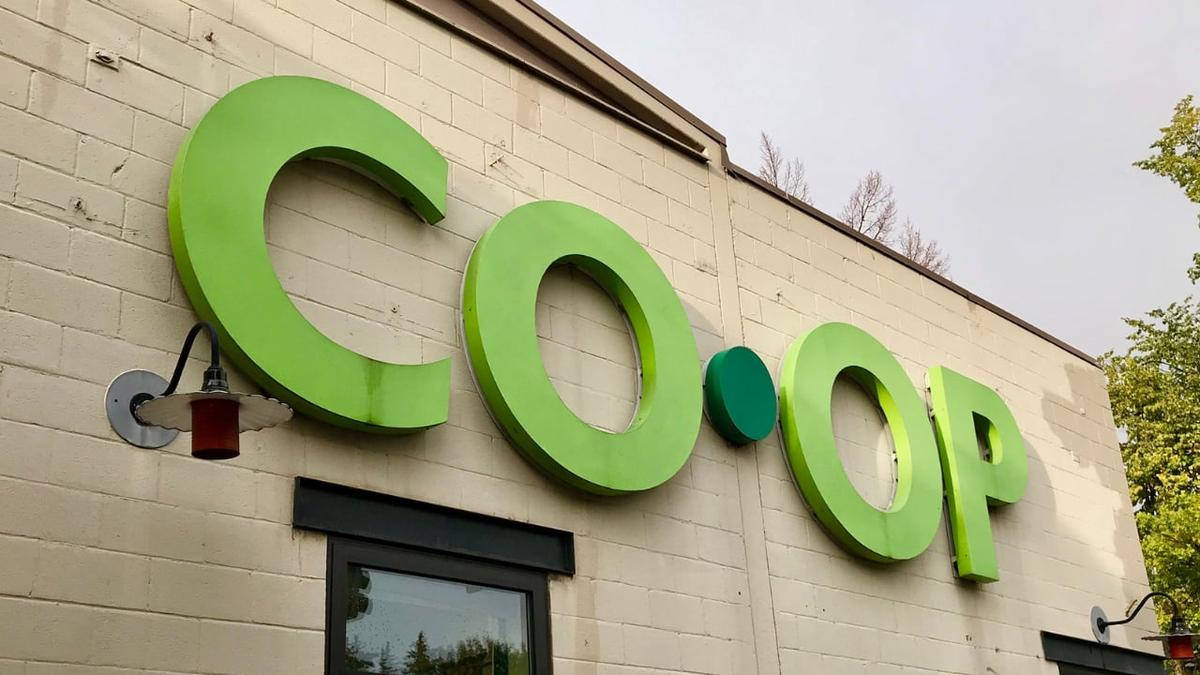
Traditional Grocers Could Learn a Thing or Two From Food Co-Ops
Why It Matters
Co‑ops’ superior local sourcing and faster growth signal a shifting consumer preference toward sustainable, community‑focused retail, creating strategic openings for brands and investors. The stark under‑penetration in dense urban areas underscores a sizable white‑space for expansion.
Key Takeaways
- •Co‑ops source 23% of sales locally vs 2% for chains
- •Average co‑op buys from 187 local suppliers, 4.5× more than grocers
- •Co‑op sales grew 6.2% in 2025, double traditional growth
- •Only three co‑ops serve Chicago’s 10 M‑person metro area
Pulse Analysis
The 2025 Food Co‑op Impact Report from National Co‑op Grocers (NCG) underscores a growing consumer appetite for trustworthy, locally anchored food retail. Co‑ops now account for $2.8 billion in annual sales, with nearly a quarter of that revenue coming from local products—a stark contrast to the 2% figure for conventional supermarkets. Their community‑owned model supports 187 local suppliers on average, funneling money back into regional economies and reinforcing supply‑chain transparency that resonates with health‑ and sustainability‑focused shoppers.
Beyond sourcing, co‑ops outperform traditional grocers on several ethical metrics. Certified organic items represent roughly 38% of co‑op sales versus 25% at chain stores, while Fair Trade products make up 5% of co‑op revenue compared with 3% elsewhere. All locations accept SNAP benefits and 64% provide needs‑based discounts, positioning co‑ops as inclusive food hubs. Growth data shows a 6.2% sales increase in 2025, more than double the 2.9% rise seen in mainstream grocery chains, indicating that the cooperative model is gaining traction among price‑sensitive and environmentally conscious consumers.
The disparity between co‑op presence and population density, exemplified by Chicago’s three stores serving a 10‑million‑person metro area, highlights a clear expansion opportunity. Start‑up food and beverage manufacturers can leverage co‑ops’ emphasis on local, organic, and fair‑trade products to pilot new lines and achieve rapid market adoption. Investors and larger retailers should monitor co‑op growth as a bellwether for broader shifts toward sustainable retail, and consider partnerships or acquisitions to capture the untapped urban demand.
Traditional grocers could learn a thing or two from food co-ops
Comments
Want to join the conversation?
Loading comments...