Trump Reportedly to Sign Orders Aimed at Lowering Beef Prices
Why It Matters
By cutting import tariffs and boosting rancher financing, the orders could ease price pressure on consumers and support a shrinking domestic herd, reshaping the U.S. beef supply chain.
Key Takeaways
- •Trump to sign orders reducing beef import tariffs.
- •SBA to expand loans for U.S. cattle ranchers.
- •Measures also suspend wolf protections and ear‑tag rules.
- •U.S. beef imports expected to hit record levels this year.
Pulse Analysis
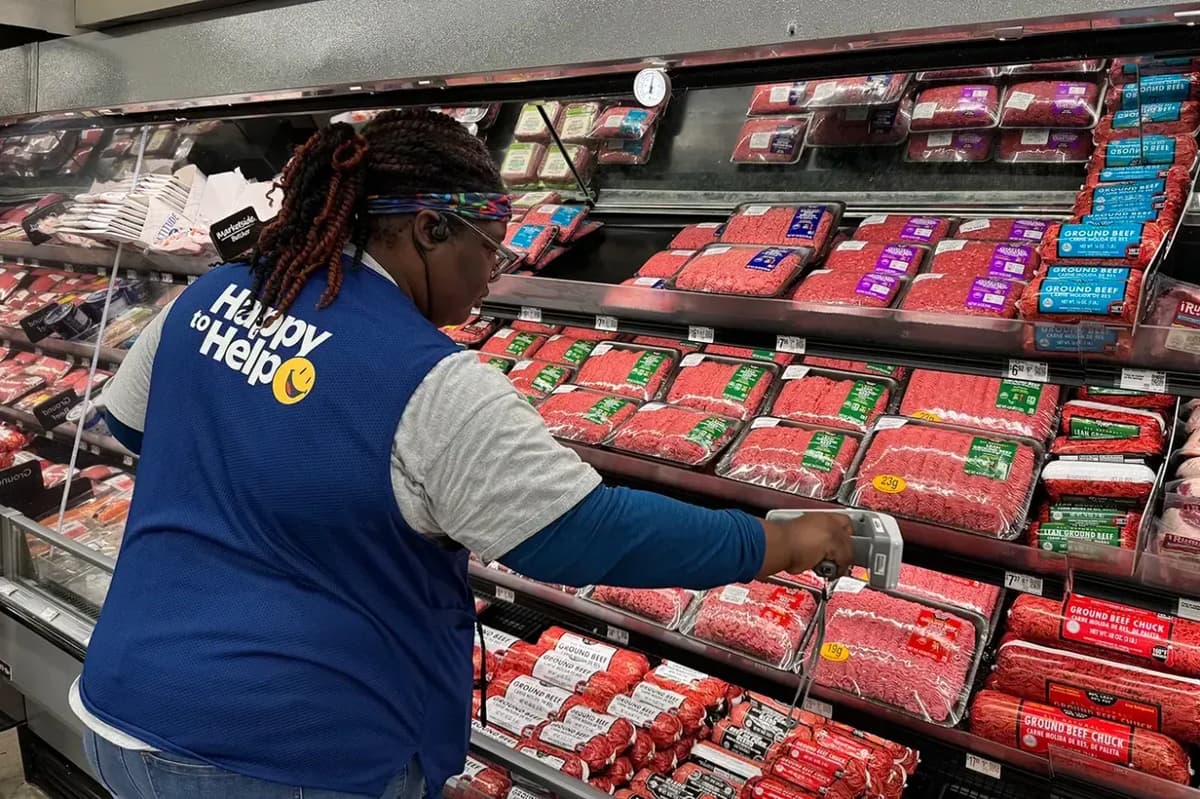
The U.S. beef market has been under pressure as consumer prices hover around $7 per pound, the highest in years, while the national cattle herd has contracted to its lowest level in three-quarters of a century. Rising grocery bills have amplified political scrutiny, prompting the White House to intervene. Reducing the tariff‑rate quota on imports is a classic trade‑policy lever that can quickly lower wholesale costs, especially as the United States prepares to import a record volume of beef from Brazil, Australia, Canada and an expanded Argentine quota.
The second executive order targets the supply side by directing the Small Business Administration to increase loan programs for domestic cattle producers. By easing financing constraints, the administration hopes to encourage herd rebuilding and offset the price shock from tighter supply. Simultaneously, the orders relax federal protections for endangered wolves and suspend mandatory ear‑tagging, measures praised by ranching groups but criticized by environmental advocates. Industry analysts expect the combined tariff relief and credit boost to create a modest price dip within months, though the long‑term impact will depend on how quickly producers can scale operations.
Beyond immediate price effects, the policy shift signals a broader recalibration of U.S. agricultural trade strategy. Favoring imports while supporting domestic producers reflects a hybrid approach aimed at stabilizing consumer markets without abandoning the livestock sector. If successful, the actions could set a precedent for future interventions in other commodity markets facing similar supply‑demand imbalances. Stakeholders will watch closely for any ripple effects on trade negotiations, rural credit markets, and the ongoing debate over wildlife conservation versus agricultural productivity.
Trump reportedly to sign orders aimed at lowering beef prices
Comments
Want to join the conversation?
Loading comments...