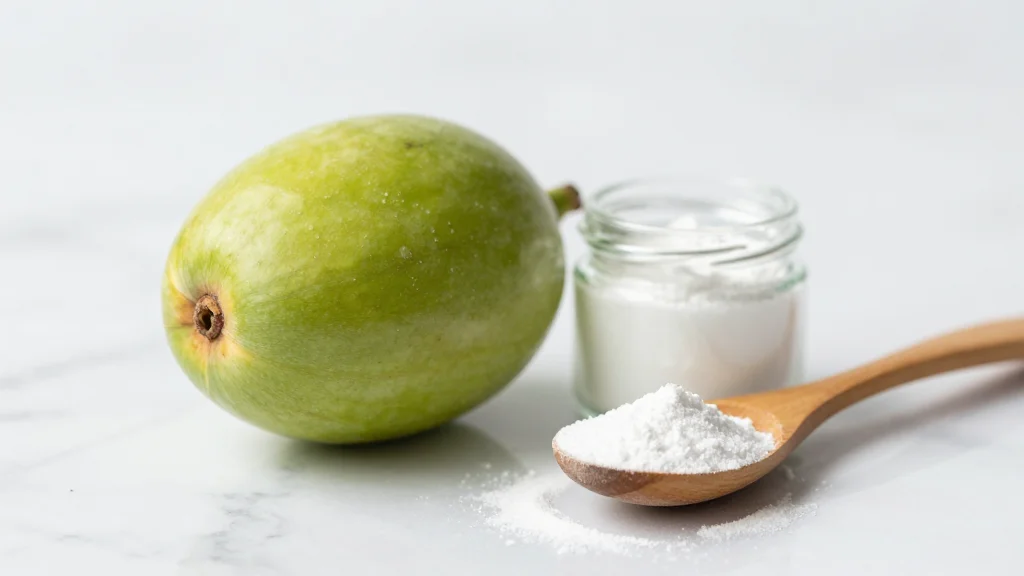
Turns Out, This Subtropical Superfruit May Help Reduce Inflammation and Support Blood Sugar Control
Why It Matters
If the metabolic and anti‑inflammatory benefits hold up in larger trials, monk fruit could reshape sweetener markets and offer a healthier option for diabetics and health‑conscious consumers. Its adoption may also reduce reliance on artificial sweeteners linked to safety debates.
Key Takeaways
- •Monk fruit extract stabilizes post‑meal glucose and insulin levels
- •Mogrosides provide intense sweetness without caloric impact
- •Whole‑fruit preparations may offer anti‑inflammatory benefits
- •Long‑term studies are needed to confirm health outcomes
Pulse Analysis
Monk fruit’s rise reflects a broader consumer shift toward natural, low‑calorie sweeteners that do more than mask bitterness. Unlike sugar, the fruit’s mogrosides deliver sweetness without being metabolized into glucose, which helps keep post‑prandial blood sugar flat. This mechanism has attracted interest from nutritionists and food manufacturers seeking to lower the glycemic load of processed foods while maintaining taste. Recent peer‑reviewed research confirms the antioxidant profile of monk fruit, linking it to reduced oxidative stress—a factor implicated in chronic diseases such as cardiovascular disease and type 2 diabetes.
The distinction between extract and whole‑fruit forms is critical for both efficacy and regulatory labeling. Clinical trials that report improved glucose control typically use purified extracts at doses of 250‑300 mg per day, whereas anti‑inflammatory findings often stem from traditional decoctions that contain a broader spectrum of phytochemicals. This duality creates a nuanced market landscape: manufacturers can market pure extracts as sugar substitutes, while herbal supplement companies may emphasize whole‑fruit preparations for holistic health claims. The FDA’s GRAS status for pure monk fruit extract simplifies product development, but manufacturers must still navigate labeling requirements, especially when blends with erythritol or other sweeteners are involved.
From a business perspective, monk fruit’s potential to replace sugar and synthetic sweeteners could drive significant reformulation across the food and beverage industry. Companies that secure reliable supply chains—primarily from southern China—stand to gain a competitive edge as consumer demand for clean‑label, low‑glycemic products accelerates. However, the current evidence base is limited to short‑term studies; investors and product developers should monitor upcoming long‑term trials that could either validate monk fruit’s health promises or temper market expectations. In the meantime, dietitians recommend modest use of pure monk fruit extract as a safer sugar alternative, especially for individuals managing diabetes or seeking to reduce overall added sugar intake.
Turns Out, This Subtropical Superfruit May Help Reduce Inflammation and Support Blood Sugar Control
Comments
Want to join the conversation?
Loading comments...