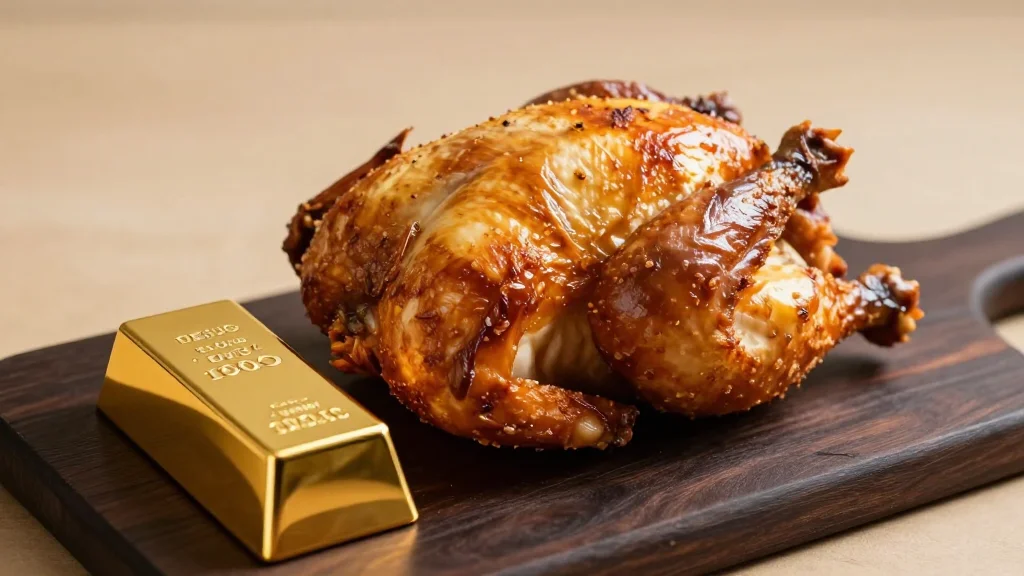
Tyson Foods Upgrades Profit Outlook but Beef Volumes Still Pressured
Companies Mentioned
Why It Matters
The revised outlook underscores Tyson’s ability to offset beef headwinds with chicken strength and operational efficiencies, signaling resilience in a volatile protein market. Investors and suppliers will watch how AI‑enabled innovation and a right‑sized footprint shape profitability going forward.
Key Takeaways
- •Tyson lifts FY2026 adjusted operating profit outlook to $2.2‑$2.4 bn.
- •Chicken segment profit outlook increased by $200 m to $1.9‑$2.05 bn.
- •Beef volumes fell 13.1% YoY, losses now $350‑$500 m.
- •Lexington plant closure and Amarillo scale‑back right‑size beef footprint.
- •AI tools speed innovation, pricing and marketing decisions across portfolio.
Pulse Analysis
Tyson Foods’ latest earnings release highlights a strategic pivot toward higher‑margin chicken while acknowledging persistent challenges in its beef business. Cattle supply constraints have driven a 13.1% drop in beef volumes, pushing projected losses to as much as $500 million. By contrast, chicken sales surged in Q2, allowing the company to add $200 million to its chicken profit outlook and lift the overall operating profit range to $2.2‑$2.4 billion. This divergence illustrates how protein producers are increasingly reliant on poultry to buffer commodity volatility.
To mitigate the beef shortfall, Tyson is reshaping its production footprint. The closure of the Lexington, Nebraska plant and the scaling back of operations in Amarillo, Texas, align capacity with reduced cattle availability, improving utilization rates at remaining facilities. Executives argue that a leaner footprint not only cuts fixed costs but also positions the firm to respond more nimbly to future supply shocks. Such operational discipline is becoming a hallmark of large meat processors seeking to sustain margins amid fluctuating input prices.
Beyond cost management, Tyson is leveraging artificial intelligence to accelerate its innovation pipeline. AI‑driven consumer insights help the company pinpoint emerging taste trends, streamline product development, and fine‑tune pricing and distribution strategies. By integrating these tools across prepared foods, pork and other segments, Tyson aims to translate data into faster time‑to‑market for on‑trend items, bolstering brand relevance. In an industry where consumer preferences shift rapidly, AI could become a decisive competitive advantage, reinforcing Tyson’s growth trajectory despite ongoing beef pressures.
Tyson Foods upgrades profit outlook but beef volumes still pressured
Comments
Want to join the conversation?
Loading comments...