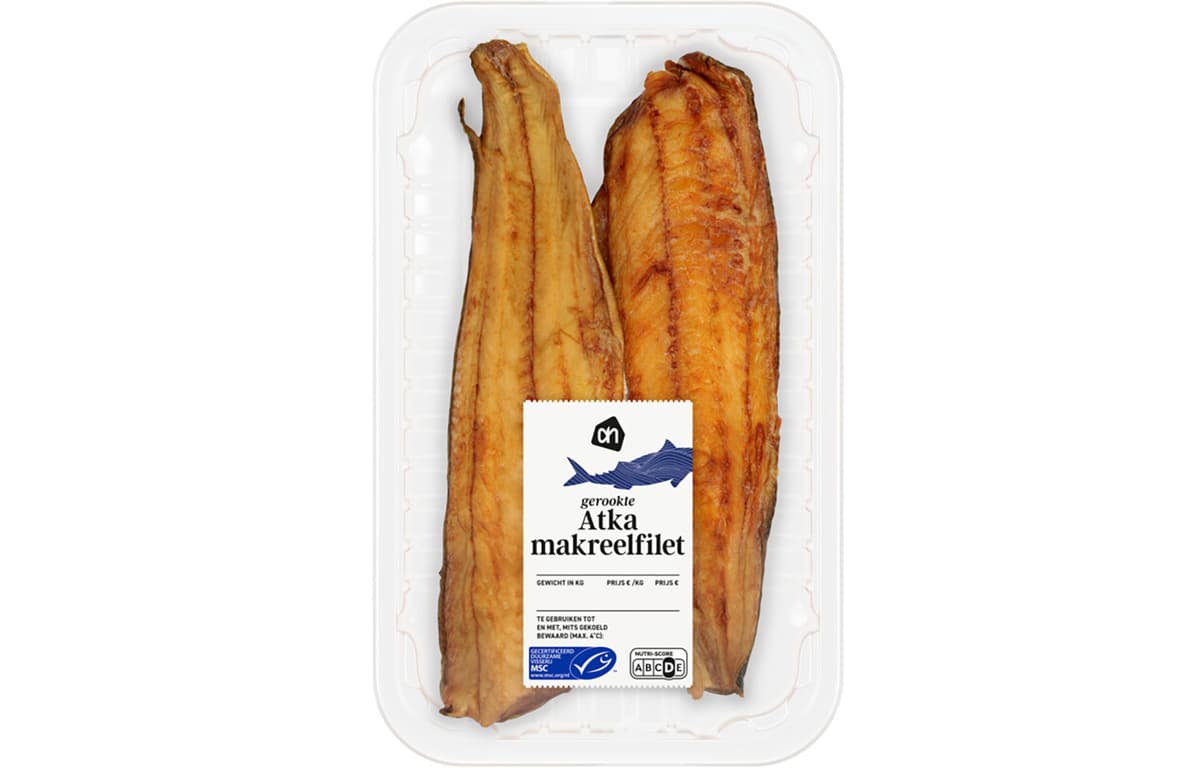
UK, EU Retailers Replacing Northeast Atlantic Mackerel with New Product Ranges
Why It Matters
The pull signals growing retailer pressure on fisheries to meet stricter sustainability criteria, reshaping supply chains for popular pelagic species. It also highlights how divergent quota agreements among coastal nations can trigger market disruptions and affect consumer confidence.
Key Takeaways
- •Waitrose pulls Northeast Atlantic mackerel due to sustainability concerns
- •New range includes MSC‑certified smoked herring, sea bass, and sardines
- •Dutch chains also dropped Atlantic mackerel after Viswijzer red‑listing
- •MSC certification suspended; 2026 quota cut 48% yet above ICES target
- •Industry groups claim ratings ignore recent quota deals and scientific advances
Pulse Analysis
Retailers are increasingly using sustainability certifications as a gatekeeper for seafood, and Waitrose’s decision to pull Northeast Atlantic mackerel underscores that trend. The supermarket cited the fishery’s failure to meet its responsible sourcing criteria, a stance echoed by Dutch chains after Viswijzer’s red listing. By swapping the missing product with MSC‑certified smoked herring, sea bass and sardines, Waitrose not only protects its brand reputation but also steers consumers toward alternatives that carry verified environmental credentials.
The underlying issue stems from a fragmented quota regime in the Northeast Atlantic. Although four coastal nations— the UK, Norway, the Faroe Islands and Iceland—reached a 2026 quota‑sharing agreement, the total allowable catch was cut by 48 percent, well short of the 70 percent reduction urged by the International Council for the Exploration of the Sea (ICES). MSC certification for the fishery has remained suspended since 2019, reflecting persistent concerns over over‑fishing and the lack of a unified quota allocation among all stakeholders, including the EU and Greenland. Industry groups argue that recent scientific progress and the new quota arrangement merit a reassessment of the fishery’s rating.
For the market, the fallout translates into shifting supply chains and price dynamics. Substitutes such as smoked herring and sardines are now gaining shelf space, while premium products like North Pacific Atka mackerel command higher price points. Consumer confidence hinges on transparent sourcing, and continued divergence in quota negotiations could prompt further removals across Europe. Monitoring how regulators align scientific advice with policy will be crucial for restoring mackerel’s market presence and ensuring a stable, sustainable supply of affordable protein.
UK, EU retailers replacing Northeast Atlantic mackerel with new product ranges
Comments
Want to join the conversation?
Loading comments...