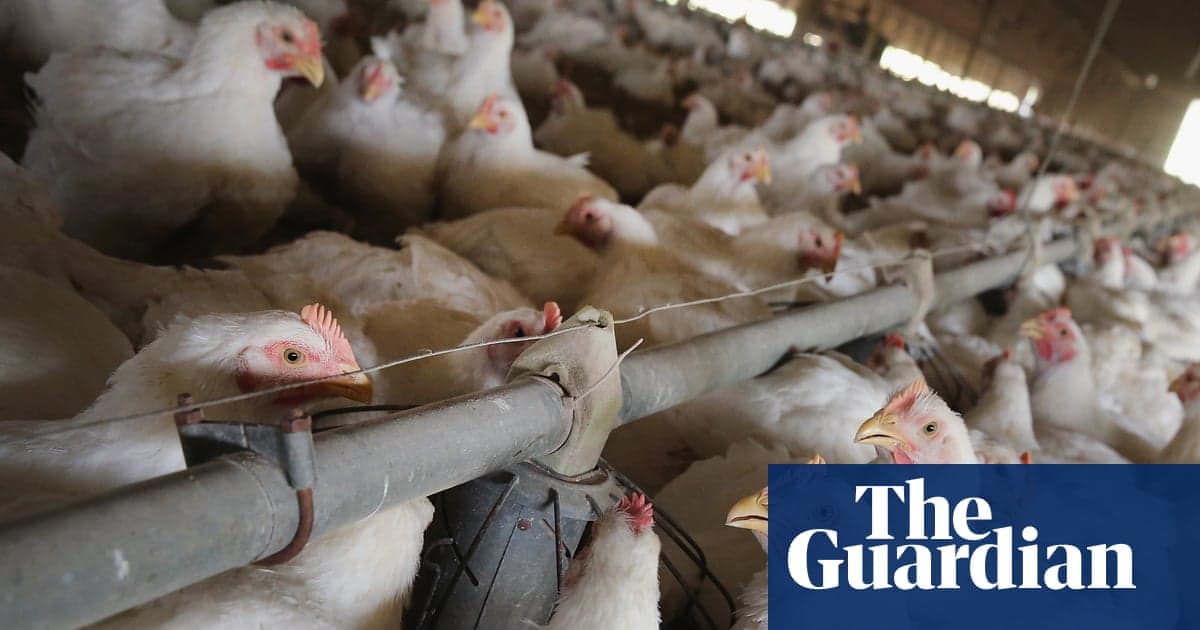
UK Looked at Ways to ‘Open Doors’ to US Chlorinated Chicken, FoI Request Shows
Why It Matters
The episode exposes a gap between public assurances and behind‑the‑scenes trade negotiations, risking erosion of the UK’s high‑food‑safety reputation and sparking political backlash.
Key Takeaways
- •UK officials explored legal path for chlorine‑washed chicken imports.
- •Trade talks with US pressured UK to relax EU‑style food standards.
- •FSA reviewing US studies on bacteriophage and chlorine dioxide treatments.
- •Government maintains public stance of “no plans” to change standards.
- •Consumer groups warn against lowering safety guarantees for poultry.
Pulse Analysis
The United Kingdom’s food safety regime has long mirrored the European Union’s ban on chlorine‑washed poultry, a rule introduced in 1997 to prevent low‑cost decontamination from masking poor hygiene. In the United States, producers routinely rinse chicken carcasses with chlorine or other disinfectants, a practice championed by American agribusiness as a cost‑effective pathogen control. As the UK negotiates a post‑Brexit trade deal with Washington, the disparity has become a flashpoint, with the Trump administration urging London to accept “all meat” from American farms.
Freedom‑of‑information filings obtained by the advocacy group 38 Degrees reveal that senior officials at Defra prepared briefing papers for a December 2025 meeting with the US embassy, outlining how existing UK hygiene legislation could be amended to authorise chlorine or bacteriophage treatments. The Food Standards Agency is simultaneously reviewing American research on chlorine dioxide and viral‑based decontamination, with draft reports slated for publication in May. While ministers publicly reiterate that “no plans” exist to lower standards, the documents suggest a procedural pathway that could be activated if political pressure intensifies.
Consumer organisations and food‑safety advocates argue that any relaxation would erode the “cast‑iron guarantee” of British standards and could expose shoppers to higher rates of Campylobacter infection. The controversy also highlights the broader tension between trade liberalisation and domestic regulatory sovereignty that has defined recent UK‑EU and UK‑US negotiations. If the government were to pursue a rule change, it would need to survive parliamentary scrutiny and possible legal challenges, while balancing market access benefits against public health concerns. The episode underscores how trade diplomacy can surface hidden policy options, even when officials publicly deny them.
UK looked at ways to ‘open doors’ to US chlorinated chicken, FoI request shows
Comments
Want to join the conversation?
Loading comments...