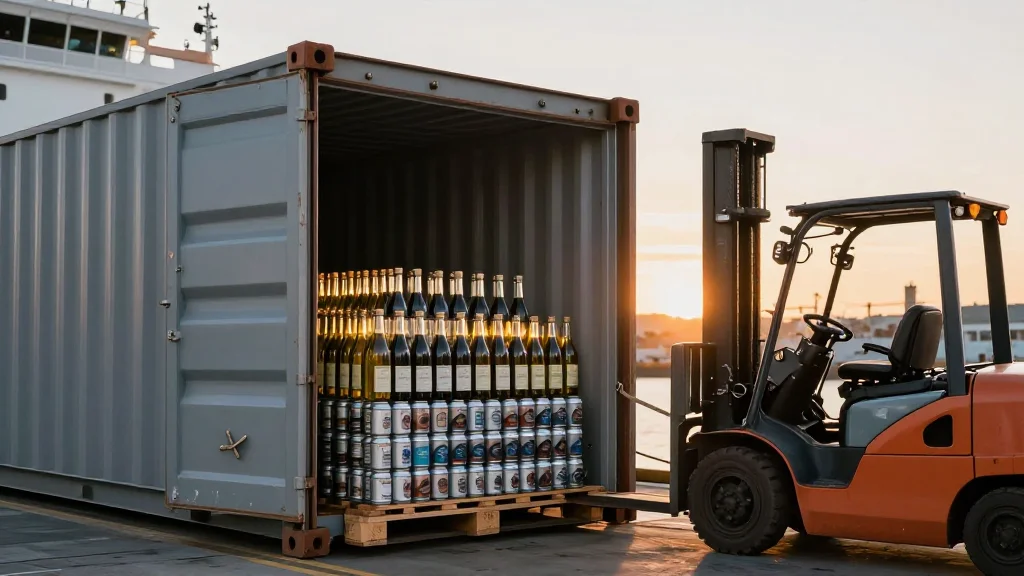
US Alcohol Importers Managing Shifting Consumption Habits
Why It Matters
The sharp drop in imports signals a fundamental change in U.S. drinking habits, forcing distributors, ports and producers to rethink supply‑chain economics and pricing models.
Key Takeaways
- •Containerized wine, beer, spirits imports dropped 4.9% in 2025.
- •Q1 2026 saw an additional 16.1% decline in imports.
- •U.S. drinkers favoring alternative shipping methods drive shifts.
- •Importers re‑evaluating trade lanes to align with new tastes.
- •Volatile year pressures pricing and inventory strategies for distributors.
Pulse Analysis
Consumer preferences in the United States are evolving faster than the traditional import model can accommodate. Millennials and Gen Z are gravitating toward ready‑to‑drink cocktails, low‑alcohol alternatives, and locally sourced craft beverages, often purchased through e‑commerce platforms that favor smaller, more frequent shipments. This shift reduces the reliance on large, container‑based imports and explains the 4.9% decline recorded in 2025. As taste profiles diversify, importers must pivot toward niche portfolios and agile fulfillment methods to stay relevant in a market that values convenience and novelty.
Logistically, the dip in containerized volumes is prompting a reassessment of freight strategies. Importers are increasingly turning to rail intermodal services, short‑sea routes, and even direct truck deliveries to bypass congested ports and reduce dwell time. These alternative lanes can lower costs and improve responsiveness, but they also require new partnerships and technology investments. Ports on the East Coast, historically the primary gateway for European wines, are seeing reduced berth utilization, while Gulf and West Coast terminals explore capacity for emerging trade corridors from South America and the Pacific Rim.
Looking ahead, the industry’s resilience will hinge on data‑driven forecasting and flexible inventory models. Importers are adopting predictive analytics to anticipate demand spikes tied to seasonal events and emerging trends, allowing them to adjust orders before a full container load is needed. Collaboration with domestic producers may also offset import shortfalls, creating hybrid supply chains that blend local and foreign offerings. Companies that embrace these innovations are better positioned to navigate the ongoing volatility and capture growth in a reshaped U.S. alcohol market.
US alcohol importers managing shifting consumption habits
Comments
Want to join the conversation?
Loading comments...