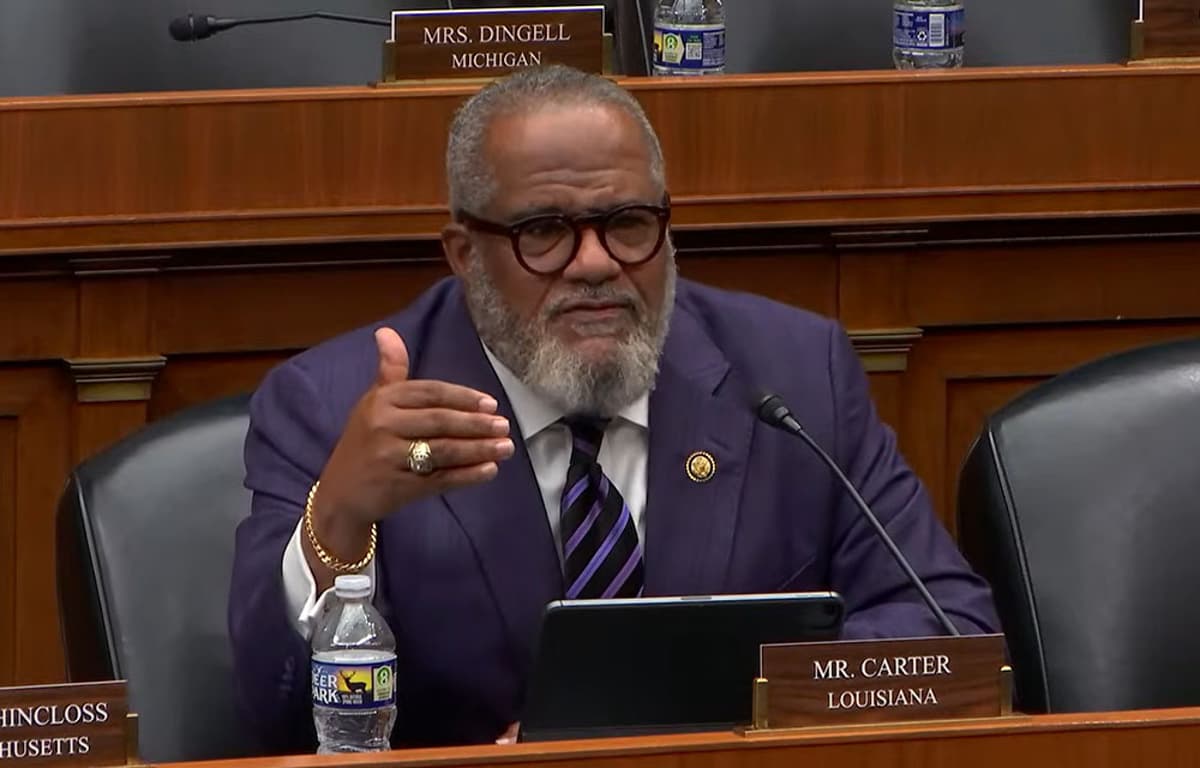
US Congressional Committee Holds Hearing on Equivalency Standards for Foreign Shrimp
Why It Matters
By imposing uniform safety standards, the bill aims to protect American consumers from potentially unsafe shrimp while safeguarding U.S. shrimpers from unfair price competition. It also signals a shift toward stricter import oversight that could affect broader seafood trade.
Key Takeaways
- •Safer Shrimp Imports Act mandates FDA-equivalent standards for foreign shrimp
- •Bill targets 90% of U.S. shrimp consumption sourced abroad
- •Equivalency would require foreign facilities to sign inspection agreements with FDA
- •Industry groups praise level playing field for U.S. fishermen
Pulse Analysis
The Safer Shrimp Imports Act resurfaced in a House Energy and Commerce hearing after nearly a year of legislative limbo, reflecting growing bipartisan concern over food safety gaps in seafood imports. While the USDA already applies equivalency standards to catfish, shrimp—accounting for roughly 90 percent of U.S. consumption—has remained largely unregulated at the border. Lawmakers argue that the FDA’s limited resources are stretched thin, and a pre‑import inspection regime would shift the burden from reactive border checks to proactive compliance overseas. The hearing featured testimony from Rep. Troy Carter and industry advocates who framed the measure as both a consumer‑health safeguard and a protection for rule‑abiding domestic fishermen.
If enacted, the act would compel foreign shrimp producers to either secure formal inspection agreements with the FDA or demonstrate that their own safety systems match U.S. requirements. This could streamline the FDA’s oversight by focusing on verified facilities rather than chasing unsafe shipments after they arrive. For U.S. shrimpers, especially those in Gulf and Atlantic regions, the legislation promises a more equitable market where imported shrimp cannot undercut prices by sidestepping rigorous testing. The potential trade impact is significant: exporters from major shrimp‑producing nations such as India, Ecuador and Vietnam may need to invest in upgraded processing plants or third‑party certification to retain access to the lucrative American market.
Beyond shrimp, the bill could set a precedent for extending equivalency standards to other high‑volume seafood categories, reshaping the regulatory landscape for global food imports. Policymakers are watching the balance between protecting public health and avoiding trade barriers that could provoke retaliatory measures. As the Senate weighs related food‑safety proposals, the Safer Shrimp Imports Act illustrates a broader trend toward harmonizing international food safety standards, a development that could influence supply‑chain strategies across the entire seafood industry.
US congressional committee holds hearing on equivalency standards for foreign shrimp
Comments
Want to join the conversation?
Loading comments...