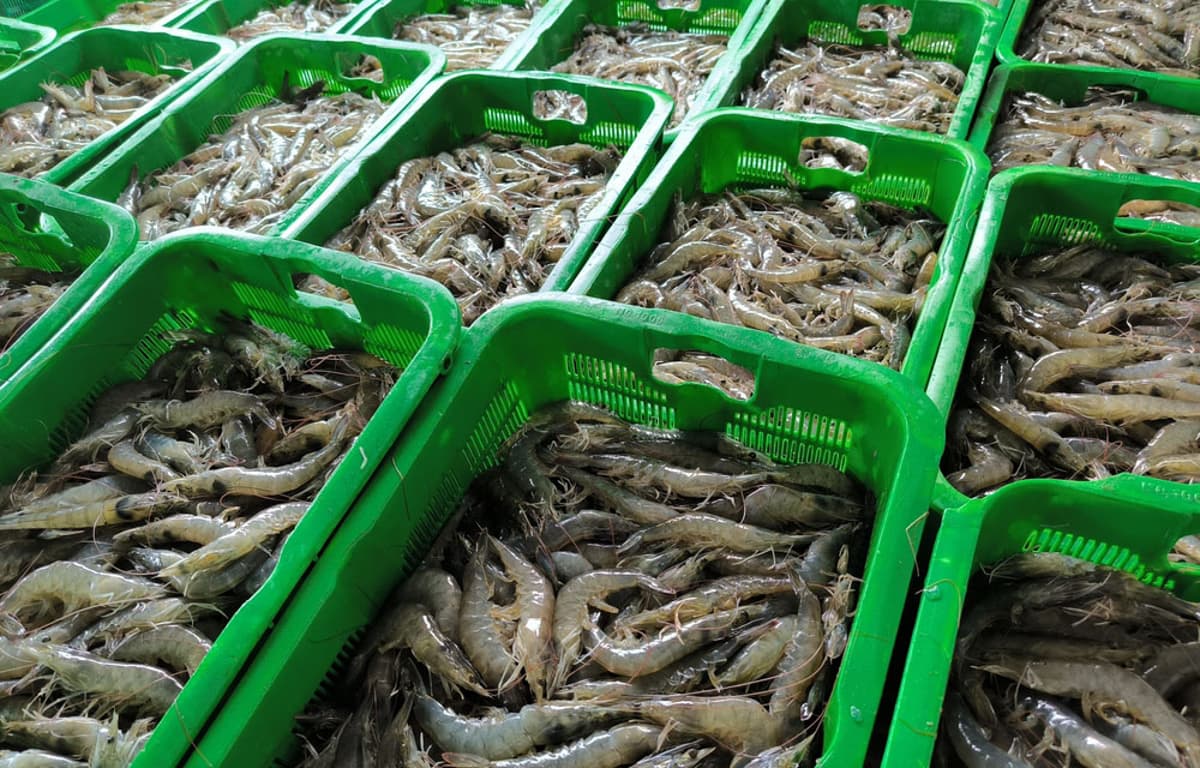
US Lawmakers Request Broad Section 301 Investigation Into Foreign Seafood
Why It Matters
A Section 301 probe could impose tariffs or remedial measures that protect U.S. fishermen and aquaculture producers, preserving domestic jobs and food security. It also signals a shift toward more aggressive trade enforcement in a sector vulnerable to subsidies, unsafe imports, and labeling fraud.
Key Takeaways
- •Lawmakers request Section 301 probe covering 20+ seafood‑exporting nations
- •USTR launched investigations into 16 countries affecting U.S. seafood imports
- •Industry groups back the probe, citing subsidies and unsafe imports
- •Potential tariffs could reshape global seafood supply chains
- •Domestic fisheries risk loss without trade remedy actions
Pulse Analysis
The Section 301 authority, part of the Trade Act of 1974, allows the United States to retaliate against foreign trade practices deemed unfair. After the Supreme Court struck down the Trump administration’s use of the International Emergency Economic Powers Act, the Biden administration signaled a pivot to Section 301 to pursue the same aggressive trade agenda. This legal shift gives policymakers a fresh lever to address grievances that were previously off‑limits, setting the stage for a new wave of investigations across multiple sectors, including seafood.
For the U.S. seafood industry, the stakes are high. Producers argue that foreign subsidies, illegal, unreported and unregulated (IUU) fishing, false species labeling, and the use of banned antibiotics depress domestic prices and jeopardize consumer safety. The bipartisan letter cites a laundry list of concerns—from labor abuses to environmental damage—that could be examined under a Section 301 inquiry. If tariffs or other remedies are imposed, importers may face higher costs, potentially driving up retail prices but also leveling the playing field for American fishermen and aquaculture farms that have struggled to compete with heavily subsidized foreign products.
Politically, the request enjoys rare bipartisan support, with 20 House members signing on and a coalition of industry groups ranging from the Southern Shrimp Alliance to the Oregon Trawl Commission. The outcome could reverberate beyond seafood, signaling to other sectors that the USTR is prepared to wield Section 301 more broadly. Should the investigation lead to duties on key exporters, global supply chains may be reshaped, prompting foreign producers to adjust pricing, production practices, or seek alternative markets. For U.S. coastal communities, the move represents a potential lifeline to preserve jobs, sustain rural economies, and ensure a reliable domestic source of protein.
US lawmakers request broad Section 301 investigation into foreign seafood
Comments
Want to join the conversation?
Loading comments...