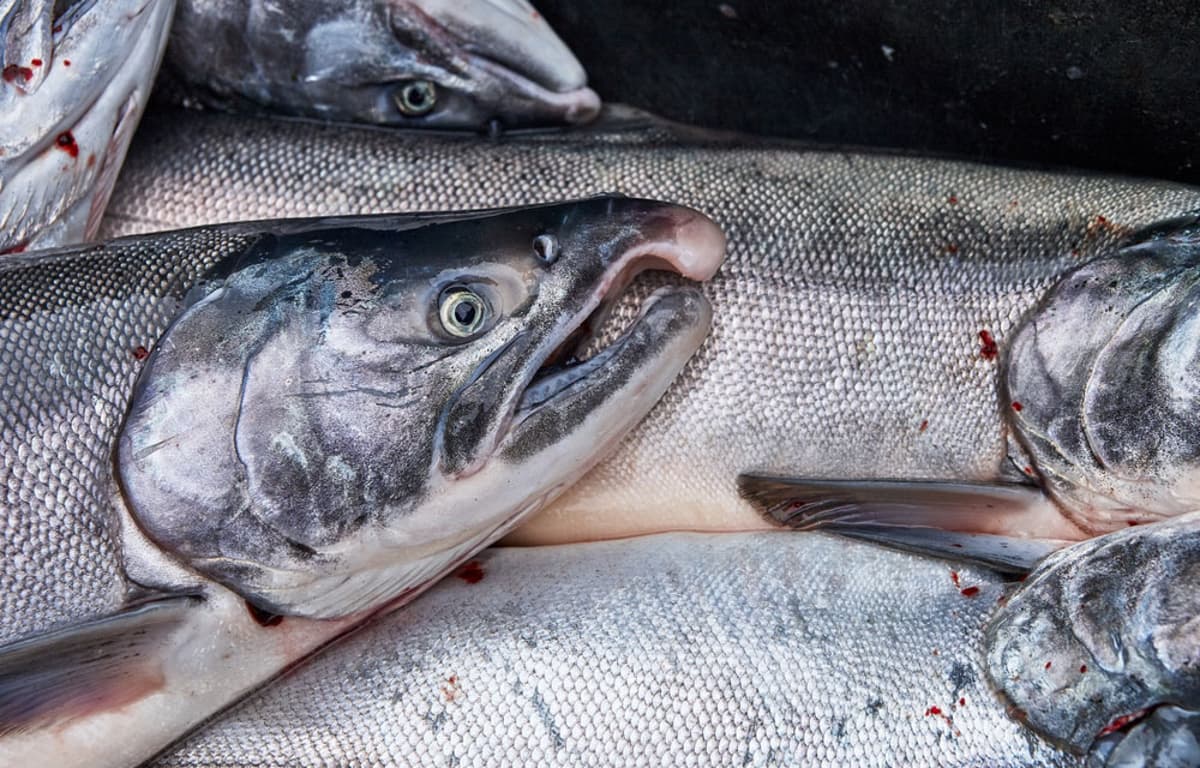
US Seafood Sector Raises Issues with EU CATCH Requirements
Why It Matters
If the current CATCH requirements stand, Alaska could lose a major export market, threatening jobs and revenue in the U.S. salmon industry while testing the flexibility of global traceability standards.
Key Takeaways
- •EU CATCH may effectively ban Alaskan salmon exports
- •1,600 small boats harvest ~40 million salmon in six weeks
- •Documentation deadline July 1 falls mid‑season, adding burden
- •Industry seeks 18‑month grace period or tender‑based reporting
- •U.S. and EU negotiations ongoing to adapt traceability rules
Pulse Analysis
The European Union’s CATCH system, approved in 2023 and fully operational by July 2026, is designed to give consumers a digital view of where imported seafood originates. By mandating vessel‑level signatures, gear details and end‑use specifications, the platform promises to curb illegal, unreported and unregulated (IUU) fishing and boost market confidence. While the initiative aligns with broader sustainability goals, its one‑size‑fits‑all approach collides with the fragmented nature of some supply chains, especially in regions where dozens of small boats aggregate catches before processing.
In Alaska, the commercial salmon fishery relies on roughly 1,600 small‑boat operators that deliver up to 40 million fish within a six‑ to eight‑week window, chiefly in Bristol Bay. The current CATCH draft would require each vessel to generate a signed electronic record for every batch, a task that is logistically impossible during a season that runs from late May to early July. Moreover, the regulation asks exporters to declare the precise downstream use of the fish, a detail that many raw‑material sellers cannot provide. The result is a looming risk of export bans to the EU market.
Industry groups, including the National Fisheries Institute and the At‑Sea Processors Association, have petitioned the EU for an extended grace period and for tender operators to serve as the primary reporting point. A proposed 18‑month extension would give Alaska’s processors time to develop digital tools and align documentation with existing logistics. Federal officials, represented by NOAA’s Stéphane Vrignaud, say they are actively negotiating with European regulators to tailor CATCH to North American realities. The outcome will shape not only Alaska’s salmon outlook but also set a precedent for how traceability standards accommodate diverse fisheries worldwide.
US seafood sector raises issues with EU CATCH requirements
Comments
Want to join the conversation?
Loading comments...