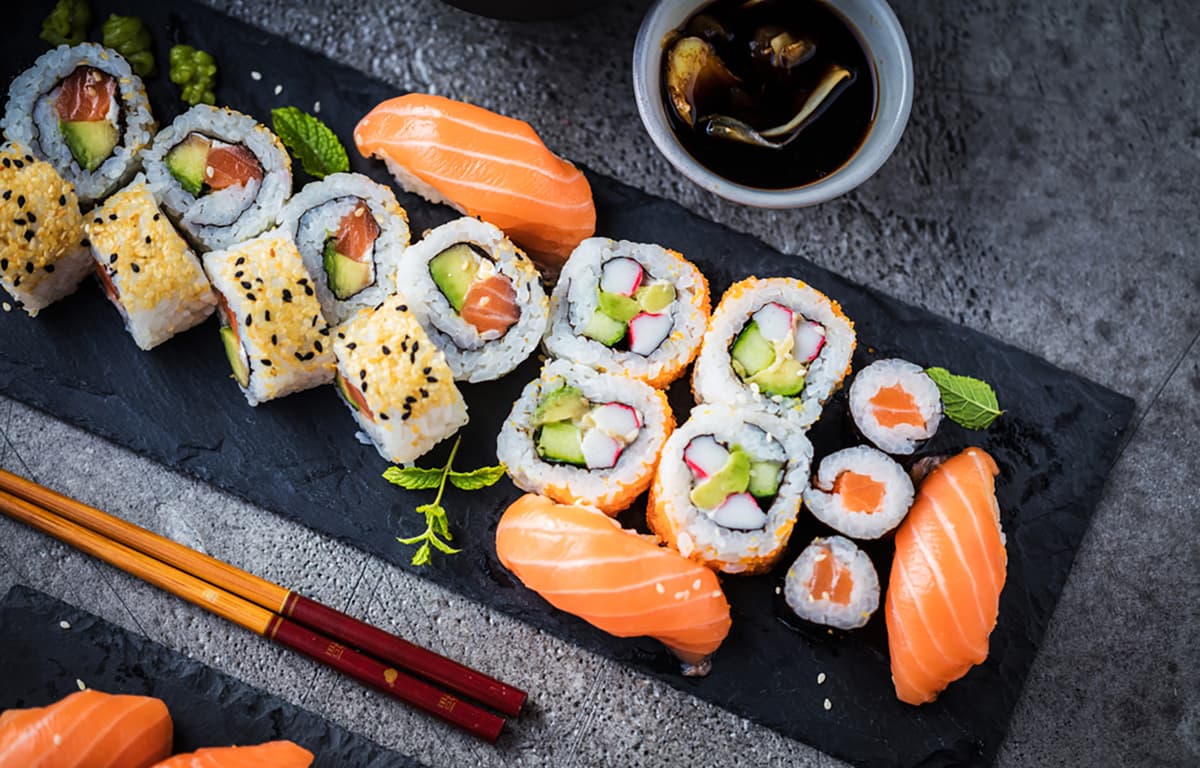
US Sushi Industry Soars to USD 22 Billion Valuation with Little Signs of Slowing, NFI Sushi Council Report Finds
Why It Matters
Sushi’s rapid mainstream adoption is reshaping U.S. seafood consumption, unlocking new revenue streams for foodservice operators and retailers while creating distribution opportunities for seafood suppliers.
Key Takeaways
- •US sushi market reaches $22 B, driven by Gen Z and millennials
- •Restaurant sales account for $16 B, with 16,000 dedicated sushi venues
- •Sushi kiosks total 12,500, yet only 2% of Walmart stores have them
- •Kura Sushi Q2 U.S. sales jump to $80 M, up 23% YoY
- •Retail sushi sales grow 7.9% YoY to $3.9 B, showing strong demand
Pulse Analysis
The surge of sushi in the United States reflects a broader shift toward protein‑rich, low‑carb dining that resonates with health‑conscious younger consumers. By positioning sushi as both a convenient grab‑and‑go option and a premium dining experience, brands have tapped into a demographic that values global flavors without sacrificing speed. This demographic momentum has translated into a $22 billion market, dwarfing traditional seafood categories and signaling a lasting change in American palate preferences.
Beyond restaurants, the retail landscape is rapidly adapting. With more than 12,500 sushi kiosks now operating—primarily in grocery stores—retailers are capitalizing on impulse purchases and the growing demand for ready‑to‑eat seafood. However, penetration remains shallow: only about 2% of Walmart locations and 1% of Costco stores feature sushi kiosks, leaving substantial white space for expansion. Corporate cafeterias, university campuses, and hospitals also present untapped opportunities, as current kiosk presence in these venues hovers below 20%.
Japanese firms are leading the charge, leveraging technology and strategic acquisitions to cement their foothold. Kura Sushi’s recent U.S. sales jump to $80 million, driven by an 8.6% comparable sales increase, underscores the scalability of its automated, robot‑assisted service model. Meanwhile, Zensho Holdings and Sojitz are deploying kiosk networks across supermarkets and institutional settings, positioning sushi as a staple convenience item. As these operators expand, they will likely stimulate demand across the entire seafood supply chain, prompting U.S. fisheries and processors to adapt to higher volume, higher‑frequency orders, and potentially reshaping pricing dynamics in the broader seafood market.
US sushi industry soars to USD 22 billion valuation with little signs of slowing, NFI Sushi Council report finds
Comments
Want to join the conversation?
Loading comments...