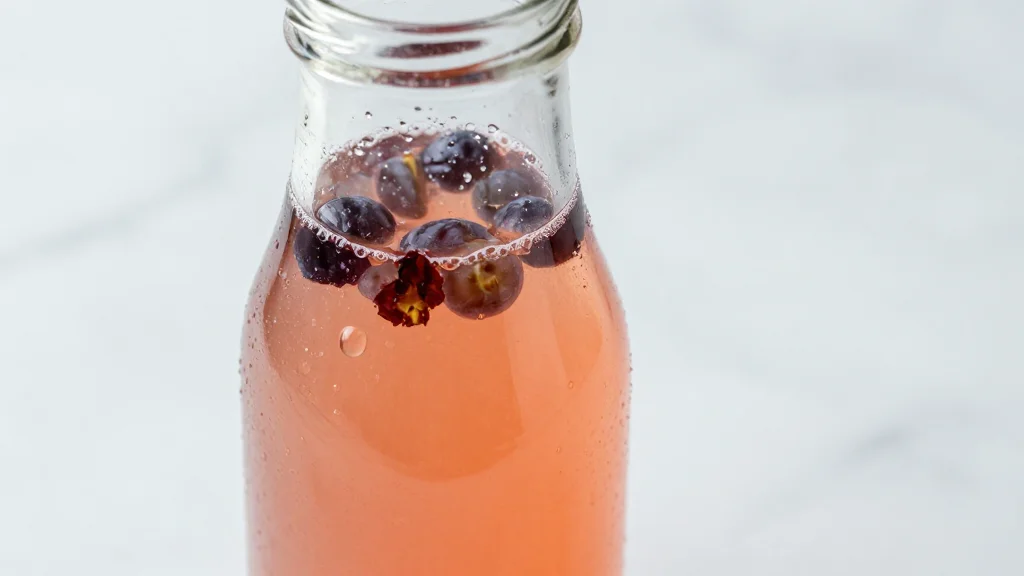
Valorization of Wine Industry By-Products as a Flavoring Agent in Water Kefir: Microbiological Viability and Functional Properties
Why It Matters
The work turns a high‑volume wine waste into a market‑ready, health‑focused beverage, supporting circular‑economy goals and expanding the plant‑based probiotic segment.
Key Takeaways
- •25% grape pomace yields stable probiotic water kefir.
- •Phenolic content peaks at 3.13 mg mL⁻¹ with 50% pomace.
- •Yeast and AAB reach ~10⁷ CFU mL⁻¹; LAB stay below 10⁵.
- •Sensory acceptance index 76% and 65% purchase intention.
- •C. elegans tests show no effect on lifespan or stress.
Pulse Analysis
The surge in plant‑based functional drinks reflects consumer demand for clean‑label, probiotic products that also address sustainability. By integrating grape pomace—a by‑product of Brazil’s 378,000‑ton wine sector—into water kefir, the researchers created a beverage that leverages the high polyphenol and fiber content of the residue. This approach not only reduces waste disposal challenges but also aligns with UN Sustainable Development Goals on circular economies, offering a low‑cost, nutritionally enriched ingredient that can be sourced locally.
From a microbiological perspective, the study highlights the delicate balance required to maintain probiotic viability in a phenolic‑rich matrix. While acetic‑acid bacteria and yeasts thrived at concentrations around 10⁷ CFU mL⁻¹, lactic‑acid bacteria were suppressed by the antimicrobial properties of grape phenolics. The 25% pomace formulation achieved the target probiotic load without excessive acidification, a common hurdle in fermented non‑dairy beverages. This finding underscores the importance of optimizing substrate ratios to preserve functional cultures while delivering bioactive compounds.
Market implications are significant. The K25 beverage recorded a 76% sensory acceptance index and a 65% purchase intention among a diverse panel, indicating strong consumer appeal. Coupled with the demonstrated safety in C. elegans models—showing no impact on longevity, stress resistance, or lipid accumulation—the product positions itself as a viable commercial alternative to dairy kefir. Future scaling will need to address pomace variability, standardize fermentation kinetics, and ensure consistent phenolic bioavailability, but the study provides a compelling blueprint for turning agro‑industrial waste into profitable, health‑focused innovations.
Valorization of wine industry by-products as a flavoring agent in water kefir: microbiological viability and functional properties
Comments
Want to join the conversation?
Loading comments...