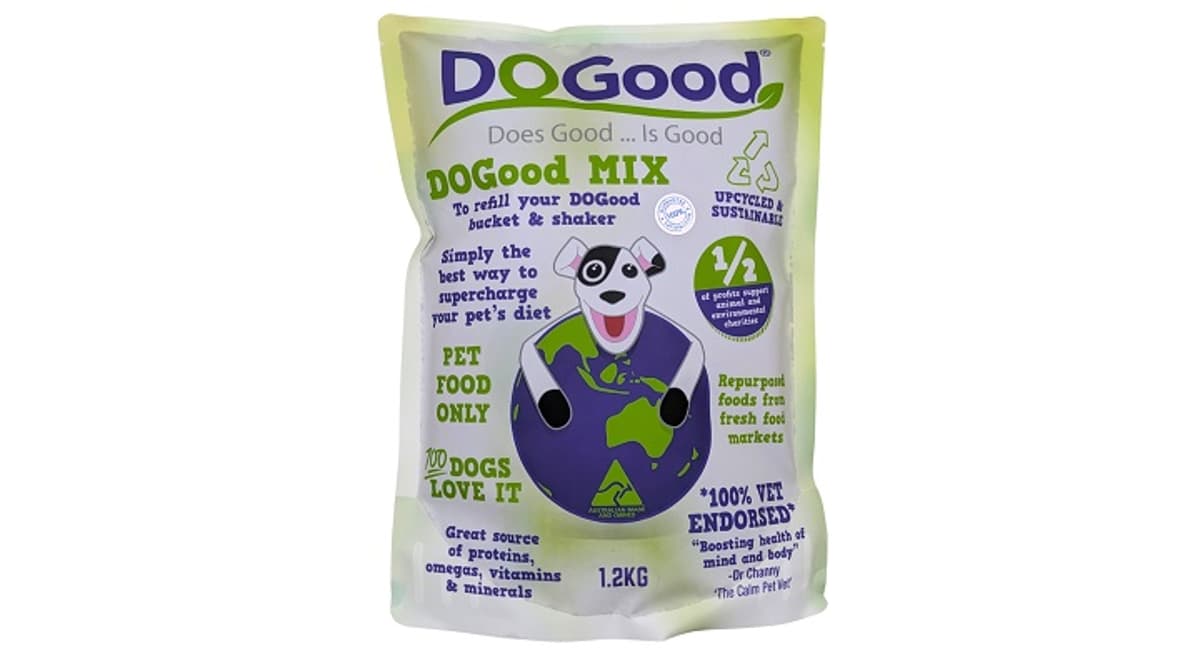
Wagalot Launches Dog Food Range Made From Surplus Produce
Why It Matters
The launch demonstrates how pet‑food manufacturers can turn food waste into revenue, aligning profit with ESG goals and opening a scalable model for broader waste‑reduction across supply chains.
Key Takeaways
- •Dogood converts up to 10 kg surplus produce per kilogram made
- •Production uses Eco Guardians’ on‑site dehydration at Prahran Market
- •Half of Dogood profits will fund animal and environmental charities
- •Initiative creates a closed‑loop system, cutting landfill waste
- •Model could be replicated across Australian markets to curb food waste
Pulse Analysis
The pet‑food sector is increasingly pressured to adopt sustainable sourcing, as consumers demand products that are both nutritious and environmentally responsible. Food waste remains a critical issue in Australia, with an estimated 7.3 million tonnes discarded annually, much of it ending up in landfill and generating methane emissions. Brands that can demonstrate tangible waste‑reduction measures are gaining a competitive edge, especially as retailers and investors prioritize ESG performance.
Wagalot’s Dogood line tackles the problem at its source by partnering with Eco Guardians, which operates a mobile dehydration unit directly inside Prahran Market. This on‑site processing eliminates the need for long‑distance transport, preserving the nutritional value of surplus fruits and vegetables while converting them into high‑protein, vet‑endorsed dog treats. For every kilogram of Dogood produced, up to ten kilograms of otherwise unusable produce are diverted from landfill, translating into measurable carbon‑footprint savings. The profit‑sharing pledge further reinforces the brand’s commitment to social impact, directing funds to animal welfare and environmental charities.
If replicated, this closed‑loop model could reshape supply‑chain dynamics across Australia’s food and pet‑care industries. Scaling the technology to other markets would amplify waste diversion, lower disposal costs, and create new revenue streams for producers facing surplus challenges. Moreover, the initiative aligns with growing investor interest in circular‑economy solutions, positioning Wagalot as a pioneer at the intersection of pet nutrition, sustainability, and social responsibility. As consumer awareness deepens, brands that embed waste‑to‑value strategies are likely to capture market share and drive industry standards forward.
Wagalot launches dog food range made from surplus produce
Comments
Want to join the conversation?
Loading comments...