Wakefern Food Corp. Welcomes Earth Month Challenge
Companies Mentioned
Why It Matters
The challenge mobilizes a nationwide retail network to cut waste and emissions, reinforcing ShopRite’s brand as a sustainability leader and strengthening community trust. It also creates measurable environmental benefits that can be scaled across the grocery sector.
Key Takeaways
- •ShopRite stores launch four‑week Earth Month Challenge focusing on recycling, energy, community
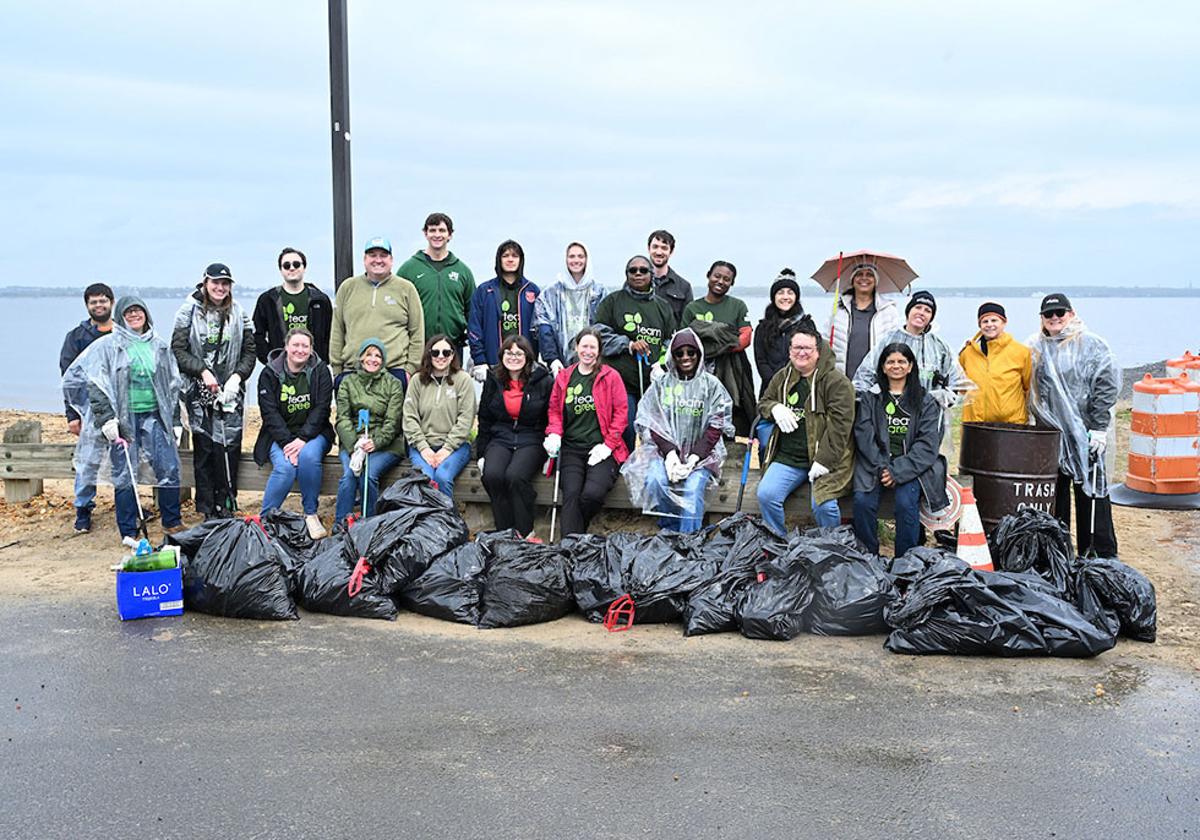
- •Volunteer cleanup held April 22 at Old Bridge Waterfront Park, NJ
- •Stores encouraged to improve recycling accuracy with signage audits and staff training
- •Waste diversion week promotes food composting, donations to local hunger‑relief groups
Pulse Analysis
Sustainability has become a competitive differentiator for grocery retailers, and Wakefern’s Earth Month Challenge illustrates how a cooperative model can drive coordinated action. By framing eco‑friendly practices as weekly themes—recycling, energy conservation, community engagement, and waste diversion—ShopRite stores receive clear, actionable goals that align with both corporate ESG targets and local consumer expectations. The April 22 beach cleanup in Laurence Harbor not only provided immediate environmental benefit but also served as a visible rallying point for employees and shoppers, reinforcing the narrative that everyday choices matter.
The challenge’s emphasis on recycling accuracy and signage audits addresses a common pain point in retail waste streams: contamination that undermines recycling efficiency. Training Green Teams to conduct audits and educate customers can improve diversion rates, translating into cost savings on waste disposal and potential revenue from recyclable materials. Simultaneously, energy‑saving measures—such as optimizing refrigeration and reducing unnecessary lighting—target one of the highest operational expense categories for supermarkets, offering a clear path to lower utility bills while cutting carbon footprints.
Beyond immediate operational gains, Wakefern’s focus on food‑waste diversion taps into a broader industry shift toward circular food systems. By encouraging composting and partnerships with hunger‑relief agencies, stores not only reduce landfill methane emissions but also strengthen community ties and brand loyalty. The initiative’s four‑week cadence creates momentum that can be measured and reported, providing valuable data for ESG disclosures and future sustainability planning across the cooperative’s 350+ locations.
Wakefern Food Corp. Welcomes Earth Month Challenge
Comments
Want to join the conversation?
Loading comments...