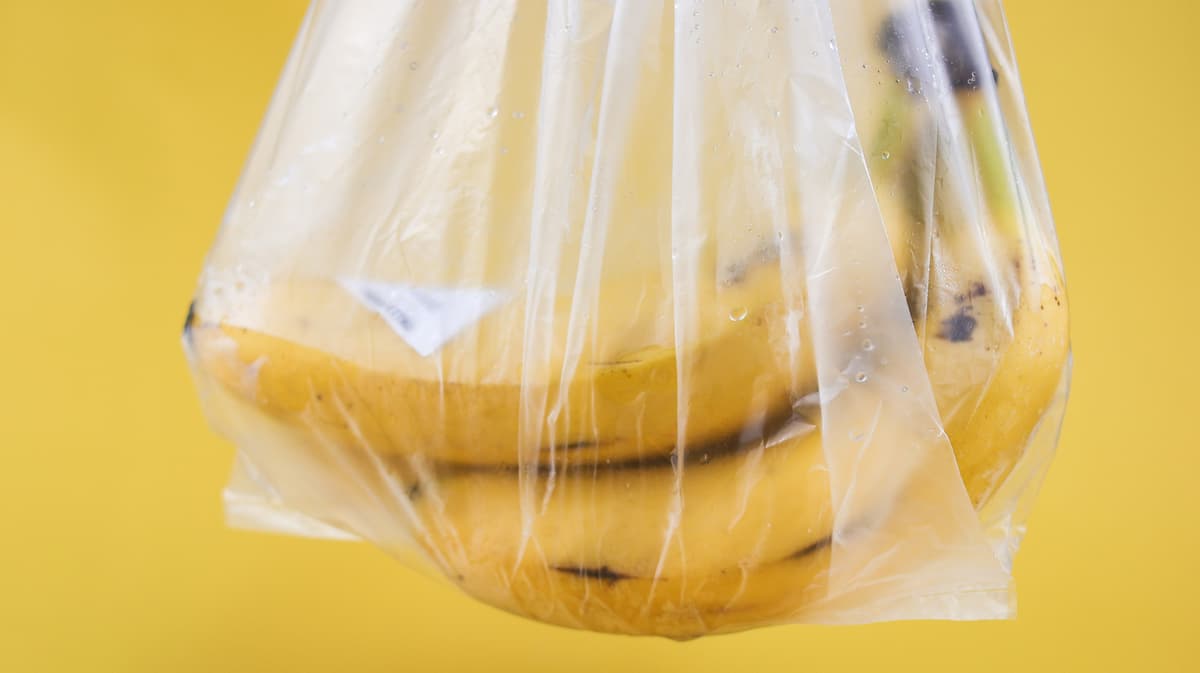
What Are Banana Bags, And Do They Actually Extend The Fruit's Shelf Life?
Companies Mentioned
Why It Matters
If banana bags reliably extend shelf life, consumers could reduce food waste and save money, but unproven claims risk misleading shoppers and adding unnecessary plastic to the waste stream.
Key Takeaways
- •Banana bags cost around $10 each.
- •Bags are sealed polyester or nylon, not airtight.
- •Designed for refrigeration to slow ripening via airflow.
- •No scientific evidence they stop ethylene production.
- •Traditional paper bags speed ripening, opposite effect.
Pulse Analysis
Bananas ripen quickly because they emit ethylene, a plant hormone that triggers starch‑to‑sugar conversion and softening. In typical home kitchens, ambient temperatures and trapped moisture accelerate this process, leading to brown spots within days. Consumers have long used paper bags to trap ethylene and speed up ripening, while refrigeration slows the reaction but can cause texture changes. Understanding the biology behind fruit senescence is essential for evaluating any storage solution that claims to extend shelf life.
Banana storage bags enter the market with promises of controlled airflow, temperature, and humidity, positioning themselves as a high‑tech alternative to the paper‑bag trick. Constructed from polyester or nylon, they feature a drawstring seal but are not airtight, allowing some gas exchange. By placing the bag in a refrigerator, the internal environment stays cooler, which can decelerate ethylene activity. However, without airtight sealing, the bags cannot prevent ethylene buildup; they merely moderate its concentration. Independent reviews have found modest extensions of freshness—typically a day or two—far short of the premium price point, suggesting the primary benefit is convenience rather than a breakthrough in preservation science.
The broader implications touch both consumer economics and sustainability. If the modest delay in browning translates into fewer discarded bananas, households could save a few dollars annually, but the added plastic may offset environmental gains unless the bags are reusable and recyclable. Alternative low‑cost methods—such as separating bananas from other fruit, using a cool countertop, or employing reusable silicone sleeves—offer comparable results without extra waste. Until rigorous, peer‑reviewed studies confirm a significant shelf‑life extension, shoppers should weigh the marginal convenience against cost and ecological impact.
What Are Banana Bags, And Do They Actually Extend The Fruit's Shelf Life?
Comments
Want to join the conversation?
Loading comments...