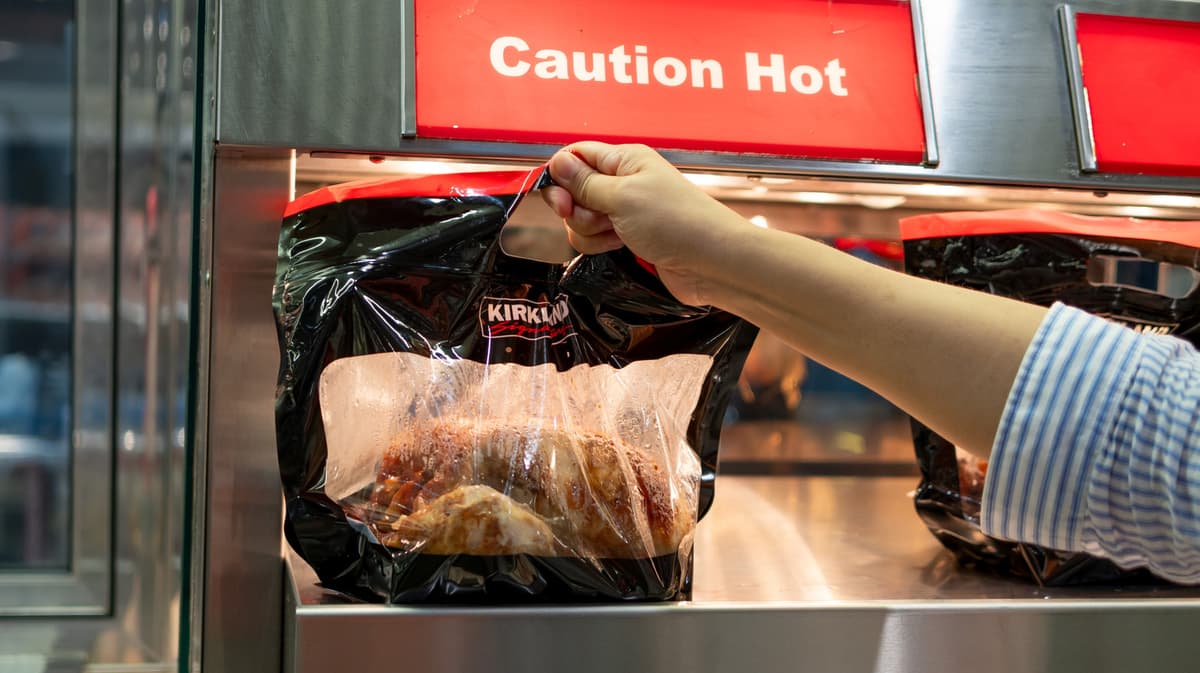
What Costco Does With Its Leftover Rotisserie Chickens
Companies Mentioned
Why It Matters
By turning surplus food into secondary products and charitable donations, Costco cuts landfill waste, lowers greenhouse‑gas emissions, and reinforces its reputation for sustainability and cost efficiency.
Key Takeaways
- •Rotisserie chickens cost $4.99, sell millions annually.
- •Unsold chickens repurposed into deli dishes within two hours.
- •Bones turned into gelatin or bone‑meal products.
- •Chicken grease converted into biofuel for renewable energy.
- •2025: over 140 million pounds donated to Feeding America.
Pulse Analysis
Costco’s approach to rotisserie chicken waste illustrates how large retailers can turn a potential liability into a value‑adding asset. After a brief two‑hour display period, any unsold bird is swiftly moved to the in‑house deli, where chefs incorporate the meat into a variety of prepared foods—from creamy Alfredo sauces to hearty pot pies. This rapid turnaround not only preserves the chicken’s freshness but also maximizes revenue per unit, reinforcing Costco’s low‑price, high‑volume business model.
Beyond the deli, Costco extracts further utility from the entire bird. Bones and cartilage are collected in a dedicated “Bone Barrel” and processed into gelatin or bone‑meal, materials used in food manufacturing, pharmaceuticals, and animal feed. Meanwhile, the rendered chicken grease is refined into biofuel, contributing to the chain’s renewable‑energy initiatives. These practices exemplify a circular‑economy mindset, reducing the environmental toll of food waste while generating ancillary revenue streams.
The company’s waste‑diversion tactics extend to broader inventory. In 2025, Costco donated more than 140 million pounds of unsold, edible produce to Feeding America, supporting food‑insecure communities and enhancing its corporate‑social‑responsibility profile. Non‑edible scraps are composted or converted into fertilizer via a machine dubbed “The Harvester.” Collectively, these measures lower landfill contributions, curb methane emissions, and position Costco as a leader in sustainable retail operations, offering a blueprint for other mass‑merchants seeking to balance profitability with environmental stewardship.
What Costco Does With Its Leftover Rotisserie Chickens
Comments
Want to join the conversation?
Loading comments...