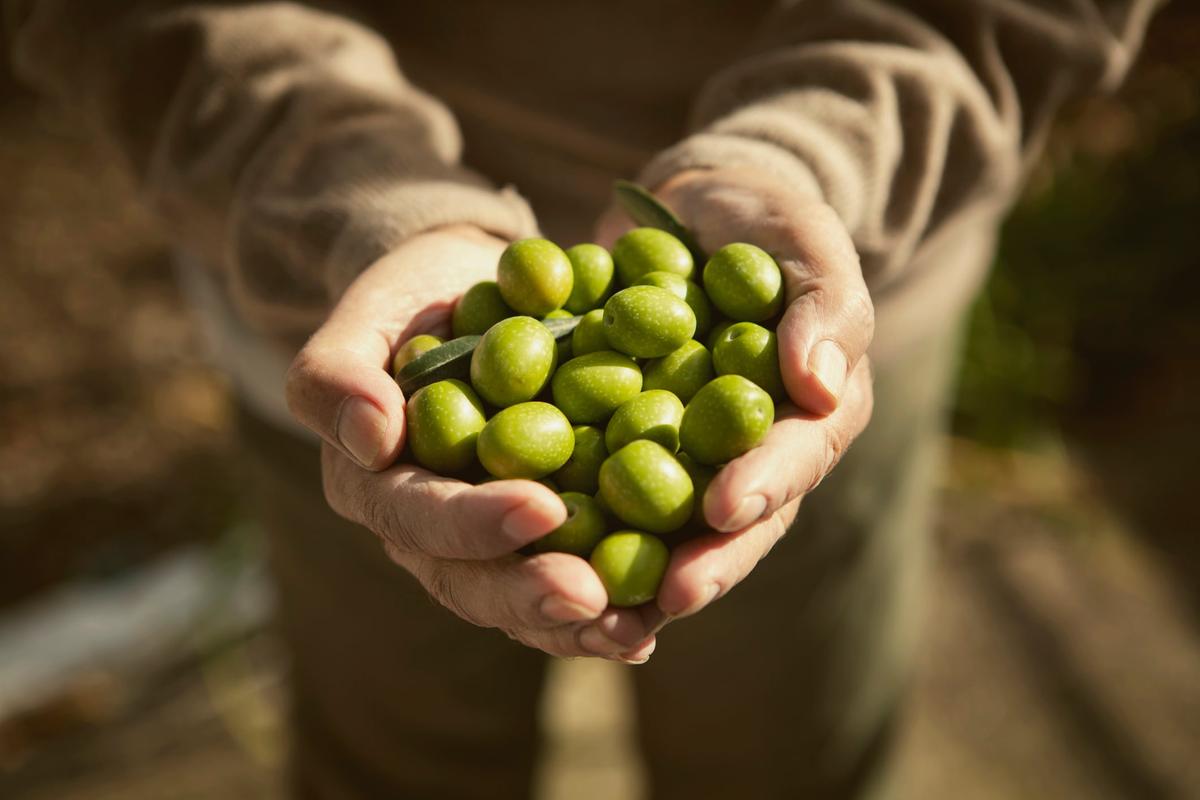
What Sustainability Looks Like in Olive Oil Today
Why It Matters
The initiative demonstrates how a major consumer‑goods player can drive systemic change across agriculture, supply chain resilience and packaging, setting a benchmark for ESG performance in the food sector.
Key Takeaways
- •79% of Deoleo bottles now recyclable, five years ahead of target
- •98% of production energy from renewables, cutting 135k tons CO₂ since 2022
- •Sustainable mills supply 36% of oil; goal 70% by 2030
- •QR‑enabled blockchain labels give consumers traceability of origin and harvest
Pulse Analysis
The olive‑oil market has long been criticized for fragmented supply chains and modest sustainability credentials, but Deoleo’s latest report signals a shift toward a holistic, system‑wide approach. By integrating renewable energy across its factories and achieving a 79% recyclable‑plastic rate well before its 2030 deadline, the company not only reduces its carbon footprint but also positions itself as a leader in the broader food‑industry ESG race. These metrics matter to investors and retailers who increasingly demand quantifiable climate action from brand owners.
In the fields, Deoleo’s Sustainability Protocol equips 61,000 farmers with data‑driven tools, encouraging practices like green covering and targeted agro‑chemical use. Such precision agriculture improves soil health, biodiversity, and yields, while also buffering the supply chain against climate volatility. With 36% of its oil already sourced from certified sustainable mills—and a target of 70% by 2030—Deoleo is building resilience that can stabilize prices and ensure consistent product quality across its seven‑country footprint.
Packaging and transparency complete the value proposition. Consumers still view glass as the most sustainable container, prompting Deoleo to boost recycled‑glass content to 60% and introduce blue glass bottles that protect oil from light degradation. Meanwhile, QR‑enabled blockchain labels give shoppers real‑time provenance data, turning traceability into a competitive differentiator. By investing in these innovations without raising shelf prices, Deoleo demonstrates that sustainability can be a growth engine rather than a cost burden, offering a blueprint for other agribusinesses seeking to align profit with planet.
What sustainability looks like in olive oil today
Comments
Want to join the conversation?
Loading comments...