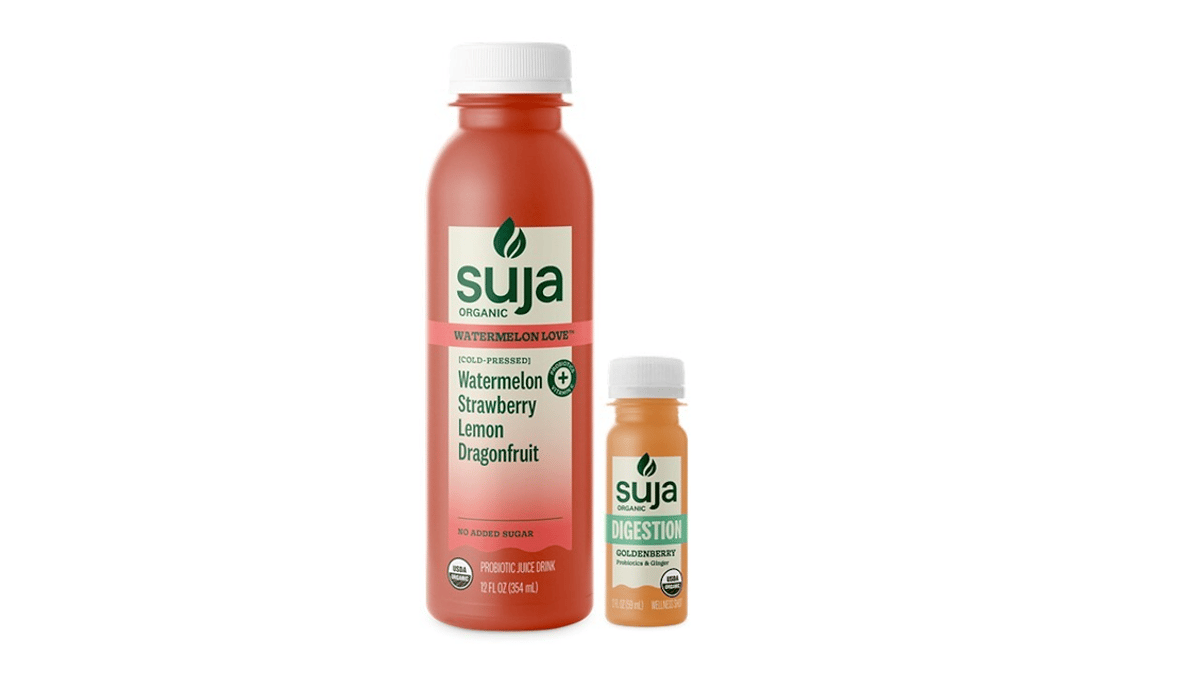
What to Consider when Working with Digestive Health Ingredients
Companies Mentioned
Why It Matters
Successful fiber‑fortified drinks can capture growing health‑conscious demand without sacrificing taste, giving brands a competitive edge in the fast‑growing functional beverage sector.
Key Takeaways
- •Dietary fiber market projected to reach $11.98 B in 2026, 9.3% CAGR
- •Flavor, texture, and stability are primary formulation hurdles for fiber‑rich drinks
- •Soluble corn fiber provides neutral taste and higher digestive tolerance than inulin
- •Fiber stacking blends fast‑and slow‑fermenting fibers for balanced gut fermentation
- •Regulatory labeling for fiber claims adds complexity to product development
Pulse Analysis
Consumer awareness of digestive health is reshaping the functional beverage landscape. A Research and Markets forecast shows the global dietary fiber market climbing to nearly $12 billion next year, a 9.3% annual rise fueled by demand for gut‑supporting ingredients in drinks, snacks, and fortified foods. This surge is prompting brands to differentiate through science‑backed claims while navigating a crowded shelf of plant‑based fiber sources.
Formulating a tasty, stable beverage with added fiber remains a technical puzzle. As Ian O’Neil of Rubix Foods notes, fibers can increase viscosity, cause sedimentation, or introduce off‑flavors, forcing formulators to prioritize sensory quality. Cargill’s soluble corn fiber offers a neutral profile and better digestive tolerance than traditional inulin, allowing manufacturers to replace carbs with minimal reformulation. Meanwhile, Icon Foods’ Thom King advocates fiber stacking—combining fast‑fermenting FOS, mid‑range inulin, and resistant dextrins—to achieve smoother gas kinetics and broader microbial engagement, mitigating the “fermentation bomb” risk. These strategies address both consumer expectations for flavor and the physiological need for balanced fermentation.
Ingredient suppliers are responding with resilient solutions that survive harsh processing conditions. ADM highlights its high‑solubility Fibersol, which maintains clarity and low viscosity across heat, acid, and freeze‑thaw cycles, while postbiotic ES1 and spore‑forming probiotic DE111 endure the same stresses. However, navigating fiber definitions, caloric labeling, and health claim regulations adds another layer of complexity. Brands that master the interplay of taste, stability, and compliant messaging will be best positioned to capitalize on the expanding market and meet the evolving expectations of health‑focused consumers.
What to consider when working with digestive health ingredients
Comments
Want to join the conversation?
Loading comments...