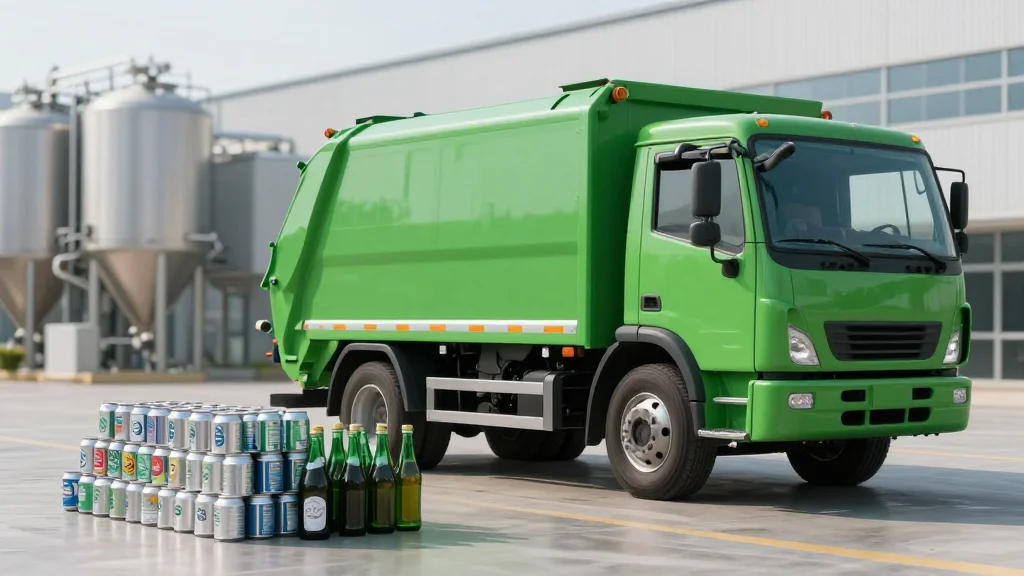
Where Producers’ EPR Money Is Going in Oregon
Why It Matters
The initiative shows how producer‑responsibility financing can quickly expand local recycling capacity, reducing the cost burden on ratepayers and offering a replicable model for other jurisdictions. It also signals a substantial influx of capital into waste‑management infrastructure, which could improve diversion rates and drive industry innovation.
Key Takeaways
- •The Dalles received $200k to purchase 5,000 96‑gallon carts.
- •Oregon’s EPR program projects $123 million in recycling upgrades by 2027.
- •Larger carts support expanded recyclables list approved August 2025.
- •Funding also covers trucks, drop‑off centers, and MRF optical sorters.
Pulse Analysis
Oregon’s packaging Extended Producer Responsibility (EPR) law marks a watershed for U.S. waste policy, shifting a third of recycling costs onto the brands that create packaging. Managed by the Circular Action Alliance, the program pools contributions from manufacturers and distributors into a state‑level fund that can be deployed for tangible infrastructure upgrades. By tying financing directly to measurable outcomes—such as new carts, trucks, and sorting technology—the model aims to close the gap between growing material streams and aging collection systems, while keeping ratepayer bills stable.
The Dalles pilot illustrates the practical impact of that financing. With a $200,000 grant, the city replaced its 14‑gallon tote system with 5,000 96‑gallon carts, a six‑fold increase in capacity. The larger containers are essential after Oregon expanded its curbside recyclables list in August 2025, adding items like flexible plastics and certain paper grades that previously overflowed the small bins. Local hauler Jim Winterbottom notes that the new carts reduce missed pickups and improve resident participation, while the upcoming recycling truck will further streamline collection routes. Early feedback suggests higher diversion rates and lower contamination, key metrics for municipal recycling programs.
Looking ahead, the $123 million budget through 2027 positions Oregon to modernize its material recovery facilities, fund optical sorters, and support drop‑off depots across the state. The program’s shared‑responsibility framework provides a template for other states considering EPR legislation, balancing producer accountability with municipal operational needs. As more communities tap these funds, the industry may see accelerated adoption of advanced sorting technology, economies of scale in cart manufacturing, and a clearer path toward national recycling targets. The Dalles experience will likely inform the next iteration of Oregon’s EPR plan, shaping how producer contributions are allocated in the years to come.
Where producers’ EPR money is going in Oregon
Comments
Want to join the conversation?
Loading comments...