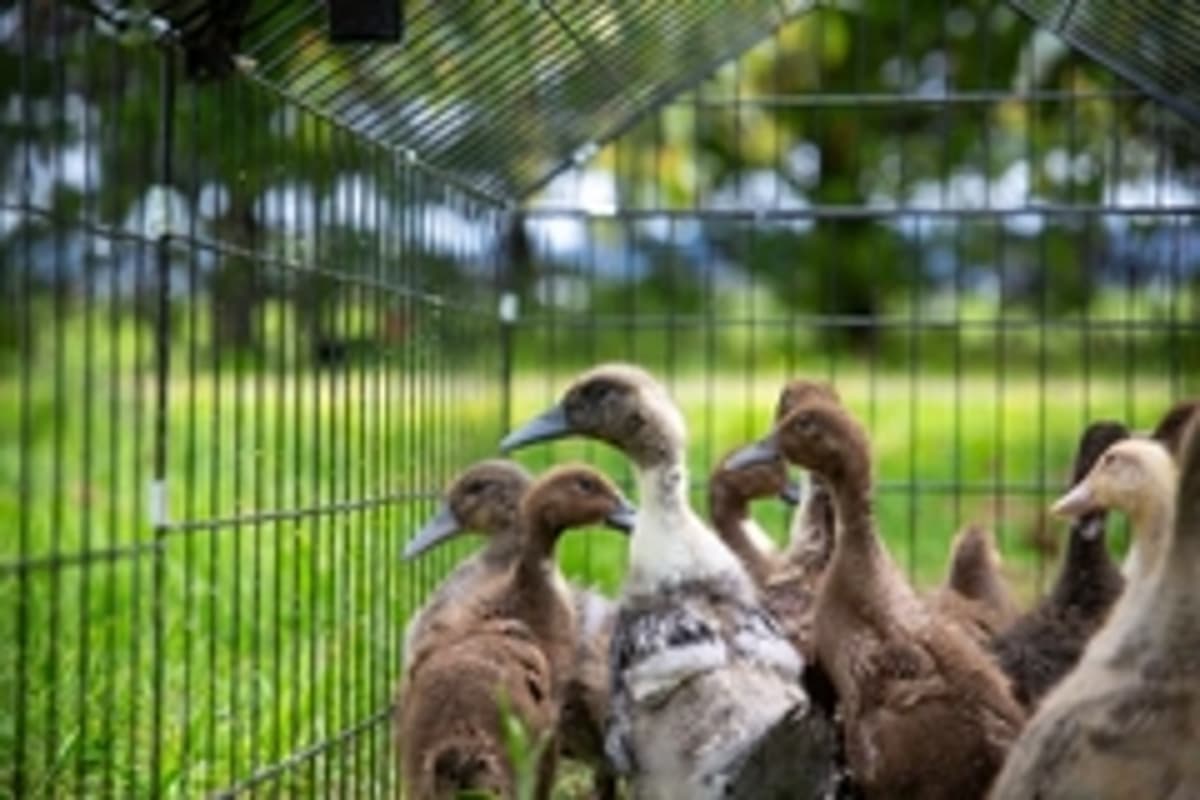
Why China’s Poultry Sector Is Turning to Cage-Free Duck Farming
Why It Matters
Cage‑free duck production opens new export channels and strengthens brand equity, while aligning China’s supply chain with global animal‑welfare expectations.
Key Takeaways
- •China farms 4.2 billion ducks, 70% from Shandong.
- •Xuri Egg Products targets 100% cage‑free duck eggs for export by 2026.
- •Cage‑free ducks boost food safety, quality and premium brand perception.
- •Lever China has helped dozens of producers adopt cage‑free waterfowl systems.
- •Young Chinese consumers increasingly prefer higher‑welfare duck products.
Pulse Analysis
China dominates global duck production, with an estimated 4.2 billion birds raised each year, primarily in Shandong Province. Historically, duck farming has lagged behind chicken welfare reforms because duck meat and eggs are less common in Western diets. However, scientific studies underline that caged environments are biologically unsuitable for ducks, which need open water to regulate temperature and maintain health. This growing body of evidence is prompting Chinese producers to reconsider traditional cage systems and explore cage‑free alternatives that better meet animal‑welfare standards.
Export markets are a key catalyst for the transition. Western retailers and foodservice chains increasingly require cage‑free certification as a condition for sourcing, viewing it as a proxy for food safety and ethical production. Lever China, a consultancy specializing in sustainable agriculture, has facilitated policy shifts for dozens of producers, enabling companies like Xuri Egg Products to pledge 100% cage‑free duck eggs for export by 2026. Such commitments not only satisfy foreign buyers but also allow domestic brands to differentiate themselves in a crowded market, appealing to affluent urban consumers who associate higher‑welfare practices with premium quality.
Operational challenges remain, notably the need for water‑access infrastructure and managing aggression in larger flocks. Yet Chinese producers possess strong technical expertise and benefit from a domestic equipment sector capable of delivering cost‑effective cage‑free solutions. As younger Chinese consumers place greater emphasis on sustainability and animal welfare, demand for cage‑free duck products is expected to rise, reinforcing the business case for broader adoption. In the longer term, the shift could set a new regional benchmark, influencing neighboring Asian markets to follow China’s lead in modern, welfare‑focused waterfowl production.
Why China’s poultry sector is turning to cage-free duck farming
Comments
Want to join the conversation?
Loading comments...