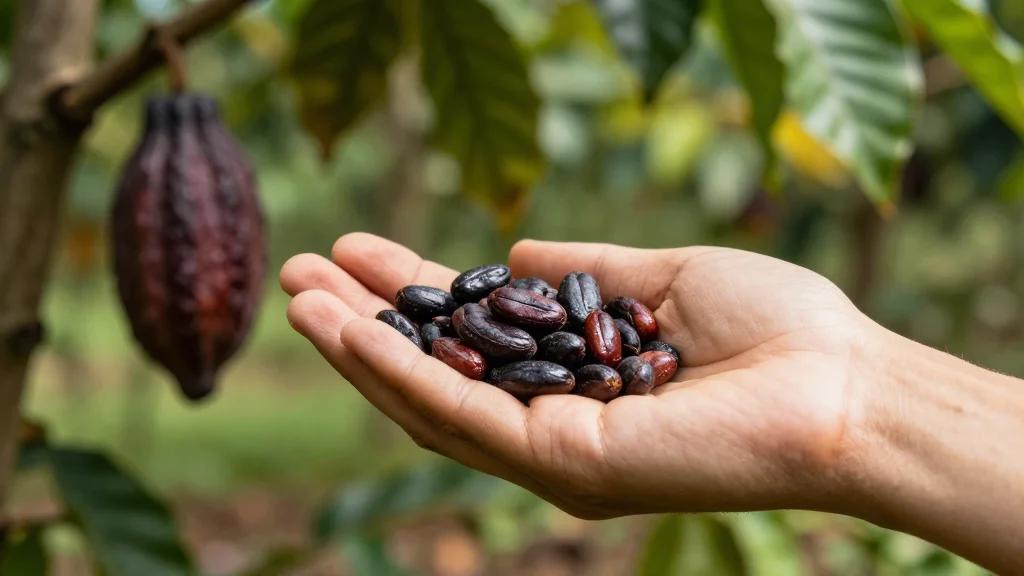
Why Hershey Is Making Big Changes to Its Sustainability Strategy
Why It Matters
The updated strategy aligns Hershey’s diversification into salty snacks with growing consumer and regulator pressure for greener food systems, positioning the company to protect supply chains and capture sustainability‑focused market share.
Key Takeaways
- •Hershey adds salty‑snack lines to its sustainability pledge
- •Targets 2.5 million acres for regenerative practices by 2035
- •Aims 50% absolute emissions cut and 100% renewable electricity by 2030
- •Plans to eliminate 25 million pounds of packaging across portfolio
- •Partners with Texan By Nature to replenish groundwater for peanuts
Pulse Analysis
Hershey’s latest sustainability blueprint reflects a broader industry shift as confectioners move beyond candy into the fast‑growing salty‑snack segment. By integrating brands such as Dot’s and SkinnyPop into its environmental agenda, Hershey signals that its product diversification is not just a revenue play but also a catalyst for deeper supply‑chain responsibility. Consumers now expect transparency on ingredient origins, and the company’s pledge to extend its cocoa‑farmer support model to peanuts and other inputs meets that demand while differentiating the brand in a crowded shelf space.
The new commitments are ambitious: covering 2.5 million acres with regenerative, restorative or protective practices by 2035, slashing direct emissions by half and sourcing all electricity from renewable or zero‑emission sources by 2030, and cutting 25 million pounds of packaging. Hershey’s partnership with Texan By Nature to replenish groundwater for peanut farms illustrates a holistic approach that ties water stewardship to ingredient security. These actions not only reduce operational risk but also position Hershey to meet emerging climate‑disclosure mandates, such as California’s 2026 filing requirement, ahead of many peers.
For the broader food sector, Hershey’s strategy underscores how regulatory pressure and consumer activism are converging to make sustainability a core business driver. Companies that embed regenerative agriculture, renewable energy and circular packaging into their growth plans can mitigate supply‑chain disruptions and unlock premium pricing opportunities. Hershey’s public targets set a benchmark that may accelerate industry‑wide adoption of similar goals, reshaping competitive dynamics and raising the bar for environmental performance across the snack and confectionery markets.
Why Hershey is making big changes to its sustainability strategy
Comments
Want to join the conversation?
Loading comments...