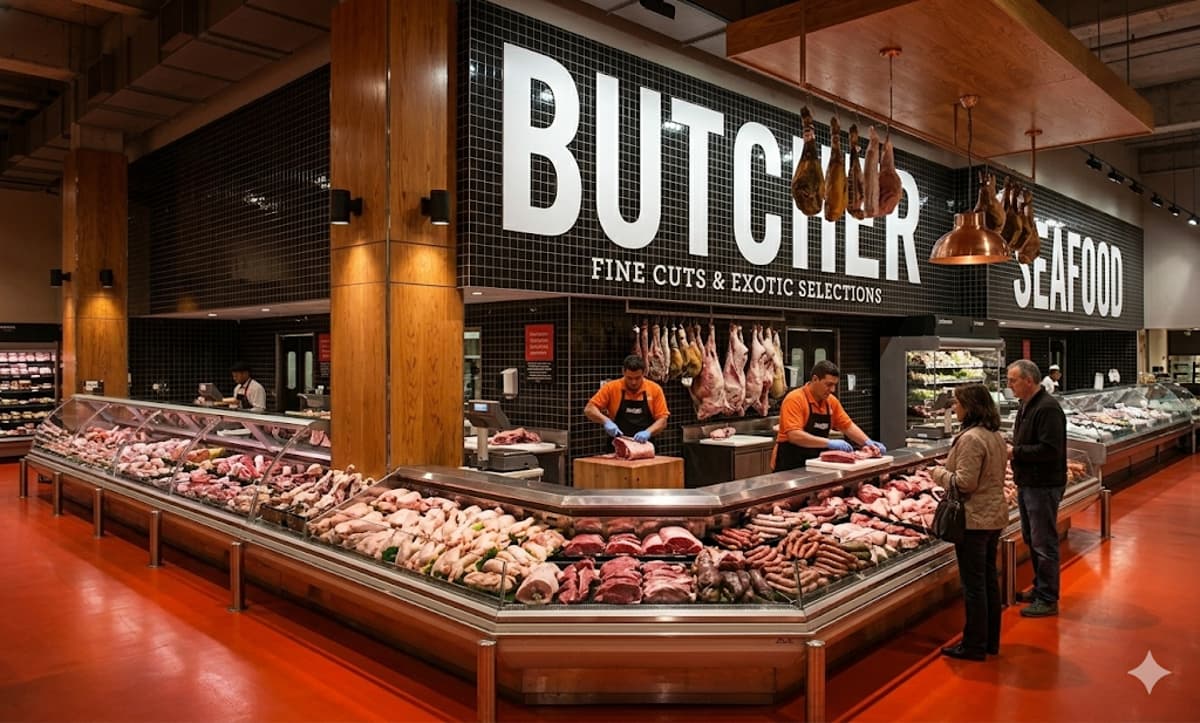
Why Imports Won’t Fix Canada’s Beef Price Problem
Why It Matters
High beef prices strain Canadian consumers and threaten the viability of a domestic industry that underpins food security. Relying on imports would provide only temporary relief while exposing the market to global volatility.
Key Takeaways
- •Beef prices up 13% YoY, 40% above five‑year average.
- •Imports 25‑30% of consumption; higher share raises supply risk.
- •Domestic herd at 11.1 million head, limiting production growth.
- •Imported beef cheaper ($15 CAD/kg ≈ $11 USD/kg) but fills low‑value cuts.
- •Policy focus needed on herd expansion, processing capacity, regulation costs.
Pulse Analysis
Canada’s beef market is at a tipping point. Statistics Canada reports a 13‑14% year‑over‑year rise in fresh and frozen beef prices in early 2026, pushing retail rates to roughly $25‑26 CAD per kilogram – about $18‑19 USD – well above the five‑year norm. The upcoming Mercosur trade negotiations raise fears that lower‑cost South American beef, priced near $15 CAD/kg ($11 USD/kg), could increase import volumes. Proponents argue that cheaper imports will curb inflation, yet the data shows imports already account for 25‑30% of Canadian consumption, primarily in processed foods and low‑margin cuts, leaving premium domestic beef largely insulated.
The core of the price problem lies in structural constraints. Canada’s cattle herd, hovering around 11.1 million head, has barely recovered from a decade‑long decline, limiting the ability to boost supply quickly. Producers face some of the world’s strictest standards for traceability, animal health and environmental stewardship, which drive up operating costs. Energy, transportation and financing pressures further erode margins, making domestic beef inherently more expensive than its South American counterparts. Because herd expansion is a biological process, supply cannot instantly respond to price signals, cementing the current price gap.
Policymakers must shift from a short‑term import‑centric fix to a long‑term resilience strategy. Supporting herd growth through targeted capital access, risk‑management tools and streamlined regulations can raise domestic output without compromising safety. Investment in processing infrastructure would alleviate bottlenecks and improve efficiency across the value chain. While modest import levels can supplement specific market segments, over‑reliance would increase exposure to global supply shocks and geopolitical risks. Strengthening Canada’s own beef capacity is essential for affordable prices, food security and a competitive agri‑food sector.
Why Imports Won’t Fix Canada’s Beef Price Problem
Comments
Want to join the conversation?
Loading comments...