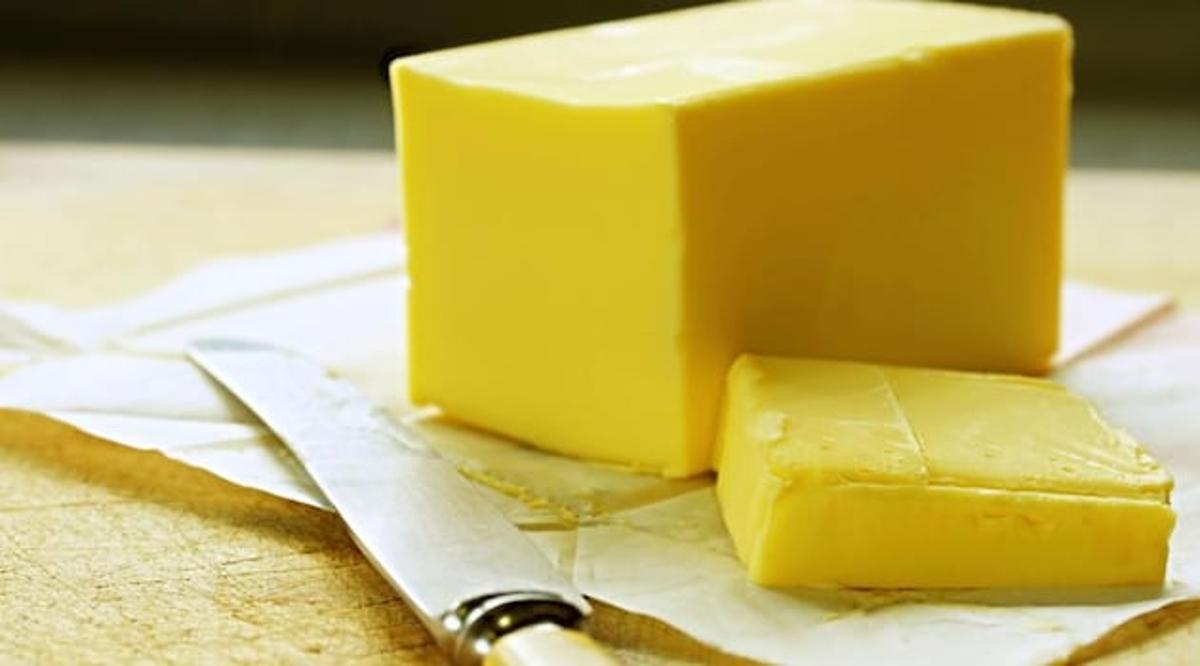
Why Is Kerrygold Butter 65% Dearer in Kerry than It Is in Berlin?
Companies Mentioned
Why It Matters
The stark price divergence highlights how retailer strategies and limited EU price oversight can create consumer cost inefficiencies across neighboring markets.
Key Takeaways
- •Kerrygold 250 g costs $3.29 in Ireland vs $2.19 in Germany.
- •Irish price per kilo $13.17, German $8.76, 65% higher.
- •Retail promotions drive German price, Irish retailers keep higher margins.
- •Ornua sells to retailers; pricing decisions lie with stores.
- •Arbitrage could cover flight cost, exposing stark price disparity.
Pulse Analysis
The recent Irish Times report reveals a striking 65% price gap for Kerrygold butter between Ireland and Germany. Converting euros to U.S. dollars shows Irish shoppers paying $3.29 for a 250‑gram pack, while German consumers enjoy a promotional $2.19 price at Lidl. Even the larger 454‑gram Irish package, at $5.49, remains 38% above the German per‑kilogram rate. This discrepancy has sparked consumer curiosity and speculation about cross‑border arbitrage, especially given the modest cost of a short flight between Dublin and Berlin.
Understanding the root causes requires a look at the dairy supply chain. Ornua, the cooperative that manufactures Kerrygold, supplies the product to retailers but does not dictate shelf prices. In Germany, Lidl employs deep‑discount butter promotions to attract shoppers, a tactic less common in Irish supermarkets where margins appear higher. The Irish Creamery Milk Suppliers Association admits it lacks insight into retailer pricing, underscoring a broader EU challenge: limited mechanisms to monitor or harmonise food prices across member states, leaving consumers vulnerable to regional pricing tactics.
The implications extend beyond a single product. Persistent price differentials can erode consumer trust and incentivise grey‑market trade, as the article suggests a theoretical profit from bulk purchases in Berlin. For retailers, the case illustrates the power of promotional pricing to shape market perception, while producers like Ornua remain insulated from retail decisions. Policymakers may need to consider greater transparency in supply‑chain margins to ensure fair pricing, especially for staple goods that influence household budgets across the Eurozone.
Why is Kerrygold butter 65% dearer in Kerry than it is in Berlin?
Comments
Want to join the conversation?
Loading comments...