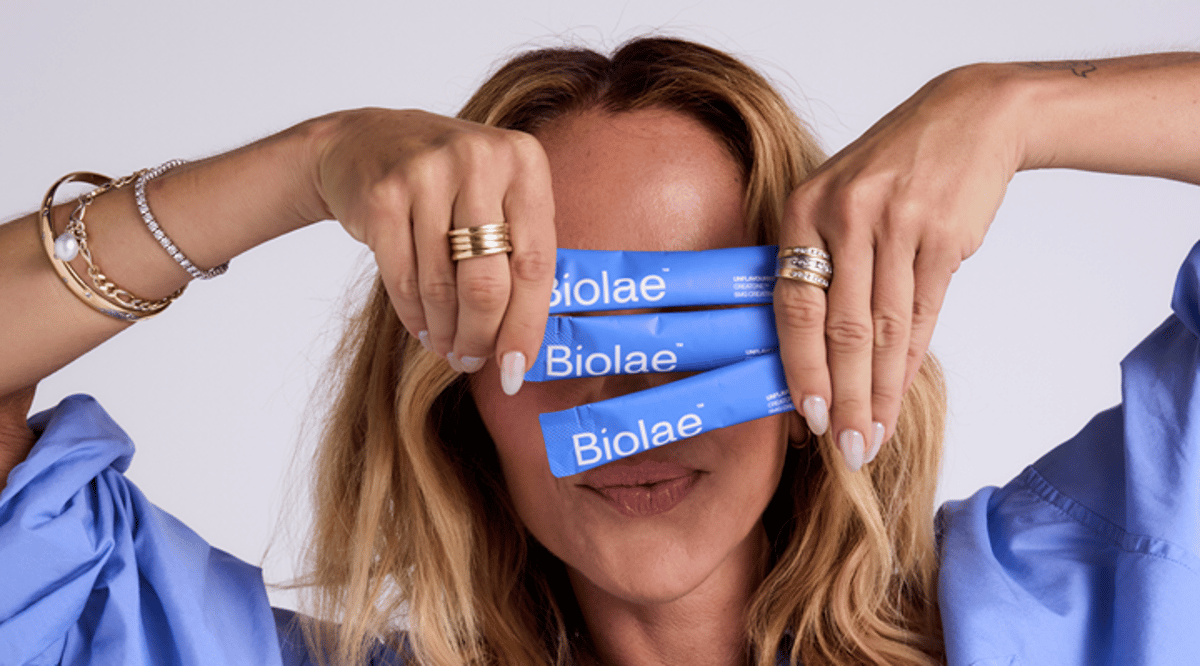
Why Pip Edwards Is Backing the Business of Perimenopause
Why It Matters
Perimenopause is shifting from a hidden health issue to a mainstream consumer market, prompting retailers and brands to address a large, underserved demographic with clinically backed solutions.
Key Takeaways
- •Perimenopause becomes distinct consumer health category.
- •Biolae launches TGA‑approved non‑hormonal device for hot flushes.
- •Pip Edwards invests as shareholder, not just brand ambassador.
- •Dual strategy: DTC education plus pharmacy shelf presence.
- •Market crowded; clinical validation crucial for retailer credibility.
Pulse Analysis
The perimenopause transition, affecting up to 90 percent of women, has long been under‑served by traditional healthcare and wellness sectors. As women seek reliable relief from hot flushes, mood swings, and sleep disturbances, the market is recognizing a gap worth billions of dollars globally. Industry analysts note that the demographic’s purchasing power, combined with heightened health awareness, positions perimenopause as a fast‑growing niche within women’s health, demanding products that blend scientific rigor with lifestyle convenience.
Biolae, founded in 2024 by Briella Brown and Maryalic Rosa, is capitalising on this momentum with a clinically validated portfolio. Its flagship offerings include a supplement targeting hot flushes, mood and sleep, a hormone‑free vaginal insert for discomfort, and a creatine‑based body‑composition formula. The standout is a TGA‑approved medical device, unveiled at the Australasian Menopause Society Congress, aimed at alleviating symptoms for the majority of sufferers. Pip Edwards’ decision to become a shareholder underscores confidence in the brand’s evidence‑based approach, differentiating it from celebrity‑endorsed products that often lack robust data.
Retailers are now grappling with how to integrate perimenopause solutions into their assortments. Biolae’s dual‑channel model—leveraging direct‑to‑consumer platforms for education while securing shelf space in independent pharmacies—offers a blueprint for building trust and driving adoption. Physical presence signals medical credibility, while online engagement nurtures community and informs purchase decisions. As the category matures, success will hinge on sustained clinical validation, strategic retail partnerships, and the ability to normalise conversations around midlife health.
Why Pip Edwards is backing the business of perimenopause
Comments
Want to join the conversation?
Loading comments...