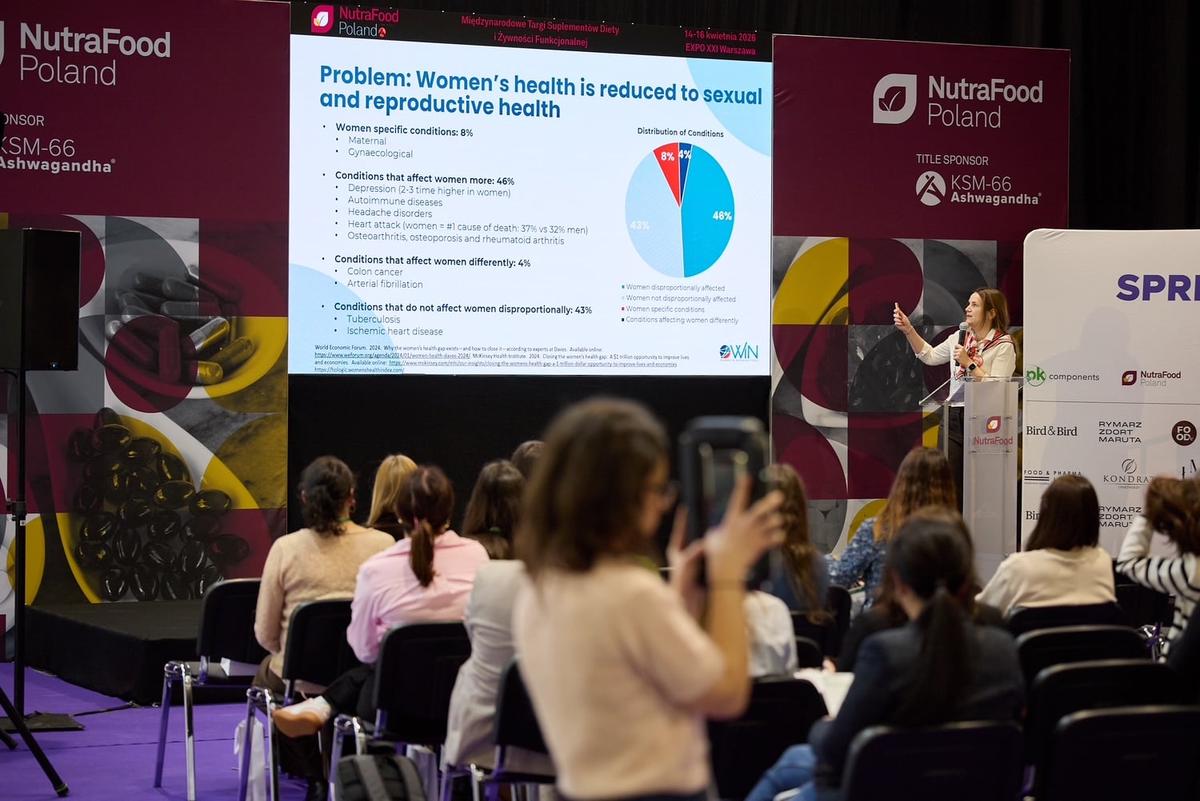
WINCEE Launch: Women’s Health Research Top of the Agenda
Why It Matters
Closing the women’s health gap unlocks a trillion‑dollar economic opportunity and improves treatment safety for half the population, making inclusive research a strategic imperative for the nutraceutical industry.
Key Takeaways
- •Women comprise only ~40% of clinical trial participants, limiting data
- •Closing the women’s health gap could add $1 trillion to global GDP annually
- •NIH allocated just $5 billion to women’s health, far less than $50 billion elsewhere
- •Female principal investigators enroll ~7% more women patients than male‑led trials
Pulse Analysis
The WINCEE launch in Warsaw shines a spotlight on a systemic blind spot: women remain under‑represented in clinical research, despite bearing a disproportionate burden of chronic diseases such as heart disease, autoimmune disorders, and osteoporosis. Current data show that only 40% of trial participants are female, and less than a third of phase‑one studies include women, resulting in a dearth of sex‑specific safety and efficacy information. This gap translates into higher adverse drug reaction rates for women—about 52% more than men—and hampers the development of dosing guidelines that reflect real‑world use.
Economic analyses reinforce the urgency. A McKinsey study estimates that narrowing the women’s health gap could inject roughly $1 trillion into the global economy each year by boosting productivity and reducing healthcare costs. Yet research funding tells a different story: the NIH earmarked just $5 billion for women’s health in 2025, a tenth of the $50 billion allocated to other therapeutic areas. Regulatory frameworks have evolved—U.S. law since 1993 and European directives now require gender‑balanced study designs—but cultural inertia and logistical barriers keep participation low. Female principal investigators have been shown to increase women’s enrollment by about 7%, suggesting leadership diversity is a practical lever for change.
For nutraceutical companies, the business case is clear. Inclusive trials generate richer data sets, enable more precise product positioning, and mitigate liability risks associated with off‑label side effects. Moreover, meeting journal standards and regulatory expectations can accelerate time‑to‑market. WIN’s mission to mentor women leaders and promote gender‑balanced research aligns with these commercial incentives, positioning the organization as a catalyst for both scientific advancement and market growth. Companies that proactively address the gender data gap will likely capture a larger share of the emerging $1 trillion opportunity.
WINCEE launch: Women’s health research top of the agenda
Comments
Want to join the conversation?
Loading comments...