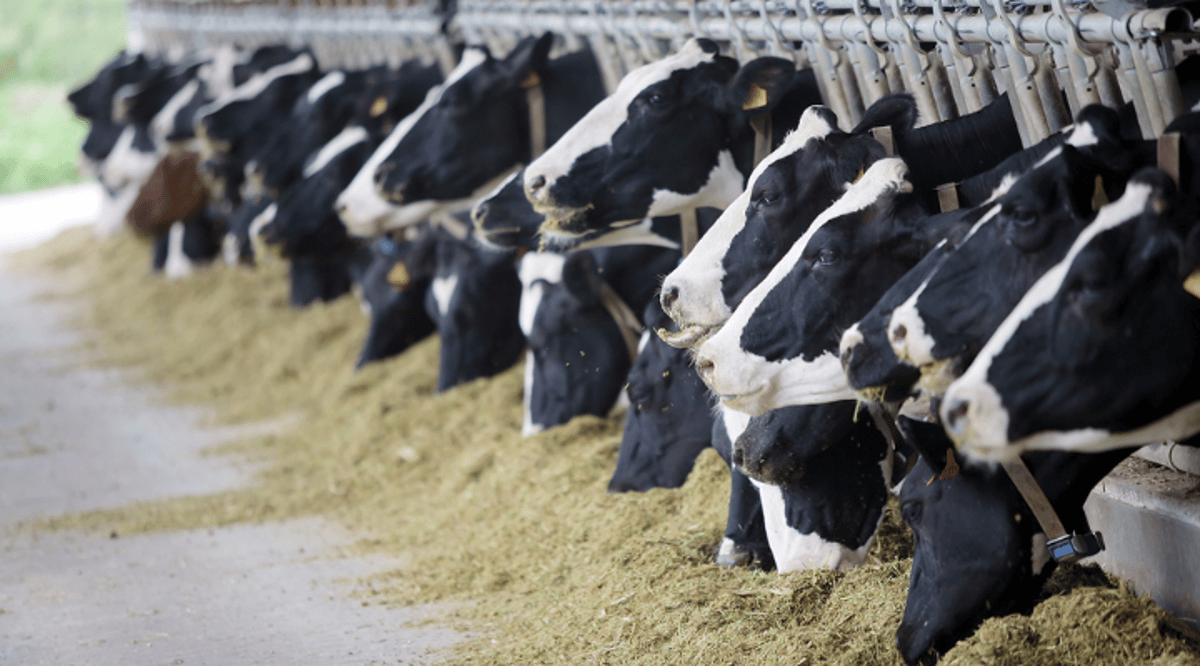
Woolworths Increases Farmer Payments Amid ‘Difficult Cost Increases’
Why It Matters
By shielding farmers from input‑price spikes, Woolworths aims to stabilise supply chains and protect grocery margins, a critical factor for both consumers and the retailer’s profitability. The initiative also signals intensified competition among Australia’s big grocers to support their upstream partners.
Key Takeaways
- •Woolworths raises Farmers’ Own milk price by 10c/L (~$0.07 USD)
- •Payments cover ~20% of Australia’s fresh produce, 7% of beef
- •Middle East conflict spikes oil, diesel, fertilizer costs for farmers
- •Woolworths says price hike won’t be passed to shoppers
- •Coles offers up to $1M (≈$660k USD) one‑off farmer relief
Pulse Analysis
The Middle East war has reverberated far beyond geopolitics, driving up global energy and fertilizer prices that directly affect Australian agriculture. As diesel and fertilizer costs climb, farmers face tighter margins, prompting major retailers to intervene. Woolworths’ decision to increase its Farmers’ Own milk payment by 10 cents per litre—roughly seven US cents—acts as a buffer, helping producers maintain profitability without shifting costs to end‑consumers. This strategy reflects a broader trend where supermarkets leverage their buying power to stabilize upstream supply chains, ensuring product availability and price consistency on shelves.
Woolworths’ move also underscores the competitive dynamics between Australia’s two supermarket giants. While Woolworths opts for a modest per‑litre uplift, rival Coles rolled out a $1 million (about $660,000 USD) one‑off relief package for its farmer partners. Both initiatives aim to safeguard relationships with suppliers, a critical asset as retailers contend with inflationary pressure on household budgets. By absorbing part of the cost shock, these grocers hope to protect their margins and retain consumer loyalty, especially as shoppers become increasingly price‑sensitive.
Looking ahead, the sustainability of such subsidies will hinge on the trajectory of global commodity prices and the resilience of Australian farms. If oil and fertilizer costs remain elevated, retailers may need to deepen financial support or explore alternative sourcing strategies, such as investing in local fertilizer production or encouraging more efficient farming practices. For investors and industry observers, Woolworths’ approach offers a case study in how large retailers can use targeted payments to manage supply‑chain risk while reinforcing brand reputation in a cost‑conscious market.
Woolworths increases farmer payments amid ‘difficult cost increases’
Comments
Want to join the conversation?
Loading comments...