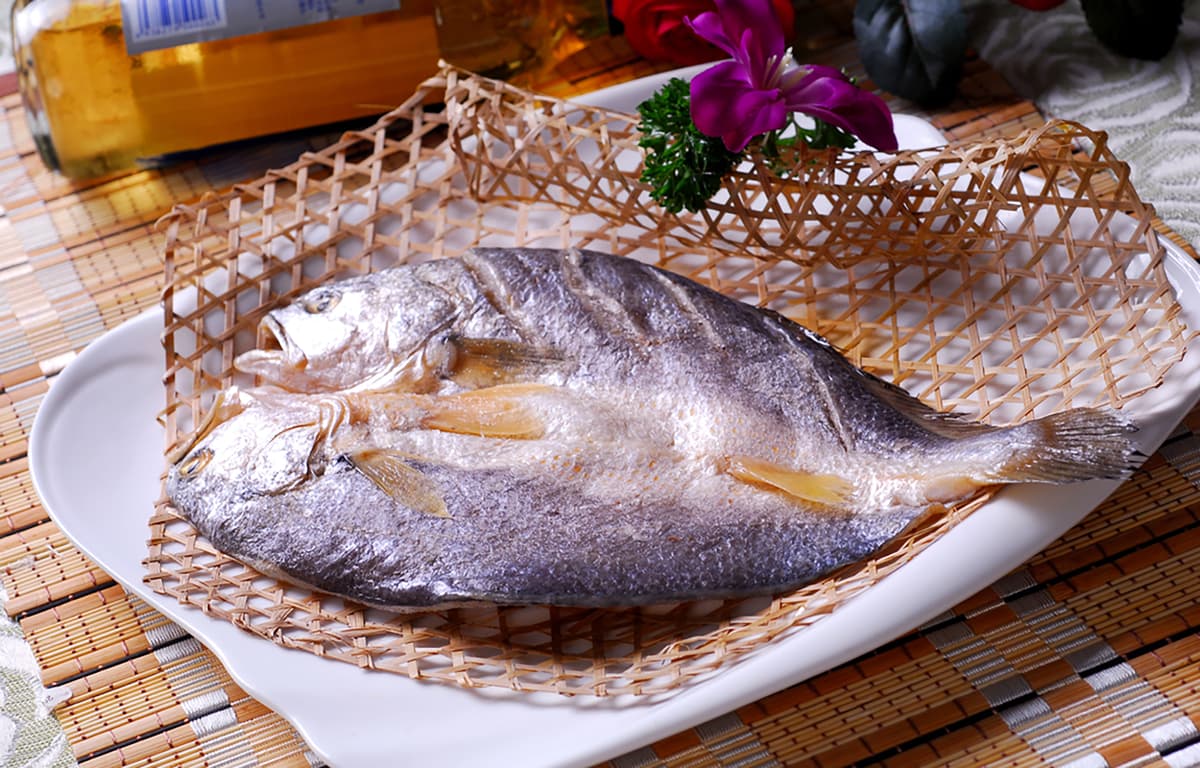
Yellow Croaker Project in China Drawing on Norwegian Aquaculture Expertise to Achieve Sustainable Growth
Why It Matters
Sustainable scaling of China’s largest aquaculture species can safeguard marine ecosystems and secure long‑term food supply, while setting a policy template for the broader industry.
Key Takeaways
- •China operates over 100 offshore aquaculture platforms.
- •Yellow croaker production reaches ~300,000 tons annually.
- •Norway’s biomass limits and traffic‑light system guide sustainable scaling.
- •Project promotes ecosystem‑based management and data‑driven decisions.
- •Adaptation, not replication, is crucial due to species diversity.
Pulse Analysis
China’s rapid offshore aquaculture expansion reflects a strategic push to meet domestic protein demand, yet the sector faces mounting pressure on coastal ecosystems. Yellow croaker, a staple in Chinese cuisine, now accounts for roughly 300,000 metric tons of annual output, positioning it as a bellwether for sustainability challenges. The surge in floating cages and sea‑based farms has amplified concerns over water quality, disease transmission, and habitat disruption, prompting policymakers to seek proven governance models that balance growth with environmental stewardship.
Norway’s aquaculture framework offers a compelling template. Decades of regulation have embedded tools such as maximum allowable biomass thresholds and a traffic‑light system that translates real‑time environmental data into production limits. These mechanisms tie farm intensity directly to water‑quality metrics, ensuring that expansion only proceeds when ecological conditions permit. By integrating continuous monitoring, species‑specific carrying‑capacity assessments, and transparent reporting, Norway has maintained high yields of Atlantic salmon while preserving marine health—a balance Chinese officials hope to emulate for yellow croaker and other species.
Transplanting Norway’s model is not a simple copy‑and‑paste exercise. China’s aquaculture landscape is far more heterogeneous, encompassing dozens of species and varied farming methods across vast regional differences. The UN‑IDO‑backed project therefore emphasizes core principles—ecosystem‑based management, data‑driven decision‑making, and regulatory flexibility—rather than exact procedural replication. Building a robust, nation‑wide monitoring network and aligning subsidies with ecological performance could reshape investment flows and incentivize cleaner practices. If successfully adapted, the initiative may set a new benchmark for sustainable aquaculture in the world’s largest producer, influencing global standards and market expectations.
Yellow croaker project in China drawing on Norwegian aquaculture expertise to achieve sustainable growth
Comments
Want to join the conversation?
Loading comments...