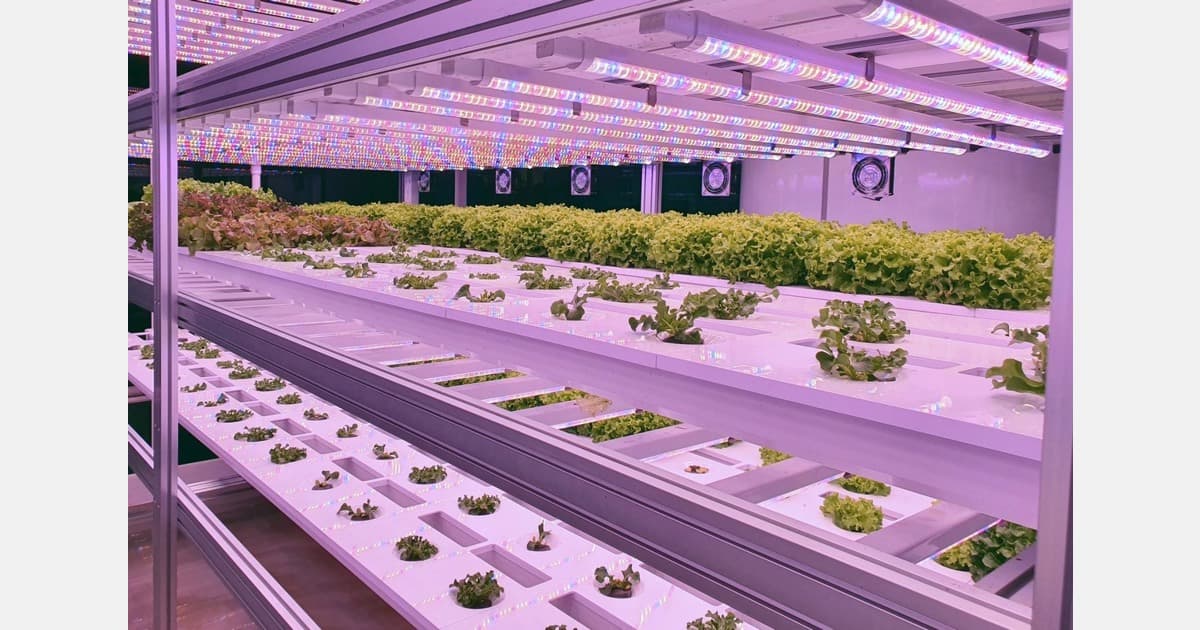
US (NE): Omaha Restaurant Using Hydroponics to Grow Ingredients
Companies Mentioned
Why It Matters
On‑site hydroponics gives restaurants control over ingredient quality and cost, a competitive edge as consumers demand fresher, locally sourced food. The trend also signals a shift toward resilient, low‑carbon supply chains in the hospitality sector.
Key Takeaways
- •Omaha eatery grows lettuce and herbs on‑site with LED hydroponics
- •System cuts ingredient transport costs and lowers carbon emissions
- •Vertical farms enable year‑round production, stabilizing restaurant menus
- •USDA loan freeze pressures financing, but private capital still fuels growth
Pulse Analysis
The Omaha restaurant’s hydroponic setup illustrates a practical application of vertical farming that goes beyond large‑scale commodity production. By stacking trays of lettuce, basil, and other greens under purple LED lights, the kitchen can harvest fresh produce within days, eliminating the lag between farm and plate. This model reduces reliance on external distributors, trims food‑miles, and offers diners a transparent story about where their meals originate—attributes that increasingly influence dining choices.
Across the United States, vertical farming is gaining momentum despite a recent USDA decision to pause loan programs due to soaring default rates. Private investors and technology firms are stepping in, attracted by the sector’s projected $15 billion market size by 2030. Innovations such as modular container farms and AI‑driven nutrient management are driving down capital costs, making it feasible for midsize operators like restaurants to adopt the technology without the multi‑million‑dollar outlay traditionally required.
For the broader restaurant industry, the Omaha example serves as a proof‑of‑concept that indoor farming can be scaled to multiple locations. As consumer demand for sustainable, locally grown ingredients intensifies, chains may replicate the model to achieve uniform quality across regions while mitigating supply chain disruptions. Continued advances in LED efficiency and automation are likely to lower operating expenses further, positioning hydroponic farms as a strategic asset rather than a niche experiment.
US (NE): Omaha restaurant using hydroponics to grow ingredients
Comments
Want to join the conversation?
Loading comments...