10 Games That Make Exploration Feel More Like Survival Than Adventure
Companies Mentioned

Why It Matters
Survival‑focused design deepens player immersion and extends playtime, giving developers a competitive edge in a saturated open‑world market. The shift also opens new monetization pathways through DLCs, co‑op modes, and live‑service updates.
Key Takeaways
- •Survival mechanics increase player retention in open‑world games
- •Elden Ring and The Long Dark set high‑score benchmarks
- •Co‑op survival adds social value and revenue potential
- •Dynamic AI threats create emergent gameplay loops
- •Realistic weather systems drive hardware‑intensive innovation
Pulse Analysis
The past decade has seen a clear convergence of open‑world exploration and survival systems, a blend that resonates with gamers seeking both freedom and challenge. Market analysts note that titles incorporating resource‑management, environmental hazards, or hostile AI consistently outperform pure adventure games in average session length and in‑game spend. This trend reflects broader consumer appetite for experiences that reward strategic planning as much as discovery, prompting studios to allocate larger budgets toward AI behavior, weather engines, and procedural content.
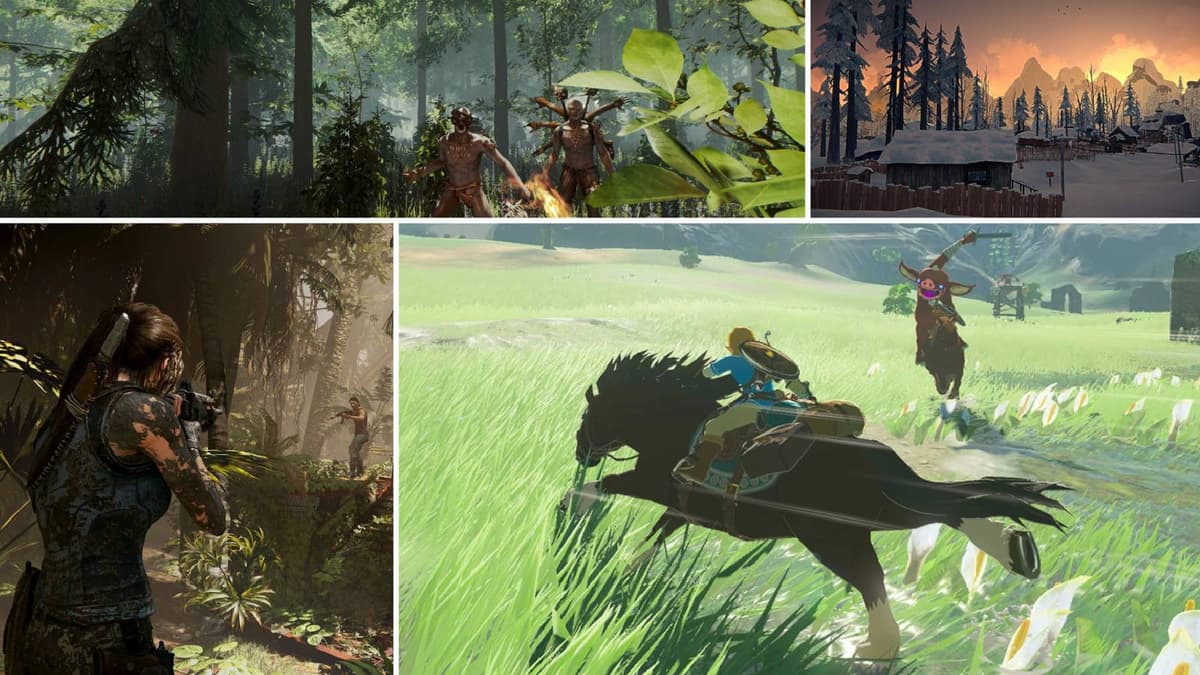
Games like The Forest, Red Dead Redemption 2, and The Long Dark illustrate how survival elements can be woven into distinct genres—from horror to western action—without sacrificing the sense of wonder that defines open worlds. Developers employ mechanics such as hunger meters, dynamic predator AI, and realistic climate models to turn every trek into a risk‑reward calculation. The result is a more engaging loop: players explore to find supplies, which in turn enables deeper exploration, creating a virtuous cycle that fuels word‑of‑mouth promotion and community‑driven content creation.
For publishers, the survival‑exploration hybrid offers lucrative monetization avenues. Live‑service updates can introduce new biomes, weather events, or cooperative challenges that keep the player base active long after launch. Moreover, the technical demands of realistic survival systems push hardware sales, especially on next‑gen consoles and high‑end PCs. As the genre matures, we can expect tighter integration of AI‑driven ecosystems, cross‑platform co‑op, and adaptive difficulty, positioning survival‑centric open worlds as a cornerstone of future game pipelines.
10 Games That Make Exploration Feel More Like Survival Than Adventure
Comments
Want to join the conversation?
Loading comments...