Companies Mentioned

Why It Matters
The highlighted games demonstrate how horror designers leverage unpredictable challenges to boost player engagement and critical acclaim, influencing broader game design trends.
Key Takeaways
- •The Mortuary Assistant blends indie simulation with demonic interruptions.
- •Silent Hill 2 remake earns 'Mighty' rating on OpenCritic.
- •Resident Evil Requiem introduces GOTY‑level escalation for 2026.
- •Alien: Isolation's adaptive AI keeps tension high across platforms.
- •Doki Doki Literature Club subverts visual novel tropes into psychological horror.
Pulse Analysis
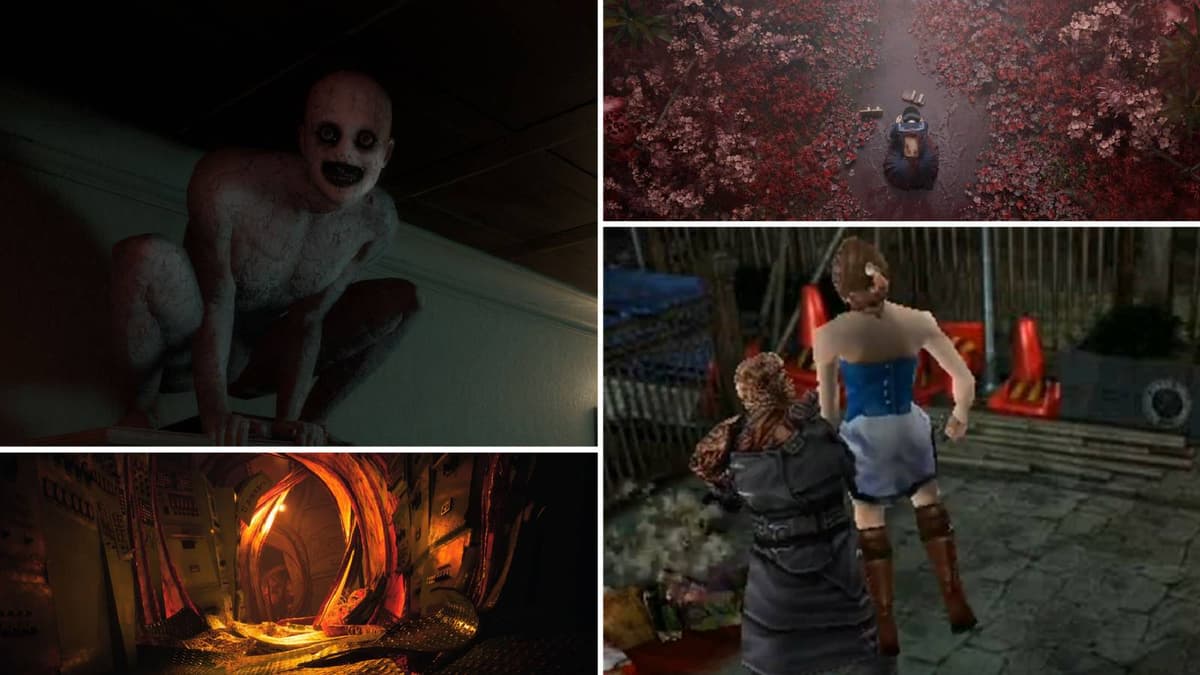
Murphy’s Law has become a design shorthand for horror developers seeking to keep players on edge. By deliberately inserting cascading failures—whether demonic interference in The Mortuary Assistant or relentless AI adaptation in Alien: Isolation—studios turn ordinary obstacles into narrative catalysts. This approach not only heightens fear but also creates memorable moments that linger after the console is turned off, reinforcing the genre’s reputation for psychological intensity.
The list showcases a spectrum from indie experiments to blockbuster franchises, each earning strong OpenCritic ratings that signal market approval. Titles like Silent Hill 2’s 2024 remake and Resident Evil Requiem have leveraged modern engines such as Unreal Engine 5 to deliver polished, high‑stakes experiences across next‑gen consoles and PC. Meanwhile, smaller projects like Doki Doki Literature Club prove that a clever subversion of genre expectations can achieve "Mighty" acclaim without a massive budget, illustrating the commercial viability of innovative horror mechanics.
Looking ahead, the industry is likely to double down on unpredictable design elements as player fatigue with linear scares grows. Developers are experimenting with procedural threats, dynamic storytelling, and cross‑platform releases to ensure that every playthrough feels fresh and fraught with potential disaster. As streaming and esports bring horror games to broader audiences, the ability to surprise and unsettle will remain a key differentiator, cementing Murphy’s Law as an enduring pillar of horror game design.
10 Horror Games Where Everything Goes Wrong
Comments
Want to join the conversation?
Loading comments...