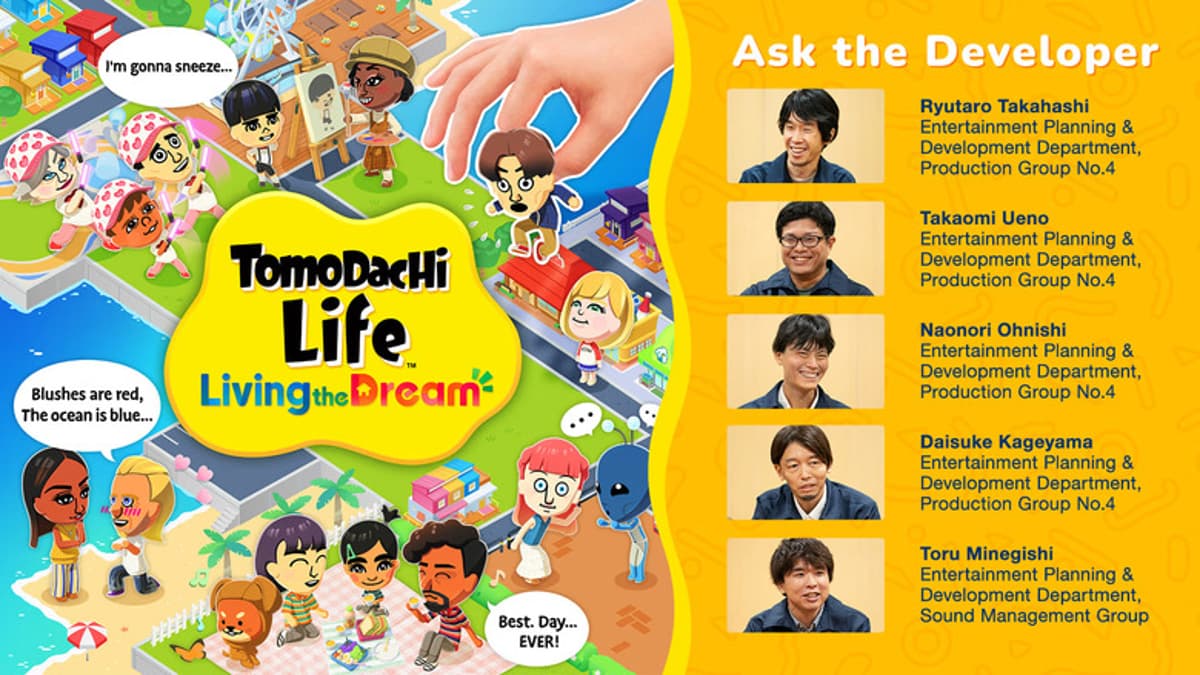
7 Years of Development, a Focus on User-Generated Content and a Huge Debate About Farts: Nintendo Details Tomodachi Life: Living the Dream's Creation
Companies Mentioned
Why It Matters
The release revitalizes Nintendo’s portfolio with a socially driven, user‑generated experience that taps into the growing demand for personalization, potentially boosting Switch ecosystem engagement and long‑term franchise revenue.
Key Takeaways
- •Development spanned 7 years, starting 2017, launching 2026
- •Switch’s power enabled richer Mii environments versus 3DS limits
- •New customization tools let players tweak facial features, colors, and quirks
- •Optional “fart” quirk added after internal debate, highlighting playful brand tone
- •Mii News retained after younger dev championed its importance for franchise identity
Pulse Analysis
Nintendo’s seven‑year odyssey to bring Tomodachi Life back to the Switch showcases a deliberate balance between technical ambition and brand fidelity. Early constraints on the 3DS forced the original game to limit Mii interactions, but the Switch’s upgraded CPU and GPU unlocked a more expansive island where characters can roam freely. Rather than overhaul the iconic Mii silhouette, developers opted for subtle anime‑inspired refinements, preserving the avatars’ recognisable features while adding a new text‑to‑speech engine that intentionally sounds robotic. Even seemingly trivial decisions, such as whether to include a fart quirk, underwent rigorous debate, highlighting Nintendo’s meticulous attention to tone and player perception.
User‑generated content sits at the heart of Living the Dream, offering unprecedented customization. Players can adjust eyelash length, skin tone, mouth angles, and even paint faces, while new “little quirks” let them assign unique habits or sounds to each Mii. The development team extended the toolset from an initial 18‑month target to a six‑to‑seven‑year effort, ensuring the system balances creative chaos with functional stability. Playtests with families revealed divergent preferences—some children ignored romance, others immersed themselves in love‑story arcs—prompting Nintendo to provide both template‑based and free‑form creation paths. This flexibility positions the game as a sandbox for personal expression, aligning with broader industry trends toward player‑driven content.
Strategically, Tomodachi Life: Living the Dream reinforces Nintendo’s ecosystem by delivering a title that encourages repeated play and social sharing, key drivers of Switch hardware sales. The inclusion of region‑agnostic food items and a realistic in‑game currency avoids alienating global audiences, while the retention of Mii News after internal advocacy preserves the franchise’s unique identity. As the gaming market leans toward live‑service models, Nintendo’s emphasis on emergent, unscripted interactions offers a low‑maintenance way to sustain engagement without the overhead of continuous content drops. The sequel’s launch could therefore act as a catalyst for renewed interest in the Tomodachi brand, opening avenues for merchandise, DLC, and cross‑title integrations that extend revenue beyond the initial purchase.
7 years of development, a focus on user-generated content and a huge debate about farts: Nintendo details Tomodachi Life: Living the Dream's creation
Comments
Want to join the conversation?
Loading comments...