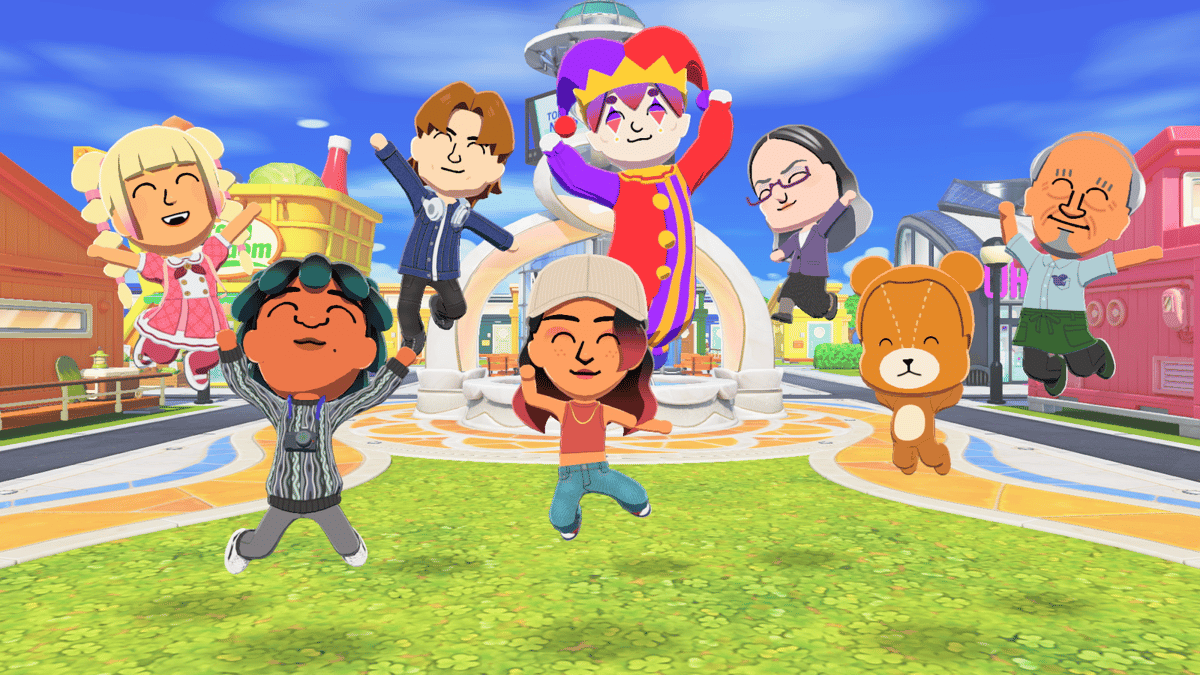
Animal Crossing: New Horizons Vs. Tomodachi Life: Living the Dream, the Comparison We Had to Make
Companies Mentioned
Why It Matters
Tomodachi Life’s lighter structure could broaden Nintendo’s life‑sim audience and reduce churn, signaling a shift toward more flexible gaming experiences. The contrast highlights how design choices impact long‑term player retention in the sandbox genre.
Key Takeaways
- •Tomodachi Life offers instant play sessions, reducing burnout risk
- •Animal Crossing's real‑time grind leads to player fatigue over weeks
- •Tomodachi Life lets players design residents, items, and buildings freely
- •New reset feature in Animal Crossing failed to revive engagement
- •Both games share sandbox mechanics but differ in player oversight
Pulse Analysis
The life‑simulation sandbox surged during the COVID‑19 pandemic, with Animal Crossing: New Horizons becoming a cultural touchstone. Its real‑time clock and daily tasks created a compelling routine, but the same mechanics now generate fatigue as players lose progress during breaks. This pattern illustrates a broader industry challenge: balancing immersive persistence with accessibility, especially as gamers seek experiences that fit fragmented schedules.
Tomodachi Life: Living the Dream addresses that tension by positioning the player as an island overseer rather than a participant. Full customization of residents, items, and structures, combined with short, observation‑focused sessions, lets users enjoy the genre in five‑minute bursts. The design eliminates the anxiety of lost currency or missed events, offering a TikTok‑like snackability that resonates with modern attention spans while preserving the charm of sandbox interaction.
For Nintendo, the divergent reception underscores the need to diversify its portfolio. While ACNH remains a revenue engine, Tomodachi Life’s approach may attract casual players who previously abandoned daily‑grind titles. This could inform future releases, prompting hybrid models that blend persistent worlds with low‑commitment play loops. As the market leans toward flexible, user‑generated content, Nintendo’s ability to adapt could determine its relevance in the evolving life‑sim landscape.
Animal Crossing: New Horizons vs. Tomodachi Life: Living the Dream, the comparison we had to make
Comments
Want to join the conversation?
Loading comments...